Custom Outdoor Kitchen Cost with Granite Countertops USA
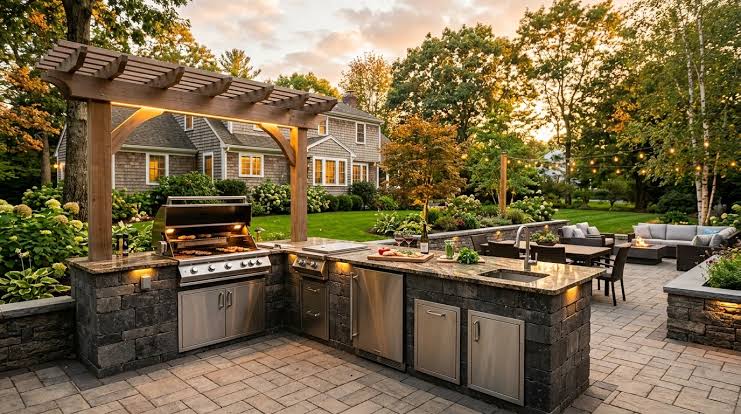
An outdoor kitchen serves as an architectural and functional centerpiece for backyard living, combining open-air cooking with dedicated dining and entertainment space. Installing granite countertops within a custom structure provides a durable, heat-resistant, and weather-tolerant surface that elevates both the utility and visual appeal of the installation. However, because these projects involve custom masonry, specialized stone fabrication, utility connections, and premium appliances, financial requirements vary significantly depending on scope and regional labor rates.
Evaluating a Custom outdoor kitchen cost with granite countertops USA project requires analyzing material selection, substructure framing, appliance integration, and site preparation. Total investments across the United States generally range from $12,000 for compact, straight-island configurations to over $50,000 for expansive, fully equipped culinary suites. This guide outlines the structural approaches, budgeting frameworks, practical scenarios, and long-term maintenance protocols necessary to plan and execute a successful outdoor kitchen build.
Overview of Custom Outdoor Kitchen Cost with Granite Countertops USA
Understanding the total Custom outdoor kitchen cost with granite countertops USA landscape involves examining both the structural foundation and the finished stone surface. Granite remains one of the most recommended natural stone materials for exterior applications due to its high density, scratch resistance, and ability to withstand high temperatures from nearby grills. Unlike synthetic quartz or indoor laminates, natural granite resists UV degradation when properly sealed, making it ideal for sun-exposed environments across diverse American climate zones.
The overall expense of a custom outdoor kitchen is driven by three main factors: structural framework materials, appliance tiers, and stone slab selection. A basic straight island (8 to 10 linear feet) typically costs between $320 and $670 per linear foot for framing and cladding, while granite slabs add $50 to $150 per square foot installed, depending on stone rarity and edge profiling. When factoring in professional plumbing, electrical runs, gas lines, and high-grade stainless steel appliances, mid-range to high-end builds represent a significant capital investment that enhances long-term property utility and market value.
Key Design Categories and Build Approaches
When evaluating a Custom outdoor kitchen cost with granite countertops USA initiative, selecting the right layout category dictates framing complexity, utility routing, and square footage requirements for granite fabrication.
| Category / Type | Description | Common Use Case | Time / Cost / Effort Level |
| Straight Grill Island (8–10 ft) | Single-linear cabinet run housing a built-in grill, access doors, and modest granite prep space. | Small patios, townhomes, or budget-conscious backyards. |
Cost: $10,000 – $18,000
Time: 1–2 weeks
Effort: Moderate |
| L-Shaped Kitchen Layout | Two perpendicular runs creating distinct cooking and prep or seating zones. | Medium suburban yards requiring separate food prep and serving areas. |
Cost: $18,000 – $32,000
Time: 2–4 weeks
Effort: High |
| U-Shaped Executive Suite | Three-sided enclosure providing maximum counter space, bar seating, and multiple appliances. | Large properties, frequent entertaining, and comprehensive outdoor cooking. |
Cost: $32,000 – $60,000+
Time: 4–6 weeks
Effort: Very High |
| Split-Level Bar & Kitchen | Two-tiered layout featuring a standard 36-inch cooking counter and a raised 42-inch bar top. | Hiding prep clutter while creating an elevated social seating area. |
Cost: $22,000 – $42,000
Time: 3–5 weeks
Effort: High |
| Modular Metal Framework Build | Pre-engineered galvanized steel or aluminum frame modules clad with cement board and custom stone. | Sites requiring precise off-site engineering or lighter weight loads. |
Cost: $14,000 – $28,000
Time: 1–3 weeks
Effort: Moderate |
Choosing Between Categories
Selecting among these layout options requires balancing backyard footprint size, entertaining frequency, and financial limits. Straight islands suit properties where space is limited and primary usage revolves around basic grilling. L-shaped and U-shaped designs provide the surface area required to incorporate sinks, under-counter refrigeration, trash drawers, and dedicated prep stations, but they demand larger reinforced concrete pads and extended utility runs. Split-level builds offer social benefits by separating active cooking zones from guest seating, though stacked granite backsplashes and double-edge stone profiling increase fabrication costs.
Practical Scenarios and Applications
Scenario 1: Straight Patio Grill Island with Flamed Black Granite
-
Context: A homeowner in Texas installs a 9-linear-foot straight outdoor kitchen island over an existing concrete patio slab.
-
Component List:
-
20-gauge steel stud framing with 1/2-inch cement backer board
-
Manufactured stone veneer exterior cladding
-
36-inch built-in propane gas grill with double access doors
-
Flamed (textured) black granite countertop (25 sq. ft. at $65/sq. ft. installed)
-
Dedicated 20-amp GFCI electrical circuit for task lighting
-
-
Relevance: Demonstrates an entry-level custom build that minimizes plumbing expenses by omitting a sink while utilizing a heat-resistant, slip-textured dark granite slab suitable for full sun exposure.
Scenario 2: L-Shaped Family Entertainment Station with Leathered Granite
-
Context: A suburban residence in Ohio constructs an L-shaped outdoor kitchen (12 ft x 8 ft) featuring a prep sink and under-counter refrigerator.
-
Component List:
-
Concrete Masonry Unit (CMU) block construction with natural stone veneer
-
32-inch natural gas grill, drop-in side burner, and outdoor-rated refrigerator
-
Undermount stainless steel sink connected to home cold-water line and dry well drainage
-
Leathered (honed) brown granite countertop with bullnose edge (45 sq. ft. at $85/sq. ft. installed)
-
-
Relevance: Represents a mid-range family setup where natural gas plumbing and water lines are integrated into a durable masonry structure protected by a non-reflective, low-sheen granite finish.
Scenario 3: U-Shaped Executive Outdoor Suite with Polished Exotic Granite
-
Context: A luxury property in California builds a 40-linear-foot U-shaped kitchen with an integrated bar top under a cedar pavilion.
-
Component List:
-
Reinforced 6-inch concrete foundation pad with rebar grid
-
Stucco-finished concrete frame with custom tile accents
-
42-inch premium gas grill, smoker cabinet, ice chest, dual side burners, and outdoor dishwasher
-
Rare exotic blue-veined polished granite with mitered 2-inch waterfall edges (90 sq. ft. at $135/sq. ft. installed)
-
Multi-zone electrical sub-panel, LED undermount channel lighting, and dedicated hot/cold plumbing
-
-
Relevance: Illustrates an executive-level outdoor installation where complex stone fabrication, waterfall edges, and full utility connections function as a primary living space.
Comparison of Scenarios
Scenario 1 focuses on cost efficiency by utilizing lightweight steel framing and avoiding wet plumbing runs, making it accessible for standard patio upgrades. Scenario 2 provides a balanced culinary environment with dedicated water and gas lines, using block construction to support heavier leathered granite slabs. Scenario 3 represents a permanent architectural addition requiring civil excavation, dedicated utility sub-panels, and specialized stone fabrication techniques.
Planning, Cost, and Resource Considerations
Executing a custom outdoor kitchen project requires accounting for site preparation, structural framing, stone fabrication, appliance procurement, and utility installations. Labor costs across the United States account for approximately 40% to 50% of the total project invoice, influenced by local trade rates and permit requirements.
Sample Project Budget Model (Mid-Range L-Shaped Kitchen, US Averages)
| Category | Estimated Cost (USD) | Explanation | Optimization Tips |
| Site Prep & Slab | $1,500 – $3,500 | Excavation and pouring a 4-to-6-inch reinforced concrete pad. | Pour slab during larger backyard paving projects to lower mobilization fees. |
| Framing & Sheathing | $2,500 – $5,500 | Steel stud framing or CMU block with cement backer board. | Steel stud framing installs faster and lowers structural labor hours. |
| Cladding & Finishing | $2,000 – $5,000 | Manufactured stone veneer, brick, or stucco exterior finish. | Stucco provides a smooth modern finish at a lower cost than natural stacked stone. |
| Granite Countertops | $2,800 – $6,000 | 40 sq. ft. of Level 2/3 outdoor granite ($70–$150/sq. ft. installed). | Choose pre-cut slab remnants or simple eased edges to minimize fabrication fees. |
| Grill & Appliances | $4,500 – $10,000 | 32″ stainless gas grill, side burner, door access, and fridge. | Purchase appliance packages from a single manufacturer for bundle discounts. |
| Utility Installation | $1,800 – $4,500 | Licensed trade work for natural gas, 20A electrical, and plumbing. | Position kitchen close to house utility hookups to shorten trench runs. |
| Permits & Design | $500 – $1,500 | Municipal building, electrical, and gas permits plus site plans. | Secure permits early to avoid costly mid-construction work stop orders. |
| Estimated Total | $15,600 – $35,500 | National average turnkey project cost range for mid-sized custom builds. | Figures are estimates; local labor and material rates will cause variations. |
A thorough financial assessment should incorporate the overall Custom outdoor kitchen cost with granite countertops USA factors, ensuring that structural engineering and utility infrastructure are fully funded before final appliance and stone selections are made.
Installation Strategies, Fabrication Methods, and Professional Support
Selecting appropriate fabrication techniques, framing methods, and trade support networks directly impacts the structural life and finish quality of the outdoor kitchen.
1. Granite Surface Finish Selection (Polished vs. Honed vs. Flamed)
-
Description: Selecting the surface texture of the granite slab during factory fabrication.
-
Performance Analysis:
-
Polished Granite: Smooth, reflective finish that highlights stone veining and resists liquid staining. Can become hot under direct summer sun and shows minor surface scratches over time.
-
Honed / Leathered Granite: Matte or textured finish that hides water spots, fingerprints, and minor scratches while offering a softer, organic aesthetic.
-
Flamed / Bush-Hammered Granite: Rough, highly textured surface created by high-temperature thermal treatment. Excellent slip resistance for bar tops, though porous textures require thorough sealing.
-
2. Steel Stud vs. Concrete Masonry Unit (CMU) Framing
-
Description: Choosing the primary load-bearing substructure for the kitchen island.
-
Advantages & Disadvantages:
-
Steel Studs (20-Gauge Galvanized): Lightweight, easy to level, and rapid to construct; requires cement board sheathing and insulating jackets around hot appliances.
-
CMU Block: Exceptional structural mass, fireproof, and rot-proof; requires heavy concrete footings and higher labor effort to lay block level.
-
3. Slab Templating and Undermount Cutout Fabrication
-
Description: Digital laser measuring of the constructed frame before cutting granite slabs in a stone shop.
-
Advantages: Ensures exact alignment around grill hoods, undermount sinks, and drop-in side burners; prevents field-cutting dust and slab cracking on site.
-
Disadvantages: Adds 1 to 2 weeks to lead times while waiting for shop fabrication after framing is complete.
4. Licensed Utility Trade Integration
-
Description: Hiring certified plumbers and electricians to install dedicated gas lines, GFCI outlets, and water hookups.
-
Advantages: Guarantees compliance with the National Electrical Code (NEC) and National Fuel Gas Code; essential for home insurance coverage and permit sign-offs.
-
Disadvantages: Increases overall soft costs by $1,500 to $4,500 depending on trench distances.
Safety Regulations, Material Risks, and Structural Challenges
Outdoor kitchens combine intense heat sources, electrical connections, water lines, and heavy stone slabs, requiring strict adherence to safety standards.
1. Thermal Shock and Granite Cracking near Grills
-
Issue: Placing high-heat built-in grills directly against granite slabs without adequate clearance or insulating jackets.
-
Why It Happens: Rapid thermal expansion causes natural fissures in granite to propagate, leading to stress cracks near cutout corners.
-
Mitigation: Install double-walled stainless steel insulating jackets around built-in grills and maintain 1/4-inch expansion gaps filled with high-temp outdoor silicone.
2. Gas Accumulation and Inadequate Frame Ventilation
-
Issue: Trapping heavy propane or lighter natural gas fumes inside hollow island frames.
-
Why It Happens: Leaking gas settles at the bottom of unvented cabinet voids, creating a severe explosion hazard when grill igniters strike.
-
Mitigation: Install cross-ventilation louvers on opposite sides of the frame (low vents for heavier-than-air propane; high vents for natural gas).
3. Countertop Sagging and Inadequate Substructure Support
-
Issue: Granite slabs cracking or joint seams opening over time.
-
Why It Happens: Heavy 3cm (1.25-inch) granite slabs span wider than 24 inches without interior vertical support studs or steel support tubes.
-
Mitigation: Add vertical 20-gauge steel studs or 2×2-inch steel tubing beneath spans exceeding 24 inches and support overhangs over 10 inches with heavy-duty brackets.
4. Electrical Ground Fault Hazards in Exposed Environments
-
Issue: Electrical short circuits or shock risks caused by rain or irrigation moisture.
-
Why It Happens: Outlets or appliance plugs installed without weather-rated boxes or GFCI protection.
-
Mitigation: Connect all exterior outlets and appliances to dedicated GFCI circuit breakers equipped with in-use weatherproof covers.
Maintenance Protocols and Long-Term Management
Maintaining the integrity of granite countertops and underlying structures in an outdoor environment requires routine care adjusted for regional weather conditions.
-
Quarterly Surface Cleaning: Wash granite countertops with warm water, mild dish soap, and a soft microfiber cloth. Avoid acidic cleaners, vinegar, bleach, or harsh scouring pads that break down stone sealers or scratch polished finishes.
-
Bi-Annual Solvent Sealing: Apply a high-quality, breathable penetrating fluoropolymer sealer every 6 to 12 months. Outdoor granite is exposed to rain, UV rays, and grease; sealing prevents cooking oils and leaf tannins from penetrating stone pores.
-
Winterization (Autumn / Freezing Climates): Shut off water supply lines leading to outdoor sinks and ice makers. Drain lines completely and blow them out with compressed air to prevent pipe bursts. Disconnect propane tanks or shut off natural gas valves, and apply breathable canvas covers over stainless steel appliances.
-
Expansion Joint Inspection: Inspect silicone sealant beads where granite slabs meet stainless steel appliance flanges or vertical masonry backsplashes. Re-apply exterior-grade 100% silicone if seals dry out or separate.
Project Documentation and Outcome Tracking
Archiving construction documents, trade permits, and stone care guides protects the homeowner’s investment and simplifies future maintenance or property transactions.
Practical Documentation Examples
Example 1: Property Valuation and Insurance Verification
A homeowner constructs a $28,000 custom L-shaped outdoor kitchen with leathered granite countertops. They compile the contractor’s itemized invoices, approved municipal building permits, and appliance receipts into a digital record file. Upon completion, this documentation is submitted to the property insurance carrier to adjust home coverage limits and verify that all work was executed by licensed trades.
Example 2: Granite Sealer and Care Tracking
A property manager maintains a commercial clubhouse outdoor kitchen. They log biannual granite sealing dates, sealer product numbers, and stone fabricator details in a maintenance binder. When an oil stain occurs near the grill area three years post-installation, referring to the documentation allows staff to contact the original stone fabricator for the recommended poultice stain-removal protocol.
Closing Summary
Planning a Custom outdoor kitchen cost with granite countertops USA project involves balancing structural framing choices, appliance tiers, and professional stone fabrication against long-term outdoor living goals. Nationwide project costs range from $10,000 to $18,000 for basic straight grill islands up to $32,000 to $65,000+ for expansive, fully equipped U-shaped culinary suites. By selecting weather-resistant granite finishes, utilizing proper substructure framing with insulating jackets, integrating licensed utility trades, and maintaining routine sealer applications, homeowners establish a functional outdoor entertainment space that adds long-term value to the property.
Frequently Asked Questions (FAQ)
How much does a custom outdoor kitchen with granite countertops cost on average in the USA?
On average, homeowners spend between $15,000 and $30,000 on a custom outdoor kitchen with granite countertops in the USA. Small, basic island setups can start around $10,000, while large luxury kitchens with multiple appliances, bar seating, and exotic granite can exceed $50,000 to $75,000+.
Is granite a good choice for outdoor kitchen countertops?
Yes, granite is considered one of the best materials for outdoor countertops. It is highly heat-resistant, scratch-resistant, and durable against weather extremes. When properly sealed with a penetrating sealer, natural granite resists UV fading, moisture penetration, and grease staining.
How much do granite countertops cost per square foot installed for outdoor kitchens?
Granite countertops for outdoor kitchens typically cost between $50 and $150 per square foot installed. This price includes the raw granite slab ($30 to $80/sq. ft.) plus shop fabrication, sink/grill cutouts, edge profiling, and site installation labor ($40 to $80/sq. ft.).
Do outdoor granite countertops need to be sealed?
Yes. Outdoor granite countertops should be sealed with a high-quality, breathable penetrating sealer every 6 to 12 months. Because outdoor stone is exposed to rain, UV rays, grease, and leaf tannins, regular sealing prevents liquids from penetrating the stone pores and causing permanent stains.