Outdoor PVC Track Blinds Installation Cost NZ Guide
Outdoor PVC Track Blinds Installation Cost in New Zealand
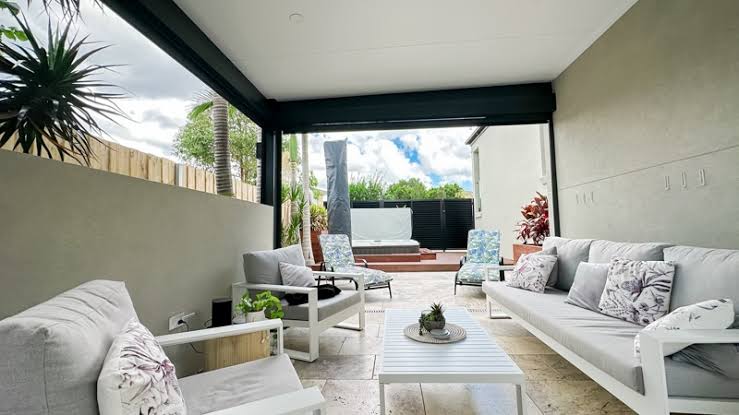
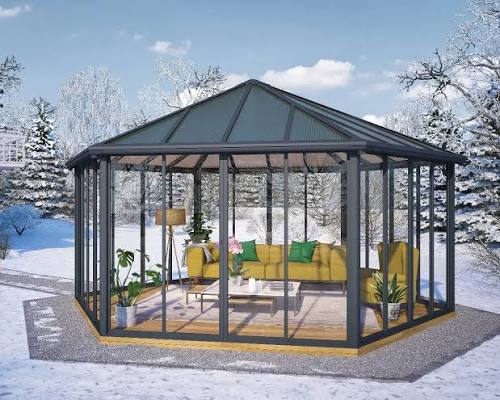
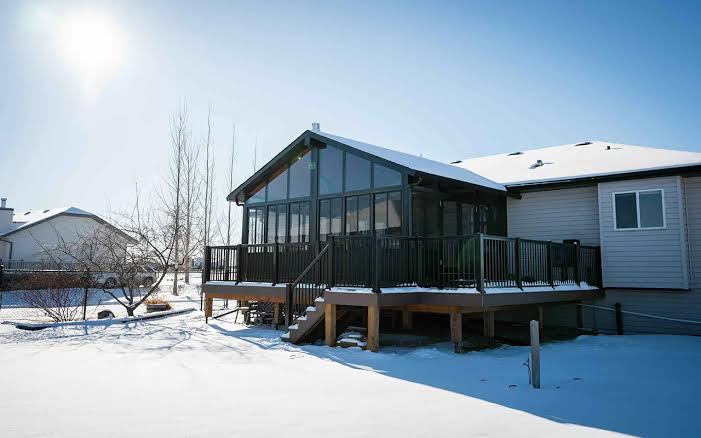
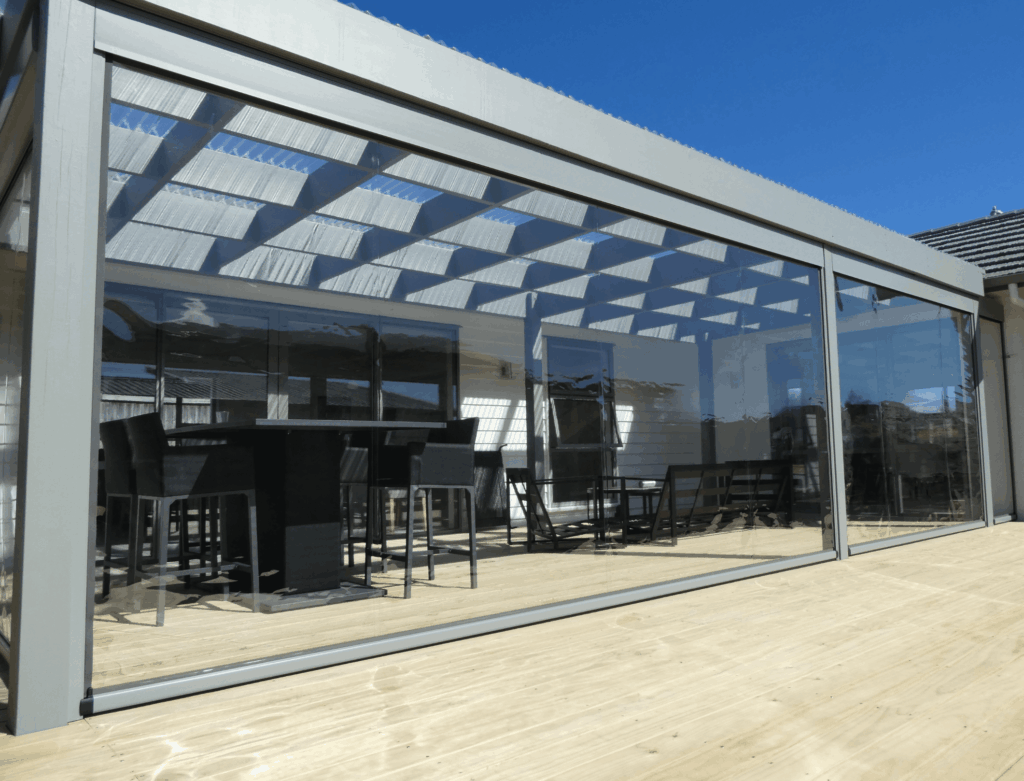
Outdoor living spaces are a central component of residential architecture across New Zealand, allowing homeowners to extend their dining, entertaining, and relaxation areas beyond the interior building envelope. Enclosing verandas, decks, and pergolas with track-guided outdoor blinds creates a sheltered environment capable of resisting coastal wind gusts, driving rain, and intense UV exposure while maintaining unobstructed exterior views.
Navigating the Outdoor PVC track blinds installation cost New Zealand property owners encounter involves evaluating several technical variables, including material grades, extruded aluminum track engineering, custom opening spans, site accessibility, and professional installation labor. This comprehensive guide provides an objective breakdown of system categories, pricing structures, practical installation scenarios, risk management practices, and long-term maintenance protocols to assist property owners in planning an outdoor enclosure project effectively.
Understanding Outdoor PVC Track Blinds Installation Cost New Zealand
Understanding the Outdoor PVC track blinds installation cost New Zealand landscape requires evaluating a engineered, custom-manufactured system rather than a simple fabric curtain. Track-guided outdoor blind assemblies consist of a top roller tube, side channel tracks, a weighted bottom rail, marine-grade clear or tinted PVC skin, and specialized mounting hardware. Unlike unanchored rope-and-pulley blinds that flap in mild breezes, track-guided systems utilize a continuous edge spline that locks inside extruded aluminum side channels. This design creates a weather-tight perimeter seal capable of withstanding wind gusts up to 100 km/h.
In the New Zealand market, fully installed custom track-guided clear PVC blinds generally range from $1,200 to $3,500+ NZD per opening (bay). The final price depends on the width and drop dimensions, PVC skin thickness (typically 0.75mm heavy-gauge marine PVC), aluminum powder-coating specifications, and whether the system is spring-balanced or motorized. Trade installation labor typically accounts for $100 to $300 NZD per blind, with additional electrical trades required if automated tubular motors are integrated.
                 TRACK-GUIDED PVC BLIND ASSEMBLY MATRIX

      [ Headbox / Pelmet ]     Powder-Coated T-5 Marine Aluminium Enclosure
      ==================== (Top Roller Tube & Spring/Motor) ====================
      [ Side Channels ]        Extruded Aluminium Tracks with Spline Locking
      --------------------------------------------------------------------------
      [ Clear PVC Skin ]       0.75mm Heavy-Gauge Marine PVC (UV-Stabilized)
      ..........................................................................
      [ Bottom Rail ]          Weighted Bar with Locking Pins & Flexible Dust Seal
      ~~~~~~~~~~~~~~~~~~~~~~~~~~~~~~~~~~~~~~~~~~~~~~~~~~~~~~~~~~~~~~~~~~~~~~~~~~
      [ Structure Mount ]      Solid Timber Posts, Steel Beams, or Concrete Masonry
Homeowners install track-guided PVC blinds to transform seasonal outdoor decks into multi-season living rooms. By trapping radiant warmth from outdoor heaters and blocking prevailing winter winds, clear PVC enclosures preserve natural daylight while providing weather defense. Small single-bay installations sit near baseline entry figures, whereas multi-bay projects spanning wide timber decks or louvre roof systems require larger structural tubes, headbox pelmets, and custom flashing, which elevates total capital expenditure.
Key Categories, Material Options, and System Types
When evaluating Outdoor PVC track blinds installation cost New Zealand estimates, product choices divide into distinct mechanical designs, fabric materials, and operation methods.
| Category / Type | System Description | Common Use Case | Time / Cost / Effort Level |
| DIY Off-the-Shelf PVC Blinds | Unframed clear PVC skins with strap or crank controls; fixed standard sizes. | Small, budget-conscious patio covers and temporary windbreaks. |
Cost: $130–$300 NZD per unit Installation: DIY / Low Effort: Manual strap adjustment |
| Manual Crank & Zipper PVC Blinds | Clear PVC panels with side zippers or straps operated via a removable hand crank. | Standard residential verandas needing rain defense on a budget. |
Cost: $600–$1,200 NZD per bay Installation: $150–$250 NZD Effort: Manual crank operation |
| Manual Spring-Balanced Track Blinds | Heavy 0.75mm PVC locked inside aluminum side tracks; weightless spring-glide action. | High-use residential decks, cafes, and coastal entertaining areas. |
Cost: $1,200–$2,800 NZD per bay Installation: $150–$300 NZD Effort: One-hand manual glide |
| Motorized Track-Guided PVC Blinds | Track-guided system powered by an internal 230V electric tubular motor with remote control. | Wide openings (over 4m–5m), high soffits, or luxury outdoor rooms. |
Cost: $2,200–$4,500+ NZD per bay Installation: $200–$350 NZD (+ Electrician) Effort: Push-button automation |
| Hybrid Track Systems (PVC + Mesh) | Track-guided system mixing clear PVC center/side bays with woven solar shade mesh bays. | Large verandas requiring wind/rain barriers on one side and UV shade on another. |
Cost: $1,500–$3,500 NZD per bay Installation: $180–$300 NZD Effort: Balanced weather & shade |
How to Choose Between Categories
Selecting an appropriate system depends on exposure to wind, site geometry, budget constraints, and desired operational convenience. Entry-level off-the-shelf blinds suit temporary applications, but their unanchored edges allow drafts and flap under wind loads. Manual spring-balanced track systems represent the standard for residential decks across New Zealand, offering gap-free weather sealing, smooth manual operation, and wind resistance without electrical wiring. Motorized systems excel over wide spans or high lintels where manual hand adjustment is difficult.
Practical Installation Scenarios
Scenario 1: Compact Coastal Deck Weather Enclosure (Auckland Plot / Single Bay)
-
Context: A residential home on Auckland’s North Shore enclosing a 3.2m wide x 2.4m drop deck opening to block coastal rain while preserving harbor views.
-
Component List:
-
One custom manual spring-balanced track-guided blind system (e.g., Ziptrak or FortiShade)
-
0.75mm marine-grade Japanese clear PVC skin with UV inhibitors
-
Powder-coated aluminum side tracks in Charcoal (matching house joinery)
-
Cast aluminum mounting brackets and bottom locking pins
-
-
Relevance: Demonstrates a single-bay installation on a timber frame. Because the opening requires no additional intermediate posts, installed costs remain predictable at $1,400 to $2,200 NZD complete.
Scenario 2: Three-Sided Suburban Veranda Enclosure (Wellington / Canterbury)
-
Context: A suburban property in Wellington enclosing a three-sided 18m² outdoor entertaining area against wind gusts and winter temperatures.
-
Component List:
-
Three custom manual track-guided clear PVC blinds (two 2.8m side bays, one 4.0m front bay)
-
Marine-grade T-5 aluminum headbox pelmets protecting top roller tubes
-
Heavy-duty bottom rails with flexible weather seal skirts
-
Stainless steel fixing hardware anchored into solid timber posts
-
-
Relevance: Illustrates a complete three-sided outdoor room enclosure. Managing three distinct bays requires precise track alignment across timber posts, bringing total supply and installation costs to $4,800 to $7,800 NZD.
Scenario 3: Motorized Luxury Louvre Roof Integration (Queenstown / Bay of Plenty)
-
Context: A high-end architectural home integrating automated track-guided blinds into an aluminum louvre roof pergola.
-
Component List:
-
Four motorized track-guided blinds with 0.75mm tinted PVC skins
-
Integrated 230V tubular motors wired to a multi-channel remote and smart home hub
-
Automated wind sensors that automatically retract blinds during extreme gales
-
Licensed electrician trade hookup for dedicated power supply
-
-
Relevance: Represents a high-end automated outdoor room. Integrating motorization, weather sensors, and certified electrical trades pushes project investments to $9,500 to $16,000+ NZD.
                 SCENARIO ENGINEERING & COST PROFILE

     Single Coastal Bay (3.2m x 2.4m)      3-Sided Veranda (18 m² / 3 Bays)     Motorized Louvre Suite (4 Bays)
   +---------------------------------+   +----------------------------------+   +----------------------------------+
   | Single Manual Spring Track      |   | Three Custom Track-Guided Bays   |   | Four Motorized Track Blinds      |
   | 0.75mm Marine Clear PVC Skin    |   | Aluminum Headbox Pelmets         |   | Automated Wind/Sun Sensors       |
   | Solid Timber Post Mounting      |   | Sealed Side Channels             |   | Certified Electrical Connection  |
   | $1,400 – $2,200 NZD Total       |   | $4,800 – $7,800 NZD Total        |   | $9,500 – $16,000+ NZD Total      |
   +---------------------------------+   +----------------------------------+   +----------------------------------+
Comparative Analysis of Scenarios
Scenario 1 delivers high value for simple single-span openings where manual spring operation provides quick weather defense. Scenario 2 highlights how multi-bay projects scale overall material and labor costs, converting an open deck into an all-weather room. Scenario 3 targets luxury architectural spaces where motorized drives and automated wind sensors protect high-value components.
Planning, Cost, and Resource Considerations
Evaluating the Outdoor PVC track blinds installation cost New Zealand equation requires separating base blind supply from pelmets, custom powder coating, motorization, and professional labor. Professional blind installers in New Zealand charge between $80 and $150 NZD per hour, or $100 to $300 NZD per blind for standard installations. If motorization is selected, registered electrician fees add $150 to $350 NZD per motor for power runs.
       TYPICAL INSTALLED COST RANGES PER BAY (NZD)

  Standard Manual Spring Track-Guided Clear PVC (2.5m - 3.5m wide)
  [Blind & Tracks $1,100-$1,800] + [Install $150-$250]   --->  $1,250 - $2,050 NZD Total

  Wide Span / Pelmet Enclosed Manual Track (3.5m - 5.0m wide)
  [Blind & Pelmet $1,800-$2,800] + [Install $200-$300]   --->  $2,000 - $3,100 NZD Total

  Motorized Track-Guided Clear PVC (With Electrical Hookup)
  [Blind & Motor $2,200-$3,800] + [Install & Trades $350-$600] ---> $2,550 - $4,400+ NZD Total
Sample Project Budget Model (3-Bay Outdoor Deck Enclosure, NZD Averages)
| Cost Category | Estimated Amount (NZD) | Explanation | Optimization Tips |
| Clear PVC Blind Skins (3 Bays) | $2,400 – $4,500 | 0.75mm marine-grade clear PVC skins with welded splines. | Group spans into wide single bays rather than multiple small bays. |
| Aluminum Tracks & Pelmets | $1,200 – $2,200 | Extruded side channels, bottom rails, and top pelmets. | Choose standard architectural powder-coat colors. |
| Motorization Hardware | $0 – $1,800 | Optional 230V electric tubular motors and remotes. | Use manual spring-balanced controls on accessible low bays. |
| Installation Labor | $450 – $900 | Professional mounting, track shimming, and tensioning. | Ensure posts are plumb and structurally sound prior to installer arrival. |
| Electrical Trade Fees | $0 – $600 | Certified electrician fees for hardwired motorized power. | Omit motorization if an exterior power point is not nearby. |
| Estimated Total Installed | $4,050 – $10,000 | National average turnkey project range (inc. GST). | Figures represent baseline national estimates and vary by region. |
Strategies, Hardware, and Installation Options
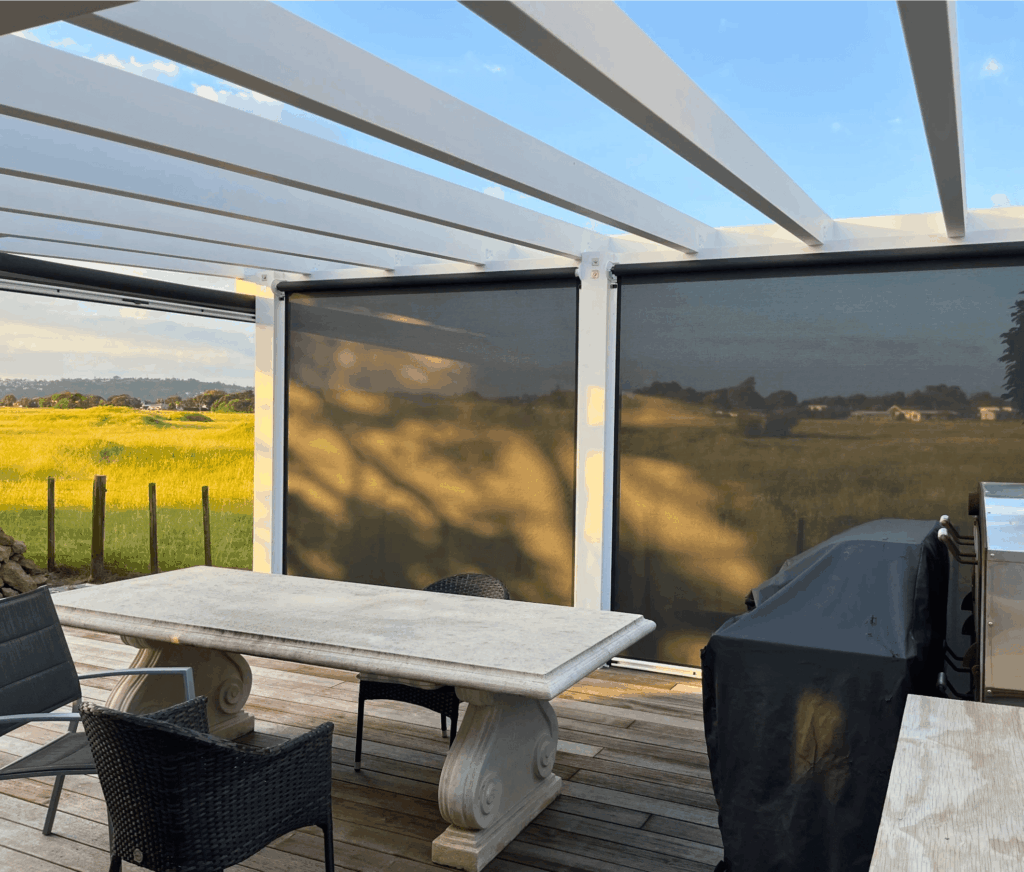
Selecting appropriate PVC skins, pelmet housings, and drive mechanics ensures outdoor track blinds withstand local environmental conditions.
1. 0.75mm Marine-Grade Japanese Clear PVC Skins
-
Description: Heavy-gauge, optical-grade flexible PVC engineered specifically for exterior marine and architectural applications.
-
Performance Impact: Provides optical transparency while resisting UV degradation, tearing, and wind pressure. High-quality Japanese PVC contains specialized plasticizers that prevent yellowing under intense Southern Hemisphere UV exposure.
2. Extruded Marine-Grade Aluminum Side Tracks (T-5 Alloy)
-
Description: Heavy-duty aluminum side channels fixed to supporting posts or walls, housing internal PVC spline guide tracks.
-
Advantages: Locks fabric edges continuously along the entire drop, eliminating edge gaps, drafts, and flap noise. Powder-coated aluminum resists coastal salt corrosion.
-
Disadvantages: Adds $300 to $600 per bay compared to unguided drop blinds.
                 PERIMETER TRACK MECHANICS

        Unguided Rope / Strap Blind             Track-Guided Spline System
      +-----------------------------+          +-----------------------------+
      | Unanchored Floating Edges   |          | Extruded Aluminium Tracks   |
      | Flaps & Rattles in Wind     |          | Welded Edge Spline Lock     |
      | Edge Drafts & Water Intrusion|         | 100 km/h Wind Rating        |
      | Lower Initial Cost          |          | Gap-Free Weather Seal       |
      +-----------------------------+          +-----------------------------+
3. Fully Enclosed Aluminum Headbox Pelmets
-
Description: A protective aluminum box surrounding the top roller tube and retracted PVC blind skin.
-
Advantages: Shields rolled-up clear PVC from direct sun, rain, and debris when retracted, extending skin life. Creates a clean, architectural finish matching house gutters.
-
Disadvantages: Increases material costs by $200 to $450 per bay.
4. Spring-Balanced Manual Glide Operation
-
Description: An internal counter-balance spring mechanism located inside the top roller tube.
-
Advantages: Allows the blind to be raised or lowered by hand to any height without ropes, cranks, or chains. Locks securely into bottom pins.
-
Disadvantages: Spring tension must be calibrated during installation to match the weight of the PVC skin.
Safety Factors, Environmental Risks, and Structural Challenges
Outdoor PVC track blinds are subjected to wind loads, temperature swings, and UV radiation. Improper installation or maintenance can lead to structural issues.
+------------------------------------------------------------------------+
|                    NEW ZEALAND ENVIRONMENTAL RISKS                     |
+------------------------------------------------------------------------+
| ISSUE / RISK       | ROOT CAUSE               | PREVENTION & MITIGATION|
+--------------------+--------------------------+------------------------+
| PVC Clouding &     | Using harsh chemicals or | Clean with fresh water |
| Permanent Haze     | abrasive window cleaners | and specialized mild   |
|                    | containing alcohol.      | PVC wash solutions.    |
+--------------------+--------------------------+------------------------+
| Winter Shrinkage   | Natural contraction of   | Operate blinds during  |
| & Stiffness        | flexible PVC skins under | warmer afternoon hours |
|                    | cold temperatures.       | to allow skin flex.    |
+--------------------+--------------------------+------------------------+
| Track Jamming &    | Timber posts warping or  | Shim side tracks to    |
| Fabric Wrinkling   | tracks mounted out of    | absolute plumb; check  |
|                    | vertical plumb.          | post structural drift. |
+--------------------+--------------------------+------------------------+
| Wet Roll-Up Mold   | Rolling up wet PVC skins | Allow blinds to dry    |
| & Water Stains     | into headboxes for       | completely before      |
|                    | extended periods.        | long-term storage.     |
+------------------------------------------------------------------------+
Managing Thermal Movement in Clear PVC
Clear PVC is a thermoplastic material that naturally expands in summer heat and contracts in cold winter weather. During cold southern winter conditions, clear PVC skins tighten significantly. Installers must leave precise operational tolerances in bottom locking channels to allow blind pins to engage smoothly during cold snaps without over-stretching the fabric.
Ongoing Maintenance and Long-Term Management
Proper maintenance preserves optical clarity, prevents track binding, and extends overall system service life.
                   OUTDOOR PVC BLIND CARE LIFECYCLE

  Installation     Monthly Wash          Bi-Annual Lubrication  Year 3 - 5
  [Tracks Set] -> [Fresh Water Hose-Down]-> [Dry Silicone Spray] -> [Spring Calibration]
       |                  |                    |                      |
  Check Plumb     Clear Dirt & Dust      Clean Track Channels   Adjust Spring Tension
  Set Lock Pins   Wipe with Soft Cloth   Inspect Bottom Seals   Check Motor Stop Limits
Recommended Maintenance Checklist
-
Monthly Cleaning: Hose down clear PVC skins with clean fresh water to remove dust, pollen, and airborne salt. Wipe down using a clean, soft microfiber cloth and a mild detergent solution. Never use glass cleaners, methylated spirits, or abrasive sponges, which strip UV coatings and cause permanent clouding.
-
Bi-Annual Track Maintenance: Vacuum dirt, leaves, and spider webs out of aluminum side channels. Spray inside the tracking channels with dry silicone lubricant spray. Avoid oil-based lubricants or grease, which attract dust and bind side splines.
-
Dry Storage Protocol: Avoid leaving clear PVC blinds rolled up tight inside headbox pelmets while wet. Trapped moisture leads to white water-staining and mold growth on edge tapes.
-
Sun Relaxation Routine: Lower clear PVC blinds fully during warm afternoon sun periodically to allow minor packing wrinkles and cold-weather tightness to relax naturally out of the film.
Project Documentation and Performance Records
Maintaining complete project records protects manufacturer warranties, assists with home insurance updates, and documents building improvements.
                 PROJECT DOCUMENTATION DOSSIER

  +-------------------------------------------------------------+
  |  1. Itemized Installer Quote & Final Tax Invoice            |
  |  2. PVC Fabric Material Data Sheet & UV Guarantee            |
  |  3. Track System Warranty Document (e.g., 5-10 Year Specs)   |
  |  4. Electrical Compliance Certificate (For Motorized Systems)|
  |  5. Manufacturer Maintenance & Cleaning Instruction Guide   |
  +-------------------------------------------------------------+
Practical Documentation Examples
Example 1: Warranty Claim File
A property owner installs three track-guided clear PVC blinds. Four years post-installation, a side track spline separates from the main PVC skin. The owner presents their archived documentation dossier specifying the installer tax invoice and 10-year fabric warranty. The installer replaces the blind skin under warranty without dispute.
Example 2: Home Resale Valuation Verification
A homeowner installs an $8,000 NZD multi-bay clear PVC track blind system enclosing a rear Kwila deck. They file tax invoices, warranty certificates, and maintenance guides in a home binder. When selling the property, the real estate agent presents this dossier to buyers, demonstrating a professionally installed, low-maintenance outdoor room that increases property marketability.
Closing Summary
Evaluating the Outdoor PVC track blinds installation cost New Zealand equation involves balancing initial material investments against long-term weather protection, usability, and outdoor comfort. Custom track-guided systems generally range from $1,200 to $3,500+ NZD per bay installed, governed by opening dimensions, 0.75mm marine PVC skin quality, aluminum powder-coating, and motorization options. By opting for marine-grade clear PVC, powder-coated aluminum pelmets, professional track installation, and regular dry silicone maintenance, New Zealand property owners establish a functional, all-weather outdoor living space built to perform across all seasons.
Frequently Asked Questions (FAQ)
How much do outdoor PVC track blinds cost in New Zealand?
In New Zealand, custom track-guided clear PVC blinds typically cost between $1,200 and $3,500+ NZD per bay installed. The total price depends on width and drop dimensions, pelmet options, aluminum powder-coating, and whether manual spring or motorized controls are selected.
Are track-guided PVC blinds better than standard rope-and-pulley blinds?
Yes. Track-guided blinds lock fabric edges continuously inside aluminum side tracks, creating an airtight, gap-free seal that resists wind gusts up to 100 km/h. Standard rope-and-pulley blinds have unanchored edges that flap in mild winds, allowing drafts and rain to enter.
How long do clear PVC track blinds last in New Zealand weather?
High-quality 0.75mm marine-grade clear PVC track blinds typically last 8 to 15 years in New Zealand climates. Using UV-stabilized PVC films, powder-coated aluminum channels, and washing with fresh water extends overall service life.
Can clear PVC track blinds be motorized?
Yes. Track-guided blinds can be fitted with internal 230V electric tubular motors operated via handheld remotes, wall switches, or automated wind sensors. Motorization adds approximately $500 to $1,200 NZD per blind plus electrician installation fees.