Pour in Place Rubber Safety Surfacing Cost Backyard NZ Guide
Pour in Place Rubber Safety Surfacing Cost for Backyard NZ
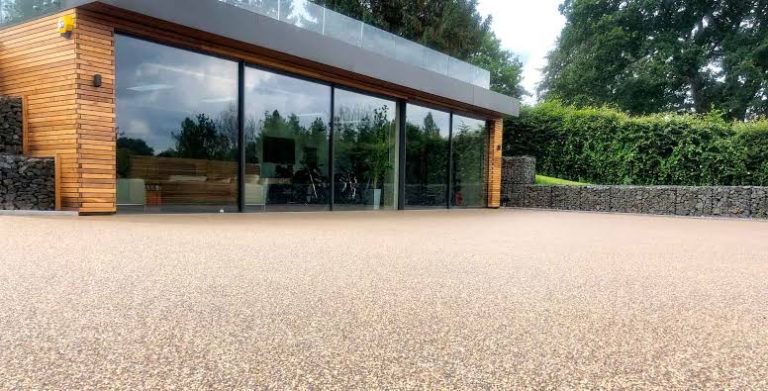
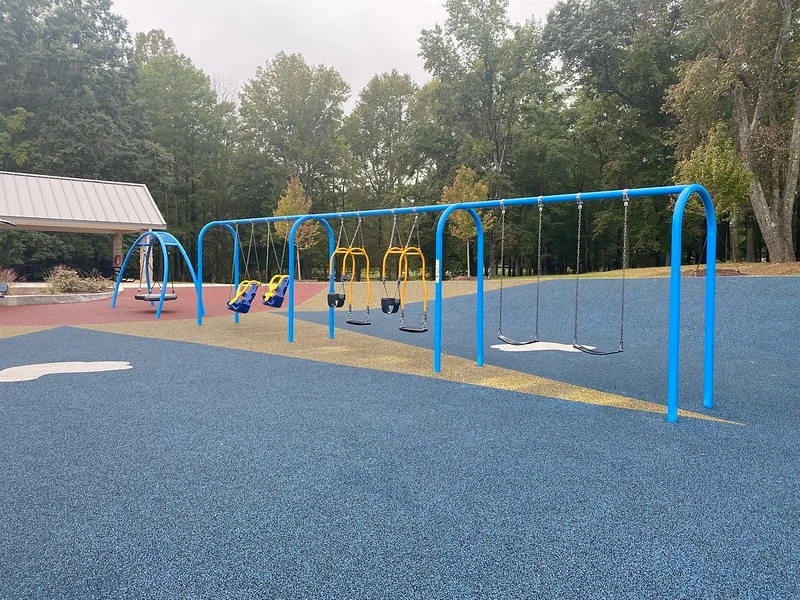
Creating a safe, resilient outdoor play area is a primary consideration for New Zealand homeowners installing playground equipment, trampoline surrounds, or splash zones. Pour in place rubber safety surfacing—commonly referred to as wet pour rubber—is a seamless, dual-layer impact-absorbing surface formulated from rubber granules and polyurethane binders. Unlike loose-fill materials such as wood chips or bark, pour in place rubber remains fixed in place, accommodates direct wheelchair rollability, and provides reliable fall protection tailored to specific drop heights.
When estimating the Pour in place rubber safety surfacing cost for backyard NZ residential installations, property owners must consider material depths, site preparation, resin binders, and installer labor. Across New Zealand, fully installed costs typically range from $180 to $350+ NZD per square meter (m²), depending on whether the application requires basic black SBR granules or high-grade colored EPDM rubber. This comprehensive guide breaks down system mechanics, cost factors, regional considerations, practical installation scenarios, and long-term care practices to help homeowners plan effectively.
Overview of Pour in Place Rubber Safety Surfacing Cost for Backyard NZ
Evaluating the Pour in place rubber safety surfacing cost for backyard NZ projects requires an understanding of how wet pour systems are engineered. Pour in place rubber is not a pre-manufactured mat; rather, it is a custom two-layer surface mixed on site and troweled flat by hand or mechanical power trowel over a stable sub-base. The bottom impact-attenuation layer consists of coarse recycled Styrene-Butadiene Rubber (SBR) mixed with a polyurethane binder. The thickness of this shock-absorbing base layer is dictated by the Critical Fall Height (CFH) of the surrounding play equipment under New Zealand Safety Standards (NZS 5828).
              POUR IN PLACE RUBBER CROSS-SECTION ASSEMBLY

      [ Wear Layer ]       10mm - 15mm Virgin EPDM or Coloured SBR Granules
      === (Polyurethane) == Mixed with Aliphatic or Aromatic Polyurethane Binder
      [ Impact Layer ]     15mm - 100mm+ Recycled SBR Cushioning Granules
      --------------------------------------------------------------------------
      [ Sub-Base Layer ]   75mm - 100mm Compacted GAP20 Aggregate / Concrete
      ~~~~~~~~~~~~~~~~~~~~~~~~~~~~~~~~~~~~~~~~~~~~~~~~~~~~~~~~~~~~~~~~~~~~~~~~~~
      [ Filter Layer ]     Non-Woven Geotextile Membrane
      ~~~~~~~~~~~~~~~~~~~~~~~~~~~~~~~~~~~~~~~~~~~~~~~~~~~~~~~~~~~~~~~~~~~~~~~~~~
      [ Native Subgrade ]  Excavated & Compacted Native Soil (1:100 Slope)
The top surface—known as the wear layer—is typically 10mm to 15mm thick and consists of vibrant Ethylene Propylene Diene Monomer (EPDM) granules or pigmented SBR granules bound with clear or amber polyurethane resins. In New Zealand’s high-UV climate, choosing appropriate UV-stable binders (aliphatic resins) and premium EPDM rubber ensures that colors do not amber, fade, or harden prematurely under harsh sunlight. While wet pour rubber carries a higher initial capital expenditure than bark or timber mulch, its 10- to 15-year operational lifespan and minimal annual upkeep make it a predictable long-term investment.
Key Product Categories & Material Systems
When assessing Pour in place rubber safety surfacing cost for backyard NZ quotes, homeowners can choose between different granule materials, binder chemistries, and installation methods.
| Category / Type | Material Description | Common Use Case | Relative Cost & Labor Level |
| Standard Black SBR System | Recycled tire rubber granules bound with aromatic polyurethane binder; black finish. | Budget-conscious play pads, fitness zones, and simple trampoline surrounds. |
Cost: $150–$200 NZD / m² Labor: Moderate (fast trowel curing) |
| 50/50 SBR & EPDM Color Mix | Blended mix of black SBR granules with 50% colored EPDM granules. | Residential backyards seeking visual appeal at a moderate material cost. |
Cost: $200–$260 NZD / m² Labor: Moderate-High |
| Full Premium EPDM Wear Layer | 100% virgin EPDM colored granules (10–15mm top layer) over SBR shock pad. | High-traffic family playgrounds, pool surrounds, and custom graphic designs. |
Cost: $250–$350+ NZD / m² Labor: High (requires hand-troweling precision) |
| Bonded Rubber Mulch | Shredded rubber strands bound with polyurethane, mimicking natural wood mulch. | Naturalistic garden play areas, tree surround rings, and rustic play spaces. |
Cost: $180–$250 NZD / m² Labor: Moderate (single-layer application) |
| DIY Wet Pour Rubber Kit | Pre-measured bags of granules and small tins of binder for self-application over small areas. | Patch repairs, small step pads, or micro play zones under 10 m². |
Cost: $30–$50 NZD / m² (materials) Labor: High DIY effort (fast working time) |
Choosing Between System Categories
Selecting an appropriate system depends on target play equipment fall heights, aesthetic preferences, UV exposure, and budget limitations. Full EPDM systems provide maximum color longevity and thermal comfort under foot, making them ideal for north-facing backyards in regions like Auckland, Northland, or Nelson. 50/50 blends offer a balanced compromise, introducing color accents while reducing raw granule costs. DIY kits suit minor backyard touch-ups, but full-scale playground surfaces benefit from professional installer crews equipped with forced-action mixers and large power trowels.
Practical Backyard Installation Scenarios
Scenario 1: Standalone Swing Set Pad (20 m² / 1.5m Fall Height)
-
Context: A residential backyard in Christchurch installing a 20 m² safety pad beneath a standard A-frame swing set requiring a 1.5-meter Critical Fall Height (CFH) protection rating.
-
Component List:
-
Excavation to a 120mm total depth and green waste disposal.
-
75mm compacted GAP20 crushed aggregate sub-base with geotextile fabric.
-
35mm SBR recycled rubber cushion base layer.
-
15mm colored EPDM wear layer (e.g., Forest Green or Sky Blue).
-
Standard aromatic polyurethane binder.
-
-
Relevance: Demonstrates a common residential safety pad installation. The required 50mm total rubber thickness balances impact absorption with manageable material volumes, keeping installed costs around $220 to $280 NZD per m².
Scenario 2: In-Ground Trampoline Surround & Play Zone (40 m²)
-
Context: A suburban Auckland family installing an in-ground trampoline surrounded by a continuous 40 m² flush wet pour rubber apron and play area.
-
Component List:
-
Excavation and concrete border kerb installation around the trampoline steel frame.
-
100mm compacted hardfill base.
-
25mm SBR shock pad base layer.
-
15mm EPDM wear layer utilizing UV-stable aliphatic binder to prevent yellowing in direct sun.
-
Dual-tone color graphic ring (e.g., Charcoal outer ring with Bright Yellow accents).
-
-
Relevance: Highlights how custom color graphics, concrete edge containment, and aliphatic binders elevate overall material and labor rates ($280 to $360 NZD per m²).
Scenario 3: Under-Turf Play Equipment Area in a Wet Clay Yard (30 m² / 2.1m Fall Height)
-
Context: A Wellington backyard with heavy clay soil installing a large climbing tower requiring a 2.1-meter Critical Fall Height rating.
-
Component List:
-
Deep excavation (180mm depth) with subgrade drainage channel and perforated pipe.
-
100mm open-graded drainage aggregate base.
-
65mm high-density SBR impact cushion layer to meet the 2.1m fall rating.
-
15mm EPDM wear layer.
-
-
Relevance: Illustrates how high fall-height specifications increase SBR base layer volume, driving up total system depth and material costs per square meter.
                 SCENARIO SYSTEM DEPTH & COST PROFILE

      Low Fall Height / Flat Pad (20 m²)      High Fall Height / Clay Drainage (30 m²)
      +---------------------------------+    +--------------------------------------+
      | 75mm Aggregate Base             |    | 100mm Drainage Base + Subdrain Pipe  |
      | 35mm SBR Cushion Layer          |    | 65mm SBR High-Impact Cushion Layer   |
      | 15mm EPDM Wear Layer            |    | 15mm Premium EPDM Wear Layer         |
      | $220 - $280 / m² Total          |    | $300 - $380 / m² Total               |
      +---------------------------------+    +--------------------------------------+
Comparison of Scenarios
Scenario 1 represents a standard backyard installation where moderate fall height requirements keep base rubber volumes low. Scenario 2 demonstrates the aesthetic choices—such as aliphatic clear binders and custom graphics—that increase surface costs on flat ground. Scenario 3 emphasizes structural engineering and thick impact layers, where fall protection regulations dictate rubber depth.
Comprehensive Cost & Resource Considerations
Evaluating the Pour in place rubber safety surfacing cost for backyard NZ landscape requires breaking down expenditure into excavation, sub-base gravels, rubber granules, binder chemicals, and specialized installer labor. Trade labor across New Zealand generally accounts for 40% to 50% of the total quote due to the manual effort required to trowel wet rubber uniform and flat before the polyurethane binder cures.
       TYPICAL INSTALLED COST RANGES PER M² (NZD)

  Black SBR Surface (Basic Base)
  [Granules/Binder $70-$90] + [Base & Labor $80-$110]   --->  $150 - $200 / m² Total

  Full EPDM Coloured Surface (Aliphatic Binder)
  [Granules/Binder $130-$180] + [Base & Labor $120-$170] --->  $250 - $350+ / m² Total
Sample Project Budget Model (30 m² Backyard Play Area, NZD Averages)
| Cost Category | Black SBR System | 50/50 SBR/EPDM Mix | Premium EPDM (Aliphatic) | Explanation & Optimization Notes |
| Site Excavation & Disposal | $800 – $1,400 | $800 – $1,400 | $1,000 – $1,600 | Removal of soil/grass (100–150mm deep) and green waste disposal fees. |
| Sub-Base Gravel & Geotextile | $600 – $1,000 | $600 – $1,000 | $700 – $1,200 | 75–100mm GAP20 aggregate, compaction, and non-woven filter fabric. |
| SBR Cushion Granules | $900 – $1,500 | $900 – $1,500 | $1,200 – $2,100 | Recycled SBR base layer (depth governed by Critical Fall Height rating). |
| EPDM Surface Granules | $0 (All SBR) | $1,200 – $1,800 | $2,400 – $3,900 | Premium colored virgin EPDM rubber granules for top wear layer. |
| Polyurethane Binder Resin | $800 – $1,200 | $1,000 – $1,500 | $1,800 – $2,700 | Standard aromatic binder vs. UV-stable aliphatic binder. |
| Professional Trade Labor | $2,000 – $3,200 | $2,200 – $3,600 | $2,500 – $4,200 | Forced-action batch mixing, screeding, edge troweling, and roll finishing. |
| Estimated Total Installed | $5,100 – $9,300 | $6,700 – $10,800 | $9,600 – $15,700 | National average ranges equate to approx. $170–$310/m² total all-in. |
Note: The figures listed above represent general national estimates in New Zealand Dollars (NZD) including GST. Actual project quotes vary based on local freight, site access, concrete timber boxing needs, and installer availability.
Installation Strategies, Binders, and Tools

Achieving a durable pour in place rubber surface requires specific chemical binders, proper sub-base preparation, and specialized hand tools.
1. Aromatic vs. Aliphatic Polyurethane Binders
-
Description: Polyurethane resins coat rubber granules during mixing, causing them to bond into a flexible matrix upon exposure to air humidity.
-
Advantages & Trade-Offs:
-
Aromatic Binder: More affordable; cures with an amber tint that fades over time under UV light. Ideal for dark colors or black SBR surfaces.
-
Aliphatic Binder: Premium clear resin that resists UV degradation. Essential for bright, light-colored EPDM wear layers (like light blue, yellow, or cream) to prevent yellowing.
-
2. Forced-Action Batch Mixing Equipment
-
Description: Utilizing vertical forced-action paddle mixers (such as SoRoTo or Baron mixers) rather than standard tumbling concrete mixers.
-
Advantages: Ensures 100% resin coverage across every rubber granule without leaving unbonded dry pockets that lead to surface holes.
-
Disadvantages: Requires specialized hired equipment and rapid placement before resin curing begins.
                  BINDER & GRANULE MATRIX METHODOLOGY

        Standard Aromatic Polyurethane          UV-Stable Aliphatic Polyurethane
      +---------------------------------+    +---------------------------------+
      | EPDM Granules + Amber Resin     |    | EPDM Granules + Clear Resin     |
      | (Averages initial amber tint)   |    | (Zero yellowing under NZ sun)   |
      | Low-Cost Polyurethane Binder    |    | Premium UV-Stable Binder        |
      +---------------------------------+    +---------------------------------+
3. Edge Containment Boxing & Concrete Kerbing
-
Description: Installing solid timber edge boxing, metal borders, or poured concrete kerbs around the perimeter of the wet pour zone.
-
Advantages: Gives installer crews a rigid edge to trowel against and prevents lateral crumbling along pad borders under foot traffic.
-
Disadvantages: Adds $35 to $60 NZD per linear meter in perimeter preparation expenses.
4. Priming Existing Concrete or Asphalt Sub-Bases
-
Description: Rolling a thin coat of pure polyurethane primer over clean concrete or asphalt before placing wet rubber.
-
Advantages: Prevents the rubber surface from lifting or delaminating off hard bases over time.
-
Disadvantages: Requires complete surface degreasing and dry weather during application.
Safety Standards, Fall Heights, and Structural Risks
Pour in place rubber safety surfacing must be constructed to absorb impact energy according to established safety standards, particularly near elevated playground equipment.
+------------------------------------------------------------------------+
|                     RISK & FAILURE MITIGATION MATRIX                   |
+------------------------------------------------------------------------+
| ISSUE / RISK       | ROOT CAUSE               | PREVENTION & MITIGATION|
+--------------------+--------------------------+------------------------+
| Surface Granule    | Insufficient resin ratio | Ensure a minimum 18-20%|
| Loss / Pitting     | or installation during   | resin binder ratio by  |
|                    | cold, damp weather.      | weight; lay >10°C.     |
+--------------------+--------------------------+------------------------+
| Impact Failure /   | Rubber cushion layer too | Match SBR thickness to |
| High Fall Injuries | thin for surrounding     | NZS 5828 Critical Fall |
|                    | play equipment height.   | Height standards [1.2.5].|
+--------------------+--------------------------+------------------------+
| Color Yellowing &  | Using aromatic binder    | Use clear aliphatic    |
| Darkening          | over bright, light-      | polyurethane resins    |
|                    | colored EPDM granules [1.1.3].| for light colors [1.1.3].|
+--------------------+--------------------------+------------------------+
| Surface Shrinkage  | Laying over uncompacted  | Compact sub-base to    |
| & Edge Gapping     | wet soil or missing edge | GAP20 standards; use   |
|                    | containment borders.     | concrete kerbs.        |
+------------------------------------------------------------------------+
Understanding NZS 5828 Critical Fall Height Requirements
New Zealand Safety Standard NZS 5828 governs playground equipment and surfacing. The Critical Fall Height (CFH) represents the maximum free-fall height from a piece of play equipment (such as a platform or monkey bar) to the surface below. Pour in place rubber thickness must scale according to the equipment height:
-
0.5m to 1.0m Fall Height: Requires ~30mm to 40mm total rubber depth (SBR + EPDM).
-
1.5m Fall Height: Requires ~50mm to 60mm total rubber depth.
-
2.0m to 2.4m Fall Height: Requires ~75mm to 90mm+ total rubber depth.
Maintenance Protocols & Long-Term Management
While pour in place rubber requires less routine effort than loose-fill bark or wood chips, ongoing maintenance preserves surface elasticity and color vibrancy.
                   RUBBER SURFACING MAINTENANCE TIMELINE

  Installation     Quarterly Wash       Annual Inspection      Year 5 - 7
  [Initial Cure] -> [Broom & Water Wash]-> [Check Edge Gaps] -> [Re-Roll Seal Coat]
       |                  |                    |                    |
  Wait 24-48 hrs   Clear Leaves &       Repair Minor Edge     Apply Polyurethane
  Before Walking   Organic Biofilms     Pitting with Kit      Refresh Binder Coat
Recommended Maintenance Protocols
-
Quarterly Cleaning: Sweep away leaves, pine needles, and organic debris using a soft-bristle broom or leaf blower before organic matter breaks down into soil inside surface pores.
-
Low-Pressure Rinsing: Hose down the surface with clean water and mild household detergent. Avoid concentrated high-pressure rotary power washers at close range, which can dislodge surface EPDM granules.
-
Bi-Annual Moss and Algae Treatment: In damp, shaded New Zealand gardens, apply a non-acidic outdoor moss and mold cleaner (such as benzalkonium chloride formulations) to prevent slippery organic biofilms.
-
Polyurethane Refresh Coating (Every 5–7 Years): Roll a clear polyurethane refresh coat over the wear layer to bind aging surface granules and extend operational lifespan by several years.
Project Documentation & Standards Compliance
Keeping thorough construction records helps homeowners verify compliance with safety standards, support insurance policies, and maintain warranties.
                 PROJECT DOCUMENTATION DOSSIER

  +-------------------------------------------------------------+
  |  1. Detailed Itemized Installer Quote & Contract            |
  |  2. Granule Technical Data Sheets (EPDM Virgin Certificate)  |
  |  3. Polyurethane Binder Type Certificate (Aliphatic/Aromatic)|
  |  4. NZS 5828 Fall Height Attenuation Compliance Certificate |
  |  5. Manufacturer Warranty & Maintenance Schedule Sheet      |
  +-------------------------------------------------------------+
Illustrative Documentation Examples
Example 1: Fall Height Safety Certification
A homeowner installs a multi-tower play structure with a 2.0-meter platform height. The installation firm provides an as-built documentation sheet specifying an 80mm SBR cushion base, 15mm EPDM top layer, and a written certification of compliance with NZS 5828 drop-test standards. This document provides peace of mind and satisfies home insurance requirements.
Example 2: Warranty Identification for Color Repairs
A homeowner notices minor mechanical damage near a backyard fence post six years after installation. By referencing their archived project documentation dossier, they identify the exact EPDM color code (“Signal Red, Batch #402”) and purchase a small repair kit to patch the damaged section seamlessly.
Closing Summary
Evaluating the Pour in place rubber safety surfacing cost for backyard NZ landscape involves balancing initial installation expenses against safety benefits and long-term durability. Fully installed costs generally average $180 to $350+ NZD per square meter, depending on Critical Fall Height depth requirements, EPDM granule percentages, and binder chemistry (aromatic vs. UV-stable aliphatic). By ensuring proper excavation, aggregate sub-base compaction, correct SBR cushioning depth, and periodic moss maintenance, homeowners create a safe, durable outdoor play surface built to withstand New Zealand climate conditions.
Frequently Asked Questions (FAQ)
What is the average installed cost per square meter for pour in place rubber safety surfacing in NZ?
Fully installed pour in place rubber surfacing in New Zealand typically costs between $180 and $350+ NZD per square meter (m²). Basic black SBR surfaces sit on the lower end ($150–$200/m²), while full colored EPDM wear layers with UV-stable aliphatic binders range from $250 to $350+/m².
How long does pour in place rubber safety surfacing last in a backyard?
A professionally installed wet pour rubber surface typically lasts 10 to 15 years in residential backyards. Applying a clear polyurethane refresh coat every 5 to 7 years helps bind surface granules and extends operational lifespan.
Can wet pour rubber safety surfacing be installed over grass or soil?
No, pour in place rubber cannot be laid directly onto bare grass or soil. It requires a compacted, stable sub-base—such as 75mm to 100mm of compacted GAP20 aggregate, concrete, or asphalt—to prevent ground movement, surface cracking, and edge crumbling.