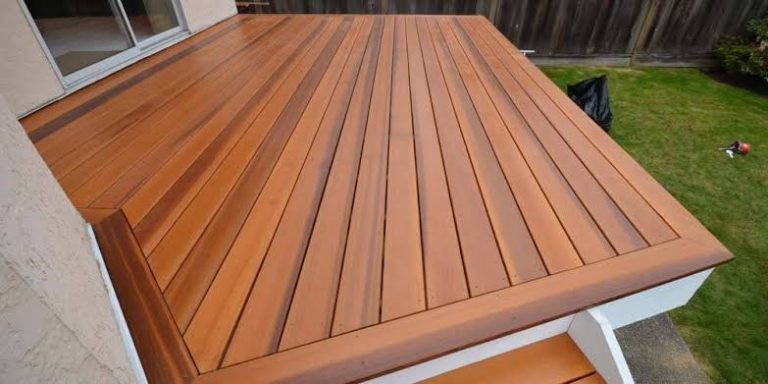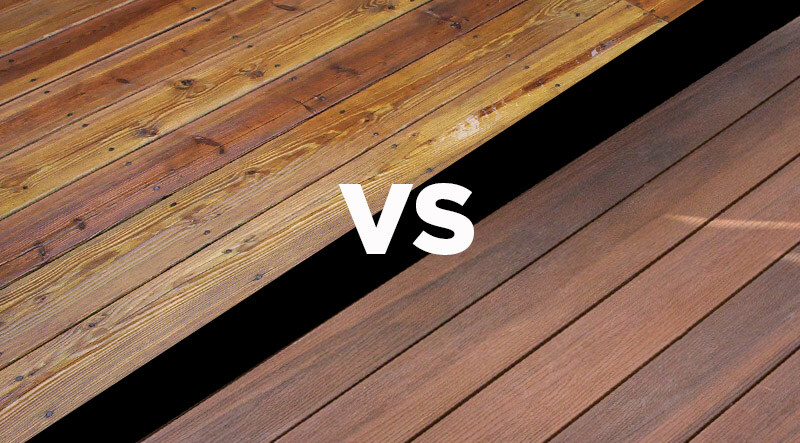
Merbau vs Composite Decking Cost Australia Guide
Merbau Timber Decking vs. Composite Decking Cost in Australia
Choosing between Merbau timber and engineered composite decking is one of the most critical decisions Australian homeowners face when building or renovating an outdoor entertainment area. Both materials are widely used across the country, from coastal metropolitan homes to inland regional properties. However, they represent fundamentally different investments in terms of upfront capital outlay, installation labor, environmental durability, and ongoing maintenance demands over a 20- to 30-year lifecycle.
Evaluating the Merbau timber decking vs composite decking cost Australia landscape requires looking beyond the initial board purchase price at a local timber yard or hardware supplier. A comprehensive financial assessment must incorporate structural subframe requirements, specialized fastening systems, Bushfire Attack Level (BAL) compliance, initial site preparation, and the long-term cumulative expense of oils, stains, and labor. This guide provides a neutral, detailed overview of upfront pricing, lifecycle financial models, practical installation scenarios, and maintenance protocols to help property owners make an informed decision.
Overview of Merbau Timber Decking vs Composite Decking Cost Australia
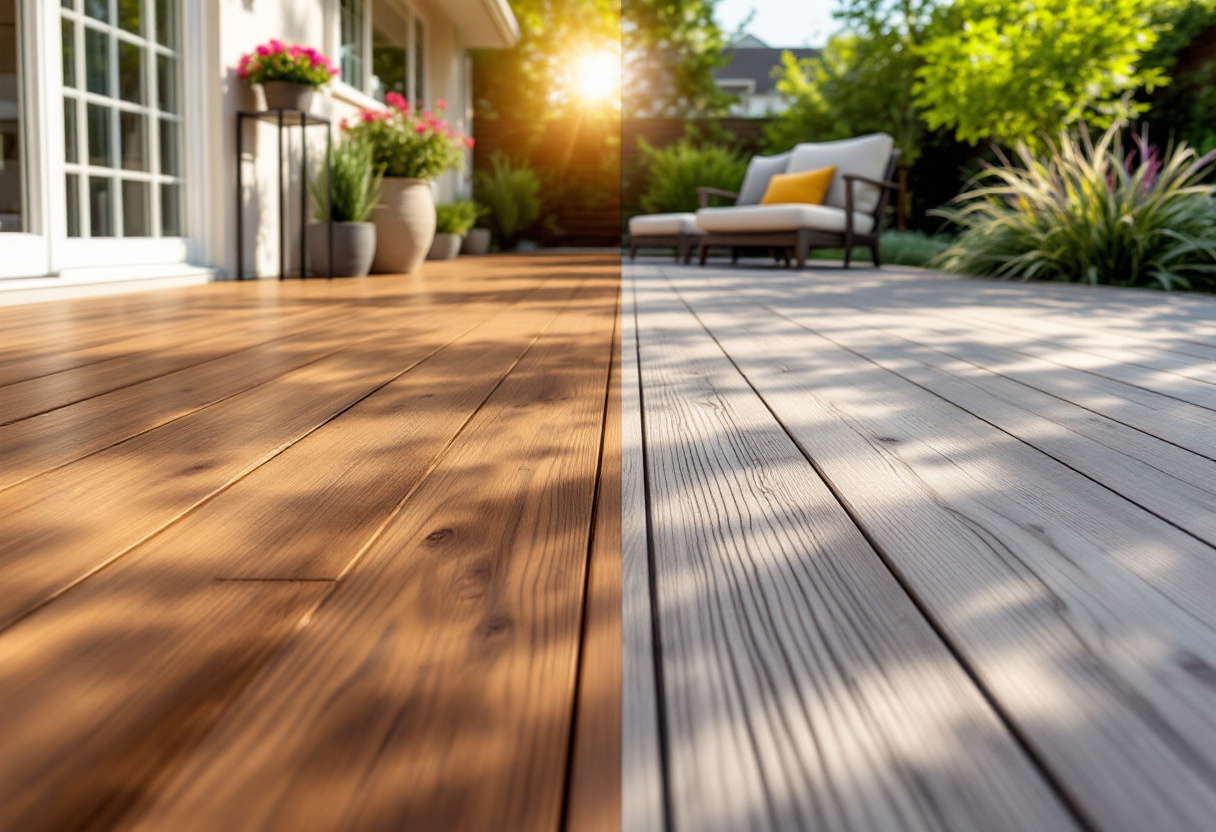
Understanding the Merbau timber decking vs composite decking cost Australia dynamic begins with examining the physical characteristics and sourcing of each material. Merbau (Intsia bijuga) is an imported natural hardwood prized in Australia for its rich reddish-brown color, high density, and natural resistance to decay and termites (Durability Class 1 above ground). Because it is imported in large volumes, Merbau remains one of Australia’s most competitively priced hardwood decking boards. However, as a natural wood product, it contains water-soluble tannins that leach out during initial rain cycles, and it requires regular oiling or staining to prevent surface cracking, splitting, and greying.
                 DECISION MATRIX: LIFECYCLE VS. UPFRONT COST

      [ Merbau Natural Hardwood ]              [ Engineered Capped Composite ]
      +-------------------------+              +-----------------------------+
      | Lower Upfront Material  |              | Higher Upfront Material     |
      | High Labor (Pre-Drill)  |              | Fast Labor (Hidden Clips)   |
      | Tannin Bleed Risk       |              | Zero Tannin Bleed           |
      | Annual Oiling Required  |              | Zero Oiling / Low Maintenance|
      | 15–25 Year Lifespan     |              | 25–30+ Year Lifespan        |
      +-------------------------+              +-----------------------------+
                   |                                          |
                   +--------------------+---------------------+
                                        |
                          [ 10 to 15-Year Parity Point ]
                       Cumulative Maintenance Normalizes
                        Total Cost of Ownership
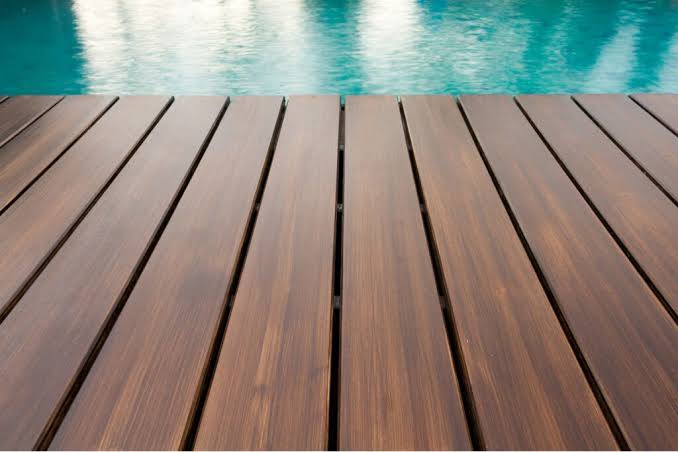
Composite decking consists of an engineered blend of recycled wood fibers, plastic resins (such as HDPE or PVC), and bonding agents, often encapsulated in a protective polymer outer shell (capped composite). While composite boards carry a higher upfront material cost per square meter, they eliminate tannin bleeding, do not splinter, and do not require oiling, painting, or sanding throughout their operational life.
Across Australia, total installed costs—including subframe, boards, fasteners, and labor—range from $280 to $550 per m² for Merbau and $300 to $650+ per m² for composite decking. While Merbau is generally cheaper to build initially, composite decking often achieves total financial parity within 7 to 12 years due to saved maintenance expenses.
Key Material Categories & System Options
When assessing Merbau timber decking vs composite decking cost Australia metrics, both material streams divide into distinct product grades, board profiles, and finishing specifications.
| Category / Type | Material Description | Primary Use Case | Relative Cost & Labor Level |
| Standard Merbau (90x19mm or 140x19mm) | Kiln-dried natural hardwood boards with pencil-round edges or reed-back profiles. | Budget-conscious natural timber decks and traditional verandahs. |
Material: $100–$160 / m² Installed: $280–$450 / m² Effort: High (pre-drilling required) |
| Uncapped First-Gen Composite | Basic recycled wood-plastic matrix without a protective outer polymer shell. | Light-use residential decks where low cost is prioritized over fade resistance. |
Material: $70–$110 / m² Installed: $300–$420 / m² Effort: Moderate (hidden clip installation) |
| Mid-Tier Capped Composite | Co-extruded board with a protective polymer shell on 3 sides to prevent staining and fading. | Standard residential alfresco areas, pool surrounds, and family yards. |
Material: $110–$170 / m² Installed: $380–$520 / m² Effort: Low-Moderate (fast hidden clip system) |
| Premium 4-Side Capped / PVC | High-density core fully encapsulated on 4 sides with realistic embossed wood-grain textures. | Coastal homes, high-end architectural builds, and harsh full-sun environments. |
Material: $170–$250+ / m² Installed: $500–$680+ / m² Effort: Low-Moderate (precise thermal spacing) |
| BAL-29 / BAL-40 Rated Options | Select Merbau or specialized flame-retardant composite boards compliant with AS 3959. | Designated Bushfire Attack Level zones in peri-urban or regional Australia. |
Material: $130–$220 / m² Installed: $420–$620 / m² Effort: High (strict code compliance needed) |
How to Choose Between Options
Selecting the appropriate material category requires balancing upfront capital with maintenance willingness and site conditions. Homeowners who enjoy routine DIY timber care and prefer natural wood grain often select standard 140x19mm Merbau. Property owners building near swimming pools, over light-colored paving, or in rental properties typically benefit from capped composite options to eliminate tannin runoff, splintering, and recurring maintenance labor.
Practical Scenarios or Thematic Applications
Scenario 1: Standard Ground-Level Suburban Deck (30 m²)
-
Context: A flat suburban backyard in Melbourne or Sydney creating a 30 m² outdoor dining platform connected to an alfresco area.
-
Component List:
-
Treated pine H3 framing joists spaced at 450mm centers
-
Surface decking boards (140x19mm Merbau vs. Mid-Tier Capped Composite)
-
Fastening hardware (Stainless steel face screws vs. Hidden plastic/metal clips)
-
Perimeter fascia boards
-
-
Relevance: Demonstrates a baseline residential build where subframe expenses remain constant, allowing direct comparison of board and labor performance.
Scenario 2: Elevated Deck with Stairs & Balustrade (40 m²)
-
Context: An elevated second-story deck attached to a sloping site requiring structural support posts, stairs, and handrails.
-
Component List:
-
Concrete footings with galvanized steel post stirrups and H4 treated pine posts
-
Heavy-duty bearer and joist framing matrix
-
Premium composite or Merbau decking surface
-
Powder-coated aluminum or stainless steel wire balustrade system
-
-
Relevance: Highlights how elevated engineering, post footings, and safety balustrades increase total project expenses, reducing the material cost variance as a percentage of the overall budget.
Scenario 3: Poolside Surrounding Deck with Light Paving (25 m²)
-
Context: A deck surrounding an in-ground swimming pool adjacent to light-colored travertine or concrete pavers.
-
Component List:
-
Low-clearance aluminum or treated pine substructure with joist flashing tape
-
Capped composite boards with slip-resistant finish (P4/P5 rating) vs. Merbau
-
Stainless steel marine-grade 316 fixings
-
-
Relevance: Illustrates a site where tannin bleeding from Merbau presents a high risk of permanently staining surrounding stone pavers, making composite the functional preference.
                 SCENARIO STRUCTURAL COMPARISON

      Ground-Level (30 m²)             Elevated + Stairs (40 m²)
      +----------------------+         +----------------------------+
      | Low Subframe Cost    |         | High Post & Footing Cost   |
      | Standard Framing     |         | Safety Balustrade Required |
      | Fast Installation    |         | Structural Engineering     |
      +----------------------+         +----------------------------+
Comparison of Scenarios
Scenario 1 allows the material price difference between Merbau and composite to show clearly in the final invoice. In Scenario 2, structural timber, concrete footings, and balustrades account for most of the budget, making the material upgrade to composite a smaller percentage of the overall expense. Scenario 3 prioritizes functional risk mitigation (preventing stain damage and rot) over raw board pricing.
Planning, Cost, or Resource Considerations
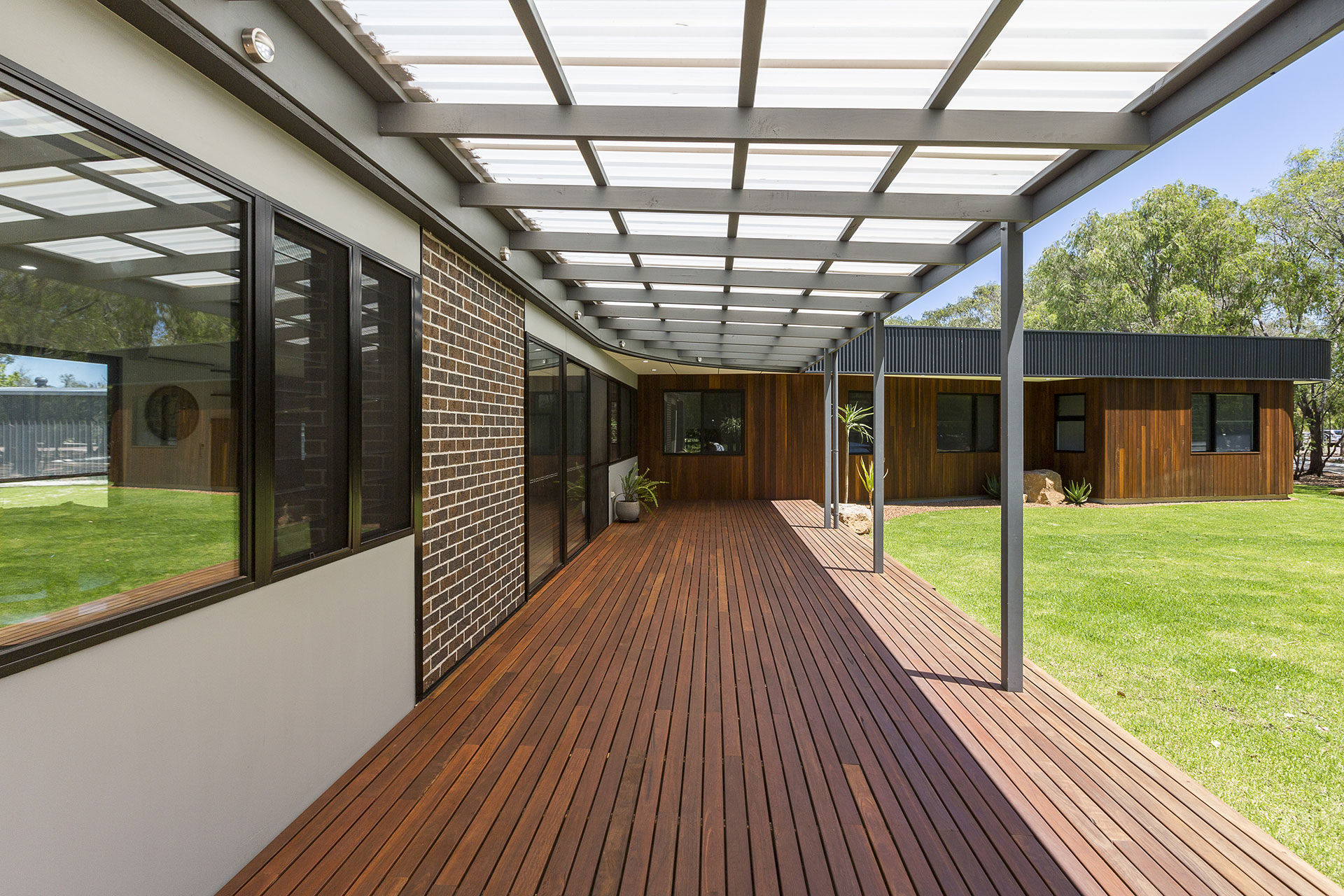
Evaluating the Merbau timber decking vs composite decking cost Australia equation requires separating initial construction expenses from long-term operating costs. Across Australia, professional carpenter labor averages $80 to $120 per hour or $120 to $220 per m² for decking installation alone.
        INSTALLED COST VS. 15-YEAR TOTAL COST OF OWNERSHIP (30 m² DECK)

  Merbau Hardwood Deck
  [Initial Build $10,500] + [15-Yr Maintenance $6,750]  --->  $17,250 Total

  Mid-Tier Capped Composite
  [Initial Build $13,500] + [15-Yr Maintenance $450]    --->  $13,950 Total
Sample Project Financial Model (30 m² Deck, Australian Averages)
| Category | Merbau Hardwood | Mid-Tier Composite | Financial & Operational Notes |
| Subframe Lumber & Concrete | $1,800 – $2,500 | $1,800 – $2,500 | H3 treated pine joists, bearers, and concrete footings. |
| Surface Boards (30 m² + Waste) | $3,300 – $4,800 | $4,200 – $6,600 | Merbau ($100–$160/m²) vs. Capped Composite ($130–$200/m²). |
| Fasteners & Hardware | $250 – $450 | $450 – $800 | Stainless face screws (Merbau) vs. Hidden clip systems (Composite). |
| Installation Labor | $3,600 – $5,400 | $2,700 – $4,200 | Merbau labor is higher due to pre-drilling every fixing point. |
| Initial Finish / Tannin Prep | $250 – $450 | $0 | Tannin wash, cleaner, and initial oil coat for Merbau. |
| Estimated Upfront Cost | $9,200 – $13,600 | $9,150 – $14,100 | Upfront Installed Total (~$300–$450/m² Merbau vs. $300–$470/m² Composite). |
| Est. 15-Year Maintenance Cost | $4,500 – $9,000 | $300 – $600 | Merbau oil ($300–$600/yr) vs. Composite wash ($20–$40/yr). |
| 15-Year Total Cost of Ownership | $13,700 – $22,600 | $9,450 – $14,700 | Composite becomes more cost-effective over a 15-year lifecycle. |
Note: Figures represent general national averages in AUD including GST. Actual rates vary by state, access, and regional supply chain conditions.
Strategies, Tools, or Support Options
Choosing appropriate installation hardware and board handling methods affects both initial construction speed and long-term performance.
1. Pre-Drilling and Countersinking (Merbau Requirement)
-
Description: Drilling pilot holes and countersinking every screw location before driving stainless steel fasteners into dense Merbau timber.
-
Advantages: Prevents timber splitting at board ends and ensures screw heads sit flush with the surface.
-
Disadvantages: Increases installation labor time by 30% to 50% compared to clip-based systems.
2. Hidden Clip Fastening Systems (Composite Advantage)
-
Description: Specialized metal or plastic clips fitted into grooved board edges and secured directly into joists.
-
Advantages: Leaves a smooth, fastener-free surface, automatically sets thermal expansion gaps, and speeds up board installation.
-
Disadvantages: Hardware costs are higher than standard timber screws, and replacing an individual damaged center board can be more complex.
       FACE-SCREWD TIMBER (MERBAU)               HIDDEN CLIP COMPOSITE
    +------------------------------+       +------------------------------+
    |   [v]                  [v]   |       |        [   ]                 |
    |==============================|       |========|===|=================|
    |      Subframe Joist          |       |        |Clip| Subframe Joist |
    +------------------------------+       +------------------------------+
    (Pre-drilled exposed screws)           (Clean surface; auto spacing)
3. Joist Protection Flashing Tape
-
Description: A self-adhesive butyl rubber tape applied across the top of timber framing joists before board placement.
-
Advantages: Protects subframe timber from moisture trapping, extending framing life to match 25+ year composite board warranties.
-
Disadvantages: Adds $120 to $250 in material expense for a standard deck.
4. Tannin Stripping and Bleed Management Strategy
-
Description: Applying specialized chemical timber cleaners or allowing 6 to 8 weeks of weathering before initial oiling of Merbau.
-
Advantages: Removes surface tannins, allowing oil penetration and reducing runoff onto adjacent structures.
-
Disadvantages: Delays final deck completion and requires careful containment near stone or concrete.
Safety, Risks, or Common Challenges
Both materials present specific environmental, structural, and maintenance risks under harsh Australian weather conditions.
+------------------------------------------------------------------------+
|                    RISK & FAILURE MITIGATION MATRIX                    |
+------------------------------------------------------------------------+
| ISSUE / RISK       | ROOT CAUSE               | PREVENTION & MITIGATION|
+--------------------+--------------------------+------------------------+
| Tannin Bleeding &  | Merbau's water-soluble   | Wash with tannin remover|
| Paver Staining     | extractives leach out in | before building; use   |
|                    | initial rain cycles [1.1.2].| composite near stone [1.1.2].|
+--------------------+--------------------------+------------------------+
| Thermal Expansion  | Composite boards expand  | Maintain 3–6mm side and|
| & Board Buckling   | in hot weather if gapping| 6–10mm end expansion   |
|                    | is insufficient [1.3.2]. | gaps per spec [1.3.2]. |
+--------------------+--------------------------+------------------------+
| Timber Splintering | Merbau un-oiled, dried   | Oil every 12 months;   |
| & Surface Cracks   | out under intense Australian| wash with dedicated   |
|                    | UV radiation [1.1.2].    | timber cleaner [1.1.2].|
+--------------------+--------------------------+------------------------+
| Joist Spacing      | Composite installed on   | Keep joists at 400mm  |
| Sagging / Flexing  | standard 600mm joists    | max for composite boards|
|                    | meant for timber [1.3.2].| (450mm max) [1.3.2].   |
+------------------------------------------------------------------------+
Maintenance, Best Practices, or Long-Term Management
A primary distinction when assessing the Merbau timber decking vs composite decking cost Australia landscape is ongoing upkeep.
                    10-YEAR MAINTENANCE TIMELINE

  Merbau Natural Hardwood:
  Year 1       Year 2       Year 4       Year 6       Year 8       Year 10
  [Oil/Stain]  [Oil/Stain]  [Oil/Stain]  [Sand/Oil]   [Oil/Stain]  [Sand/Oil]
  (Requires ongoing washing, sanding, and oiling every 12 months)

  Capped Composite Decking:
  Year 1       Year 2       Year 4       Year 6       Year 8       Year 10
  [Wash]       [Wash]       [Wash]       [Wash]       [Wash]       [Wash]
  (Requires only periodic soap-and-water scrub or hose-down)
Ongoing Care Protocols
For Merbau Hardwood Decks:
-
Annual Inspection (Every 12 Months): Check for popped screw heads, loose boards, and dry surface fibers.
-
Chemical Scrubbing: Wash with a specialized sodium percarbonate timber cleaner to strip dirt, oxidation, and old oil coats.
-
Oil Re-Application: Apply 2 coats of water-based or oil-based decking oil once the timber is dry. Expect to spend $150 to $350 in materials (or $25–$50/m² for professional service) every 1 to 2 years.
For Composite Decks:
-
Seasonal Wash (2 to 3 Times Annually): Scrub with warm soapy water and a soft-bristle broom to clear pollen, dirt, and leaf tannins.
-
Clear Ventilation Gaps: Keep side and end gaps clear of leaves and debris to maintain airflow under the subframe.
-
Spot Cleaning: Wipe grease, oil, or food spills promptly using household degreasers to prevent cap discoloration.
Project Documentation & Outcome Tracking
Maintaining detailed project records helps property owners support warranty claims, document structural compliance, and provide verification during property sales.
                 PROJECT DOCUMENTATION DOSSIER

  +-------------------------------------------------------------+
  |  1. Itemized Contractor Contract & Scope of Work            |
  |  2. Material Receipts (Board Brand, Color Code, Batch ID)   |
  |  3. Manufacturer Warranty Certificate (15–30 Years)         |
  |  4. Council Building Permit & Inspector Sign-Off Documents  |
  |  5. Maintenance Logbook (Oiling Dates & Product Types)      |
  +-------------------------------------------------------------+
Practical Documentation Examples
Example 1: Resale Valuation Proof
A homeowner builds a 35 m² capped composite deck. They compile builder invoices, local council permits, and a 25-year manufacturer warranty certificate into a digital folder. When selling the property eight years later, this documentation verifies professional construction and confirms that remaining warranty coverage transfers to the buyer.
Example 2: Warranty Claim File
A property manager notices isolated surface swelling on several composite boards. Because they kept original purchase invoices and batch number receipts, they submit a claim directly to the manufacturer. The manufacturer confirms a product defect and supplies replacement boards under their 20-year limited warranty without delay.
Closing Summary
Evaluating the Merbau timber decking vs composite decking cost Australia landscape requires balancing initial construction expenses against long-term operational costs. Merbau offers a lower upfront material price ($100–$160/m² supply), authentic natural wood grain, and proven structural durability. However, its need for annual oiling ($300–$800/year) and risk of tannin bleeding increase its 15-year cost of ownership. Composite decking carries a higher upfront material price ($110–$250+/m² supply) but eliminates oiling, painting, and tannin staining, making it a lower-maintenance, cost-effective asset over a 15- to 25-year lifecycle.
Frequently Asked Questions (FAQ)
Is Merbau cheaper to install upfront than composite decking in Australia?
Yes, Merbau timber is generally cheaper on raw material supply ($100–$160/m² vs $110–$250/m² for composite). However, because Merbau requires pre-drilling every screw hole, labor costs are often higher. As a result, total installed prices overlap considerably ($280–$550/m² for Merbau vs $300–$650/m² for composite).
Does Merbau decking stain concrete pavers or house footings?
Yes, Merbau contains natural water-soluble tannins that leach out during initial rain cycles. This tannin runoff produces reddish-brown stains on nearby light-colored concrete, limestone pavers, and rendered walls. Capped composite decking produces zero tannin runoff, making it better suited for areas near light-colored hardscaping or pools.
How often does a Merbau deck need oiling compared to composite?
A Merbau deck requires oiling or staining every 12 months (or bi-annually in full-sun locations) to prevent drying out, cracking, and turning silver-grey. Composite decking never requires oiling, staining, or sealing; it only needs periodic washing with warm soapy water to clean surface dirt.