Cedar vs Composite Decking Cost per Sq Ft Canada Guide
Cedar Decking vs. Composite Decking Cost per Square Foot in Canada
Building or replacing an outdoor deck is one of the most common home improvement projects in Canada. Homeowners face a foundational choice between natural wood—most notably Western Red Cedar—and engineered composite materials. Because Canadian weather presents extreme temperature fluctuations, heavy snow loads, and intense thaw-freeze cycles, selecting the right decking material involves balancing initial material investments, installation labor, ongoing weatherproofing maintenance, and long-term durability.
Evaluating Cedar decking vs composite decking cost per square foot Canada requires looking closely at both upfront material expenses and lifetime operational costs. While cedar offers a classic aesthetic and a lower initial purchase price, composite decking requires significantly less ongoing upkeep over its multi-decade lifespan. This guide provides a detailed breakdown of board categories, labor variables, practical installation scenarios, financial models, and long-term maintenance practices across the Canadian market.
Overview of Cedar Decking vs Composite Decking Cost per Square Foot Canada

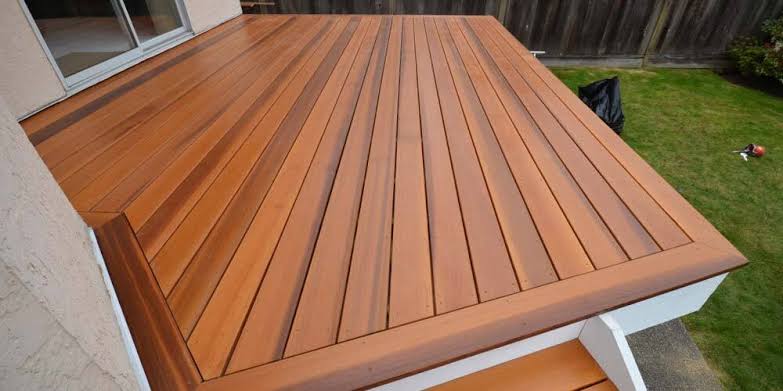
Evaluating Cedar decking vs composite decking cost per square foot Canada requires analyzing two distinct material lifecycles and manufacturing profiles. Western Red Cedar is a natural softwood species harvested primarily in British Columbia. It is valued for its rich natural grain, dimensional stability, and organic resistance to decay and insect damage. However, because cedar is an organic fiber, exposure to snow, ice, rain, and solar ultraviolet (UV) radiation causes it to weather to a silvery-grey tone unless it is routinely cleaned, sanded, and sealed.
Composite decking, by contrast, is an engineered product composed of recycled wood flour or fibers combined with high-density polyethylene (HDPE) or polyvinyl chloride (PVC) plastics. Modern capped composite boards feature a protective polymer shell that resists moisture penetration, fading, staining, and mold growth. In Canada, raw board costs for cedar range from $7 to $20 CAD per square foot depending on grade, while composite surface materials range from $8 to $30+ CAD per square foot depending on whether boards are uncapped, capped, or full PVC. When factoring in substructure framing, hardware, and professional contractor labor, total installed costs generally average $40 to $70 CAD per square foot for cedar and $60 to $110+ CAD per square foot for composite decking.
                 DECISION MATRIX: UPFRONT VS. LIFECYCLE COST

      [ Western Red Cedar Decking ]             [ Capped Composite Decking ]
      +---------------------------+             +--------------------------+
      | Moderate Upfront Cost     |             | Higher Upfront Cost      |
      | High Labor (Pre-Drill)    |             | Fast Labor (Hidden Clips)|
      | Natural Fiber / Cool Touch|             | Engineered / Heat Retain |
      | Annual Staining Needed    |             | Wash-Only Maintenance    |
      | 15–20 Year Lifespan       |             | 25–30+ Year Lifespan     |
      +---------------------------+             +--------------------------+
                    |                                        |
                    +--------------------+-------------------+
                                         |
                            [ 8- to 12-Year Parity Point ]
                         Cumulative Maintenance Normalizes
                          Total Cost of Ownership (TCO)
Key Categories, Material Variations, and Options
When comparing Cedar decking vs composite decking cost per square foot Canada metrics, both material streams divide into distinct grades, profiles, and performance tiers.
| Category / Type | Material Description | Common Use Case | Relative Cost & Labor Level |
| Select Tight Knot (STK) Cedar | Standard 5/4×6 or 2×6 cedar with sound, tight knots; natural aromatic wood finish. | Budget-conscious natural wood decks, rustic cottages, and suburban backyards. |
Material: $7–$10 CAD / sq. ft. Installed: $40–$60 CAD / sq. ft. Effort: Moderate (requires pre-drilling) |
| Architect Clear Cedar | Premium 5/4×6 or 2×6 kiln-dried cedar virtually free of knots; smooth, uniform grain. | High-end residential decks, architectural accents, and luxury urban platforms. |
Material: $18–$30 CAD / sq. ft. Installed: $60–$95 CAD / sq. ft. Effort: High (careful handling & sealing) |
| Uncapped Composite | Early-generation wood-plastic matrix without a protective outer polymer shell. | Covered porches or covered platforms with low direct sun exposure. |
Material: $4–$12 CAD / sq. ft. Installed: $50–$70 CAD / sq. ft. Effort: Moderate (clip installation) |
| Capped Composite (Mid-Tier) | Wood-plastic composite core encapsulated in a protective polymer shell on 3 sides. | Standard residential decks, high-traffic family yards, and poolside areas. |
Material: $8–$21 CAD / sq. ft. Installed: $65–$95 CAD / sq. ft. Effort: Low-Moderate (fast hidden clips) |
| Capped Polymer / Full PVC | 100% synthetic resin core with no wood fibers; maximum scratch and moisture resistance. | High-moisture environments, lakeside docks, and extreme sun/snow exposure. |
Material: $20–$30+ CAD / sq. ft. Installed: $85–$130+ CAD / sq. ft. Effort: Low-Moderate (thermal spacing needed) |
How to Choose Between Material Options
Selecting between cedar grades and composite collections depends on maintenance willingness, site orientation, local snow accumulation, and project budget. Homeowners who value authentic natural wood texture, cooler surface temperatures under direct sunlight, and lower initial material costs frequently choose Select Tight Knot or Clear Cedar. Conversely, property owners seeking a splinter-free surface, zero annual staining, and long manufacturer stain-and-fade warranties (25 to 50 years) typically select capped composite or cellular PVC systems.
Practical Scenarios or Thematic Applications
Scenario 1: Standard Suburban Ground-Level Deck (200 sq. ft. / 10×20 ft.)
-
Context: A flat suburban backyard in Calgary or Edmonton replacing a worn lawn with a 200 sq. ft. outdoor seating deck.
-
Component List:
-
Helical pile or concrete sonotube footings dug below regional frost lines (typically 4 ft. deep)
-
Pressure-treated H-Brown framing joists spaced at 16 inches on center
-
Surface decking (5/4×6 STK Cedar vs. Capped Composite)
-
Surface-driven color-matched stainless screws or hidden deck clips
-
Perimeter fascia boards
-
-
Relevance: Demonstrates a baseline Canadian installation where substructure framing and footing requirements remain identical, isolating surface material and labor costs.
Scenario 2: Second-Story Elevated Deck with Aluminum Railings (280 sq. ft.)
-
Context: An elevated deck attached to a primary living space in Toronto or Vancouver requiring structural support posts, stairs, and code-compliant railings.
-
Component List:
-
Engineered 6×6 support posts, ledger board attachment with flashing, and diagonal bracing
-
Ground-contact pressure-treated joist framing matrix
-
Architect Clear Cedar or Mid-Tier Capped Composite surface boards
-
Powder-coated aluminum picket railing system ($80–$150 per linear foot)
-
One 6-step stair run with closed risers
-
-
Relevance: Highlights how elevated structural framing, safety railings, and building permits account for a significant portion of the total budget, reducing the percentage impact of surface material costs.
Scenario 3: Waterfront Cottage Lake Dock & Decking (350 sq. ft.)
-
Context: A lakeside platform in Muskoka or the Laurentians exposed to heavy snow, ice, and constant surface moisture.
-
Component List:
-
Helical steel piles driven into rock/soil to resist winter ice heave
-
Marine-grade pressure-treated or aluminum framing joists
-
Full PVC / Capped Polymer decking boards or 2×6 Clear Cedar boards
-
Marine-grade 316 stainless steel hardware
-
-
Relevance: Illustrates a harsh climate application where resistance to rot, algae growth, and freeze-thaw damage governs material selection.
                 SCENARIO STRUCTURAL COMPARISON

      Ground-Level (200 sq ft)         Second-Story Elevated (280 sq ft)
      +----------------------+         +---------------------------------+
      | Simple Frost Footings|         | Engineered Posts & Bracing      |
      | Low Structural Cost  |         | Code-Compliant Guard Railings   |
      | Direct Yard Access   |         | Complex Stair Framework         |
      | $40 - $70 / sq. ft.  |         | $75 - $120+ / sq. ft.           |
      +----------------------+         +---------------------------------+
Comparative Analysis of Scenarios
Scenario 1 provides a direct price comparison where surface board cost is the main cost driver. In Scenario 2, structural timber, posts, stairs, and aluminum railings represent over 50% of total expenditure, making the price jump from cedar to composite a smaller overall percentage of the contract. Scenario 3 prioritizes moisture resistance and frost stability over initial purchase price.
Planning, Cost, or Resource Considerations
Accurately evaluating Cedar decking vs composite decking cost per square foot Canada requires separating upfront material and labor costs from ongoing maintenance over a 15- to 25-year lifecycle. Carpenter labor across Canadian provinces typically ranges from $25 to $50 per square foot for standard builds, rising to $40 to $70 per square foot in urban centers like Toronto, Vancouver, and Montreal.
       TOTAL INSTALLED COST VS. 15-YEAR LIFECYCLE (200 SQ. FT. DECK)

  Select Tight Knot Cedar Deck
  [Initial Build $10,000] + [15-Yr Maintenance $4,500] ---> $14,500 Total

  Mid-Tier Capped Composite
  [Initial Build $16,000] + [15-Yr Maintenance $500]   ---> $16,500 Total
Sample Project Financial Model (200 sq. ft. Deck, Canadian CAD Averages)
| Cost Category | STK Cedar Deck | Mid-Tier Capped Composite | Financial & Operational Notes |
| Footings & Permits | $1,200 – $2,000 | $1,200 – $2,000 | Concrete sonotubes or helical piles plus municipal building permits. |
| Framing Lumber (PT) | $1,800 – $2,800 | $1,800 – $2,800 | Pressure-treated joists, beams, and ledger board. |
| Surface Decking Boards | $1,600 – $2,400 | $2,800 – $4,600 | Raw board materials (Cedar $8–$12/sq.ft. vs. Composite $14–$23/sq.ft.). |
| Fasteners & Hardware | $250 – $450 | $500 – $850 | Stainless screws (Cedar) vs. Hidden clip systems (Composite). |
| Contractor Labor | $5,000 – $8,000 | $5,000 – $8,000 | Framing, board laying, precision cutting, and site cleanup. |
| Initial Stain / Wash | $300 – $600 | $0 | Penetrating oil stain and sealer application for cedar. |
| Estimated Upfront Cost | $10,150 – $16,250 | $11,300 – $18,250 | Installed Total (~$50–$81/sq.ft. Cedar vs. $56–$91/sq.ft. Composite). |
| 15-Year Maintenance Cost | $3,500 – $6,000 | $300 – $600 | Cedar oil/stain ($250–$400/2 yrs) vs. Composite soap wash ($20–$40/yr). |
| 15-Year Total Cost (TCO) | $13,650 – $22,250 | $11,600 – $18,850 | Composite reaches total cost parity within 8 to 12 years. |
Note: Figures serve as general national estimates in CAD including typical contractor overhead. Actual costs vary based on regional labor rates, site accessibility, and design complexity.
Strategies, Tools, or Support Options
Selecting appropriate installation hardware and engineering strategies impacts both construction timelines and long-term deck performance in freezing climates.
1. Helical Pile Foundation System
-
Description: Steel screw piles mechanically driven deep into subsoil below the regional frost line.
-
Advantages: Prevents seasonal deck movement caused by frost heave in Canadian winters; can be loaded immediately without curing time.
-
Disadvantages: Costs $200 to $350 per pile, requiring specialized hydraulic installation machinery.
2. Hidden Fastener Clip Systems
-
Description: Metal or plastic clips inserted into grooved composite board edges and screwed directly into underlying joists.
-
Advantages: Creates a smooth surface free of visible screw heads, automatically sets uniform expansion gaps, and speeds installation.
-
Disadvantages: Hardware costs are higher than standard wood screws; replacing an individual damaged field board requires extra effort.
       FACE-SCREWED WOOD (CEDAR)                 HIDDEN CLIP COMPOSITE
    +------------------------------+       +------------------------------+
    |   [v]                  [v]   |       |        [   ]                 |
    |==============================|       |========|===|=================|
    |      Subframe Joist          |       |        |Clip| Subframe Joist |
    +------------------------------+       +------------------------------+
    (Pre-drilled exposed screws)           (Clean surface; auto spacing)
3. Butyl Joist Flashing Tape
-
Description: A self-adhesive butyl rubber tape applied across the top face of pressure-treated framing joists before board placement.
-
Advantages: Prevents meltwater from penetrating screw holes, extending substructure life to match 25+ year composite warranties.
-
Disadvantages: Adds $100 to $250 in material costs for a standard deck.
4. Kiln-Dried Pre-Staining Strategy (Cedar)
-
Description: Applying penetrating stain to all six sides of cedar boards before installation.
-
Advantages: Seals wood fibers against moisture before boards are fastened to framing, reducing cupping and warping.
-
Disadvantages: Requires dry drying space and additional prep labor prior to construction.
Safety, Risks, or Common Challenges
Canadian winter conditions introduce thermal movement, snow loads, and moisture challenges that affect both cedar and composite decking.
+------------------------------------------------------------------------+
|                    RISK & FAILURE MITIGATION MATRIX                    |
+------------------------------------------------------------------------+
| ISSUE / RISK       | ROOT CAUSE               | PREVENTION & MITIGATION|
+--------------------+--------------------------+------------------------+
| Thermal Expansion  | Composite boards laid    | Maintain 3/16" side and|
| & Board Buckling   | end-to-end tight without | 1/8" end gaps per temp |
|                    | cold-weather gaps [1.1.1].| installation guide [1.1.1].|
+--------------------+--------------------------+------------------------+
| Frost Heave        | Footings installed above | Dig concrete footings or|
| Dislocation        | regional frost line depth| install helical piles  |
|                    | (<4 ft in northern zones)| below frost line [1.1.2].|
+--------------------+--------------------------+------------------------+
| Cedar Board        | Cedar left un-sealed;    | Apply penetrating stain|
| Splitting & Rot    | water freezes inside     | every 2 years; clear   |
|                    | wood pores [1.1.1].      | trapped leaves [1.1.1].|
+--------------------+--------------------------+------------------------+
| Surface Scratches  | Using metal shovels to   | Use plastic shovels or |
| & Gouges           | clear winter snow off    | calcium chloride ice   |
|                    | composite boards.        | melt products [1.1.1]. |
+------------------------------------------------------------------------+
Maintenance, Best Practices, or Long-Term Management
A primary distinction when assessing Cedar decking vs composite decking cost per square foot Canada is ongoing upkeep.
                    10-YEAR MAINTENANCE TIMELINE

  Western Red Cedar Deck:
  Year 1       Year 2       Year 4       Year 6       Year 8       Year 10
  [Stain/Seal] [Clean]      [Stain/Seal] [Stain/Seal] [Stain/Seal] [Stain/Seal]
  (Requires ongoing washing, sanding, and oiling every 2 years)

  Capped Composite Decking:
  Year 1       Year 2       Year 4       Year 6       Year 8       Year 10
  [Wash]       [Wash]       [Wash]       [Wash]       [Wash]       [Wash]
  (Requires only periodic soap-and-water scrub)
Ongoing Care Protocols
For Western Red Cedar Decks:
-
Seasonal Inspection: Check for raised screw heads, board cupping, and areas where stain has worn thin.
-
Deep Cleaning (Bi-Annually): Scrub with an oxygen-bleach wood cleaner and a soft brush to remove algae, pollen, and ground-in dirt.
-
Re-Staining (Every 2 to 3 Years): Apply a high-quality semi-transparent penetrating oil stain. Materials cost $150 to $350 per application for DIY, or $400 to $900 for professional trade service.
For Composite Decks:
-
Seasonal Wash (Spring/Fall): Scrub with warm water, mild dish soap, and a soft-bristle broom to clear dirt and surface pollen.
-
Gap Maintenance: Clear leaves, pine needles, and debris wedged between board gaps using a plastic putty knife to ensure rainwater drainage.
-
Winter Care: Remove snow using plastic shovels or broom bristles. Avoid metal shovels, which can scratch capped polymer surfaces.
Project Documentation & Outcome Tracking
Keeping complete project records helps Canadian homeowners protect manufacturer warranties, document structural code compliance, and track capital improvements for property resale.
                 PROJECT DOCUMENTATION DOSSIER

  +-------------------------------------------------------------+
  |  1. Itemized Contractor Scope of Work & Payment Receipts    |
  |  2. Material Receipts (Board Brand, Grade, Batch Numbers)   |
  |  3. Manufacturer Warranty Certificates (25–50 Years)        |
  |  4. Municipal Building Permit & Final Inspection Sign-Off   |
  |  5. Maintenance Logbook (Staining Dates & Product Receipts) |
  +-------------------------------------------------------------+
Practical Documentation Examples
Example 1: Resale Home Value Verification
A homeowner builds a 240 sq. ft. capped composite deck in suburban Ottawa. They organize builder invoices, city building permits, and a 25-year manufacturer stain-and-fade warranty card into a home records binder. When listing the home six years later, this documentation verifies professional construction and transfers remaining warranty coverage to the buyer.
Example 2: Warranty Claim Processing
A property owner notices localized surface discoloration on several composite field boards. Because they retained original material delivery dockets and batch number receipts, they submit a claim directly to the manufacturer. The supplier confirms a batch anomaly and supplies replacement boards under warranty without administrative delays.
Closing Summary
Evaluating Cedar decking vs composite decking cost per square foot Canada requires balancing upfront capital costs against lifetime maintenance demands. Western Red Cedar offers a lower initial investment ($40 to $70 CAD per sq. ft. installed) and natural aesthetic appeal, but requires regular staining, sanding, and sealing to resist weathering. Composite decking carries a higher initial price tag ($60 to $110+ CAD per sq. ft. installed) but eliminates annual staining expenses, reaching total cost parity within 8 to 12 years through low ongoing maintenance costs.
Frequently Asked Questions (FAQ)
Is cedar decking cheaper upfront than composite decking in Canada?
Yes. Cedar decking generally costs less for materials ($7 to $20 CAD per sq. ft. supply) compared to composite decking ($8 to $30+ CAD per sq. ft. supply). Total installed costs average $40 to $70 CAD per sq. ft. for cedar versus $60 to $110+ CAD per sq. ft. for composite.
How long does a cedar deck last in Canada compared to composite?
A well-maintained cedar deck typically lasts 15 to 20 years in Canadian climates, provided it is stained and sealed every 2 to 3 years. Capped composite decks typically carry manufacturer warranties of 25 to 50 years and do not require staining or sanding.
Does composite decking hold up well in Canadian winters?
Modern capped composite and full PVC decking perform well in cold Canadian climates when installed with proper thermal expansion gaps. Using helical steel piles driven below the local frost line prevents frost heave and seasonal deck movement.