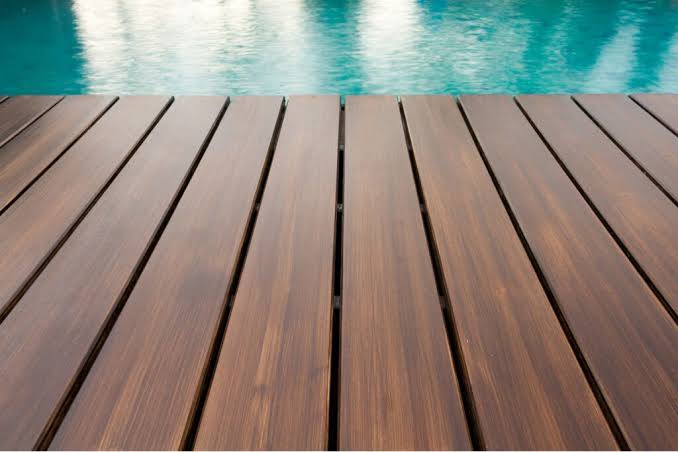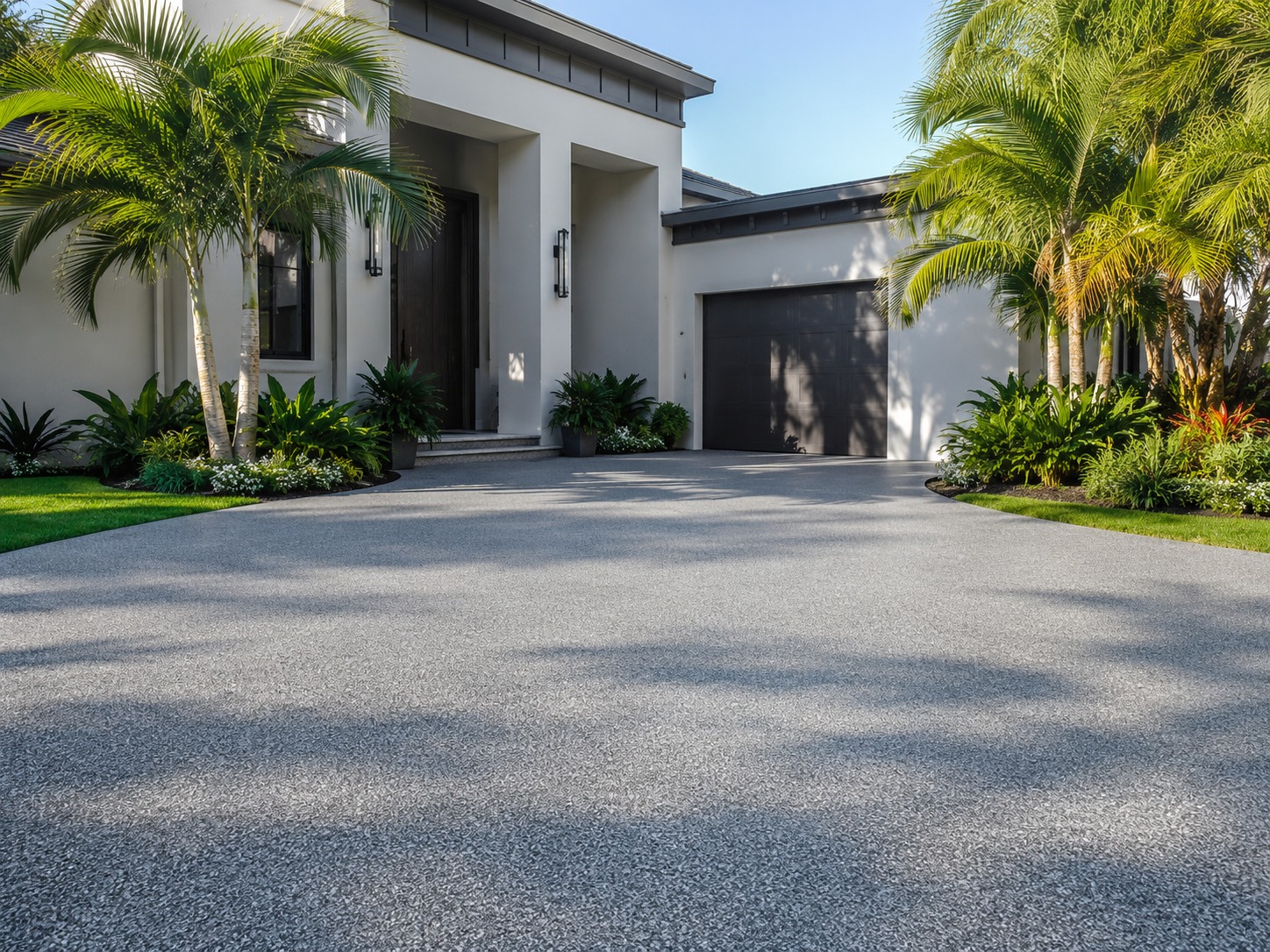
Exposed Aggregate Concrete Patio Cost per m2 Australia Guide
Exposed Aggregate Concrete Patio Cost per Square Metre in Australia
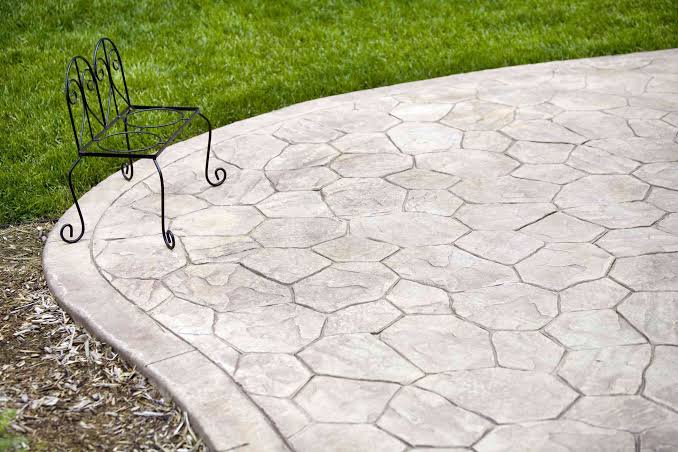
Exposed aggregate concrete has become one of the most popular surfacing choices for outdoor entertaining spaces, pool surrounds, and verandahs across Australia. By washing away the top layer of cement slurry before it fully cures, concreters reveal natural pebbles, crushed granite, quartz, or basalt embedded within the mix. This creates a visually textured, skid-resistant surface that combines structural durability with sophisticated architectural appeal.
Navigating an outdoor renovation requires a thorough understanding of the financial and technical factors that influence project estimates. Evaluating the Exposed aggregate concrete patio cost per square metre Australia homeowners face involves looking beyond raw concrete volume to consider site preparation, reinforcement schedules, slab thickness, decorative stone blends, and surface sealing. This comprehensive guide breaks down pricing structures, installation methodologies, practical applications, and maintenance requirements to help property owners plan effectively.
Understanding Exposed Aggregate Concrete Patio Cost per Square Metre Australia
Calculating the Exposed aggregate concrete patio cost per square metre Australia trades charge requires evaluating both material components and specialized trade labor. Unlike standard grey concrete poured and troweled flat, exposed aggregate involves a multi-stage process. Concreters pour a specialized mix containing selected decorative stones, apply a surface retarder to delay surface setting, pressure wash the top paste at a precise window of cure, and apply protective sealers once the slab dry-cures.
In the Australian market, fully installed prices generally range from $100 to $180+ per square metre (m²) for standard residential patio slabs. Material-only costs for ready-mix decorative concrete typically sit between $240 and $380 per cubic metre (m³), but the final installed price is driven largely by site preparation, formwork, steel reinforcement, and labor rates, which average $70 to $90 per hour per trade hand.
                 EXPOSED AGGREGATE PATIO CROSS-SECTION

      [ Surface Layer ]    Exposed Decorative Stones & Acrylic/Polyurethane Sealer
      ==================== Top Paste Water-Washed to Expose 3mm-5mm Stone ============
      [ Concrete Slab ]    100mm 25-32 MPa Concrete Matrix
      --------------------------------------------------------------------------
      [ Reinforcement ]    SL72 or F62 Steel Mesh Raised on Bar Chairs
      ..........................................................................
      [ Sub-Base Layer ]   50mm - 100mm Compacted Road Base / Crushed Rock
      ~~~~~~~~~~~~~~~~~~~~~~~~~~~~~~~~~~~~~~~~~~~~~~~~~~~~~~~~~~~~~~~~~~~~~~~~~~
      [ Native Soil ]      Excavated & Compacted Subgrade Soil
Regional factors also impact project quotes. Metropolitan areas like Sydney, Melbourne, Brisbane, and Perth benefit from high supplier competition but experience higher labor overheads. Regional or rural locations in Australia often incur a 10% to 25% price premium due to ready-mix transit distances and localized trade availability.
Key Categories, Material Options, and Finishing Types
When reviewing Exposed aggregate concrete patio cost per square metre Australia quotes, choices regarding aggregate stone types, color pigments, and post-pour finishing techniques determine the overall budget.
| Category / Type | Description | Common Use Case | Relative Cost & Labor Level |
| Standard Local Stone Mix | Local river gravel or crushed basalt mixed into standard grey cement paste. | Budget-friendly rear patios, pathways, and side access zones. |
Cost: $100–$130 / m² Labor: Standard pour and wash |
| Pigmented Cement & Graded Aggregate | Oxide-dyed cement matrix (charcoal, cream, or terracotta) with color-matched pebbles. | Architectural alfresco dining areas and modern entertaining platforms. |
Cost: $130–$160 / m² Labor: Moderate (precise pigment dosing) |
| Premium Quartz & Granite Blend | High-density quartz, white marble chips, or crushed granite imported or selectively graded. | High-end residential outdoor spaces and luxury patio features. |
Cost: $160–$200+ / m² Labor: High (specialized wash control) |
| Honed Aggregate (Light Grinding) | Surface stones exposed then mechanically ground light-smooth to eliminate sharp edges. | Barefoot patio zones, pool surrounds, and verandahs. |
Cost: $160–$220 / m² Labor: Very High (floor grinding machinery) |
| Polished Aggregate (Fully Flat) | Deep mechanical grinding and polishing to create a completely flat, terrazzo-style indoor-outdoor floor. | Enclosed alfresco rooms, sunrooms, and seamless indoor-outdoor transitions. |
Cost: $200–$280+ / m² Labor: Intensive multi-stage grinding |
Selecting the Right Finishing Category
Choosing among these options depends on barefoot comfort requirements, site exposure, and surrounding architectural finishes. Standard washed aggregate offers superior slip resistance for wet outdoor areas at an accessible price. Honed aggregate provides a smoother tactile experience underfoot while preserving slip resistance, making it suitable for covered alfresco zones where children run barefoot. Pigmented or quartz blends allow homeowners to match roof tiles, brickwork, or modern black window frames.
Practical Application Scenarios
Scenario 1: Standard Suburban Rear Alfresco Slab (35 m²)
-
Context: Replacing an old lawn area in a flat suburban Melbourne or Brisbane backyard with a 35 m² covered patio slab.
-
Component List:
-
Excavation of 150mm topsoil and organic matter
-
50mm compacted road base sub-tier
-
Formwork timber edge placement around perimeter
-
SL72 steel reinforcement mesh elevated on plastic chairs
-
100mm pour of 25 MPa concrete with local river pebble aggregate
-
Chemical retarder application, surface pressure wash, and solvent acrylic sealer
-
-
Relevance: Represents a standard residential backyard improvement on level ground with direct side-gate access for wheelbarrows or small machinery. Total installed costs typically fall between $110 and $140 per m².
Scenario 2: Sloped Site with Restricted Access & Pump Requirement (50 m²)
-
Context: Constructing a decorative exposed aggregate patio in a terraced Sydney or Perth backyard accessible only through a narrow house side-passage.
-
Component List:
-
Manual soil excavation and skip-bin disposal
-
Sub-grade leveling and concrete line pump hire ($600–$900 flat fee)
-
Oxide-tinted charcoal cement matrix with crushed granite aggregate
-
Saw-cut expansion joints at 3-meter grid intervals
-
Penetrating polyurethane non-yellowing sealer
-
-
Relevance: Demonstrates how physical site constraints increase fixed operational costs. Concrete pumping and difficult soil transport push per-square-metre unit rates up by $20 to $40 per m².
Scenario 3: Pool Surround & Entertaining Patio Combination (60 m²)
-
Context: Pouring a continuous 60 m² slab surrounding a new fiberglass pool and extending into an adjoining open-air entertaining patio.
-
Component List:
-
Precision formwork around pool coping beam and skimmer box
-
Drainage channel integration (Aco slot drain) connected to stormwater
-
25 MPa aggregate mix with rounded smooth river stones for foot comfort
-
Honed surface grinding around pool edge for smooth seating
-
Slip-resistant anti-grit additive mixed into the final sealer topcoat
-
-
Relevance: Highlights specialized pool compliance considerations, intricate edge formwork, and honed finishes, which elevate project costs into the $160 to $220 per m² range.
                 SCENARIO PRICE & COMPLEXITY PROFILE

     Standard Flat Patio (Scenario 1)       Restricted Sloped Site (Scenario 2)
   +---------------------------------+    +----------------------------------+
   | Easy Machinery Access           |    | Concrete Pump Hire Required      |
   | Standard Local Aggregate Mix    |    | Charcoal Oxide Pigment Blend     |
   | Direct Pour From Chute          |    | Manual Soil Wheelbarrowing       |
   | $110 - $140 / m² Total          |    | $145 - $180 / m² Total           |
   +---------------------------------+    +----------------------------------+
Comparative Analysis of Scenarios
Scenario 1 achieves maximum budget efficiency because flat ground and open side access minimize manual labor hours. Scenario 2 illustrates how access barriers—not board or stone materials—increase quotes through pump hire and manual soil handling. Scenario 3 balances aesthetics and pool safety regulations, where specialized honing and drainage integration command a higher investment per square metre.
Planning, Cost, or Resource Considerations
Detailed financial budgeting prevents unexpected variations during concreting. Across Australia, a comprehensive quote should detail earthworks, base aggregate supply, reinforcement mesh, concrete supply, pouring labor, washing, saw-cutting, and sealing.
       TYPICAL INSTALLED COST RANGE PER M² (AUSTRALIAN METRO)

  Standard Local Stone Mix (Flat Access)
  [Materials $45-$65] + [Labor & Prep $65-$85]   --->  $110 - $150 / m² Total

  Custom Pigment / Premium Aggregate Mix
  [Materials $60-$85] + [Labor & Prep $80-$115]  --->  $140 - $200 / m² Total
Sample Project Budget Model (40 m² Patio, Australian Averages)
| Category | Cost Range (AUD) / Effort | Explanation | Optimization Tips |
| Site Prep & Earthworks | $600 – $1,400 | Excavation of topsoil to 150mm, soil disposal, and ground compaction. | Clear surface vegetation and tree roots prior to trade arrival. |
| Sub-Base & Formwork | $500 – $900 | 50mm crushed road base gravel, timber formwork pegs, and edge boxing. | Ensure road base is compacted with a mechanical plate compactor. |
| Reinforcement & Jointing | $400 – $700 | SL72 or F62 steel mesh, trench mesh, bar chairs, and expansion foam. | Never lay mesh directly on ground; ensure plastic chairs lift mesh to center slab. |
| Ready-Mix Concrete Supply | $1,200 – $2,200 | 4.2 m³ of 25 MPa decorative aggregate concrete mix ($250–$350/m³). | Choose locally sourced stone mixes to reduce concrete plant surcharge fees. |
| Labor (Pour, Wash, Cut) | $2,000 – $3,400 | Trade team for pouring, screeding, retarder application, washing, and cutting. | Combine patio pours with pathways or driveways to maximize scale efficiency. |
| Sealing & Protection | $400 – $800 | High-solids acrylic or polyurethane clear sealer application (2 coats). | Verify sealer is included in contractor quote rather than listed as an extra. |
| Estimated Total Installed | $5,100 – $9,400 | National installed average translates to approx. $125 to $235 per m² all-in. | Note: Figures serve as illustrative baseline estimates (ex. GST) and vary by site. |
Engineering Strategies, Tools, and Support Options
Achieving a durable decorative concrete slab requires structural engineering practices tailored to Australian soil types, including highly reactive clays common across Queensland, New South Wales, and Victoria.
1. Concrete Line & Boom Pumping
-
Description: Pumping liquid concrete through heavy rubber hoses from a street-parked agitator truck to rear garden zones.
-
Advantages: Eliminates wheelbarrow damage to lawns and overcomes steep slopes or narrow side alleys.
-
Disadvantages: Adds a fixed pump hire fee ($500 to $900 per pour) to total project costs.
2. Chemical Surface Retarders
-
Description: Spraying a specialized sugar-based chemical retarder over the fresh concrete paste immediately after screeding and floating.
-
Advantages: Delays top paste hydration while the underlying slab sets, granting a 12 to 24-hour window for controlled pressure washing.
-
Disadvantages: Rain or sudden cold snaps during setting can alter exposure depth if left unprotected.
                 SURFACE EXPOSURE METHODOLOGY

        Chemical Retarder Spray                Pressure Wash Removal
      +---------------------------+          +---------------------------+
      | Retarded Top Paste (Soft) |          | Water Spray Removes Paste |
      |---------------------------|  ----->  |===========================| <--- Exposed Stone
      | Hardening Concrete Core   |          | Solid Concrete Matrix     |
      +---------------------------+          +---------------------------+
3. Expansion Saw-Cut Control Joints
-
Description: Cutting 25mm-deep contraction grooves into the cured slab using a diamond-blade floor saw within 18 to 24 hours of pouring.
-
Advantages: Channels internal concrete drying shrinkage stress into straight, hidden seams, preventing random aesthetic cracking.
-
Disadvantages: Must be timed accurately; cutting too early causes stone dislodgement, while cutting too late allows wild cracks to form.
4. High-Solids Acrylic & Polyurethane Sealers
-
Description: Applying clear protective coatings across washed stone surfaces once concrete moisture drops below threshold levels.
-
Advantages: Enhances natural stone colors, prevents oil absorption, and stops moss/algae growth inside stone pores.
-
Disadvantages: Requires re-application every 3 to 5 years depending on sun exposure.
Common Risks, Structural Pitfalls, and Mitigation
Concrete pouring is time-sensitive and permanent. Errors made during preparation or washing cannot be easily patched.
+------------------------------------------------------------------------+
|                     RISK & FAILURE MITIGATION MATRIX                   |
+------------------------------------------------------------------------+
| ISSUE / RISK       | ROOT CAUSE               | PREVENTION & MITIGATION|
+--------------------+--------------------------+------------------------+
| Wild Surface       | Lack of control joints;  | Saw-cut slab at 3m     |
| Cracking           | uncompacted sub-base or  | intervals; use SL72    |
|                    | missing mesh [1.1.4, 1.1.5].| mesh on bar chairs [1.1.5].|
+--------------------+--------------------------+------------------------+
| Over-Exposure /    | Excessive pressure       | Maintain consistent    |
| Pop-Out Stones     | washing or applying      | pressure washer distance|
|                    | retarder unevenly [1.1.3].| and test cure depth [1.1.3].|
+--------------------+--------------------------+------------------------+
| Surface Clouding / | Sealer applied over damp | Wait for slab moisture |
| White Haze         | concrete or during high  | to dry completely; apply|
|                    | humidity conditions.     | breathable sealers.    |
+--------------------+--------------------------+------------------------+
| Unwanted Water     | Incorrect slab fall      | Formwork must maintain |
| Pooling            | orientation away from    | a minimum 1:80 fall to |
|                    | house footings.          | stormwater drainage.   |
+------------------------------------------------------------------------+
Long-Term Maintenance and Management

Proper maintenance preserves the sealer barrier, protects stone aggregate colors, and maintains slip resistance over several decades.
                   PATIO 10-YEAR MAINTENANCE TIMELINE

  Initial Pour      Month 1 - 2          Year 3 - 5           Year 8 - 10
  [Form & Wash] -> [Initial Sealer] ----> [Reseal Topcoat] --> [Deep Clean/Reseal]
       |                 |                    |                    |
  25 MPa Mix        Cure & Apply         Clean Surface &      Re-apply Premium
  SL72 Mesh         Acrylic Coat         Re-coat Acrylic      Polyurethane Coat
Ongoing Care Protocols
-
Quarterly Cleaning: Sweep away organic leaf litter, dirt, and soil to prevent tannin staining on light-colored stone aggregates.
-
Low-Pressure Rinsing: Hose down the patio with clean water and mild household detergent. Avoid concentrated high-pressure rotary nozzles at close range, which can erode joint mortar or strip sealer films.
-
Resealing Schedule (Every 3–5 Years): Apply a fresh topcoat of clear acrylic or polyurethane sealer. Wash the surface thoroughly and allow 48 hours of dry weather before applying sealer with a lamb’s wool roller.
-
Spill Management: Clean automotive oil, grease, barbecue fat, or wine spills immediately using household degreasers to prevent oil penetration into unsealed aggregate pores.
Project Documentation & Outcome Tracking
Keeping accurate construction records helps Australian homeowners verify compliance with Australian Standards (AS 3600 for concrete structures and AS 3727 for residential pavements), maintain contractor warranties, and document property improvements for resale.
                 PROJECT DOCUMENTATION DOSSIER

  +-------------------------------------------------------------+
  |  1. Concreter Tax Invoice & Itemized Scope of Work          |
  |  2. Concrete Batch Delivery Docket (MPa Rating & Mix Code)  |
  |  3. Sub-Base Aggregate & Steel Mesh Purchase Receipts       |
  |  4. Sealer Product Data Sheet & Maintenance Specifications  |
  |  5. As-Built Photos Showing Mesh Elevation & Thickness      |
  +-------------------------------------------------------------+
Practical Documentation Examples
Example 1: Home Resale Valuation Verification
A property owner installs a 45 m² exposed aggregate patio behind their home. They retain the concreter’s tax invoice, batch dockets specifying 25 MPa decorative mix, and photos documenting SL72 steel mesh elevated on bar chairs prior to pouring. When listing the property, this dossier confirms to building inspectors and buyers that the slab was built to structural standards.
Example 2: Warranty Sealer Identification
A homeowner notices light surface wear on their exposed aggregate patio four years after installation. By referring to their archived documentation dossier, they identify the exact acrylic sealer brand and solvent type used during construction. They purchase a compatible resealing topcoat and re-apply it without chemical stripping or adhesion failure.
Closing Summary
Navigating the Exposed aggregate concrete patio cost per square metre Australia landscape involves balancing upfront material choices against long-term durability and low-maintenance appeal. Installed prices generally average $100 to $180+ per square metre across capital cities, governed by aggregate blends, slab thickness, reinforcement schedules, site access, and surface finishes. By ensuring proper sub-base preparation, elevating steel mesh, placing expansion cut joints, and maintaining protective sealer coats, property owners secure a visually appealing outdoor living area built to withstand Australian climate conditions.
Frequently Asked Questions (FAQ)
What is the average cost per square metre for exposed aggregate concrete in Australia?
In Australia, exposed aggregate concrete patios typically cost between $100 and $180 per square metre (m²) installed. Standard local stone mixes start near $100–$130/m², while premium quartz blends, oxide pigments, or honed finishes range from $160 to $220+/m².
Is exposed aggregate more expensive than standard plain concrete?
Yes, exposed aggregate concrete costs approximately $30 to $60 per square metre more than standard plain grey concrete. The higher price reflects decorative stone aggregates, chemical retarder applications, pressure-wash labor, and protective sealing coats.
Does an exposed aggregate patio get hot underfoot in Australian summers?
Exposed aggregate temperature depends on the chosen concrete matrix color and stone type. Dark charcoal oxides absorb more radiant solar heat, while lighter cream, white, or light river pebble blends remain comfortable for barefoot walking in warm weather.