Porcelain Patio Slabs Installation Cost per m2 UK Guide
Porcelain Patio Slabs Installation Cost per m2 UK
Porcelain paving has established itself as one of the most sought-after outdoor surfacing options for residential properties across the United Kingdom. Valued for its sleek aesthetic, high frost resistance, and stain-proof non-porous vitrified composition, porcelain offers a contemporary alternative to traditional natural stone or concrete flags. However, because vitrified porcelain requires specialized installation techniques, rigid base construction, and specific bonding agents, calculating overall project budgets requires an understanding of both material costs and skilled labor requirements.
Evaluating the Porcelain patio slabs installation cost per m2 UK homeowners encounter involves analyzing raw slab costs, sub-base aggregate materials, specialized slurry primers, diamond-blade cutting equipment, and regional labor rates. On average, total installed prices range from £100 to £180+ per square meter (m²), depending on geographic location, site accessibility, and design complexity. This detailed guide breaks down material specifications, installation methodologies, practical application scenarios, budgeting frameworks, and long-term care guidelines to help property managers and homeowners plan effectively.
Overview of Porcelain Patio Slabs Installation Cost per m2 UK
Understanding the Porcelain patio slabs installation cost per m2 UK landscape requires recognizing that porcelain paving is a manufactured ceramic material fired at extreme temperatures (over 1,200°C). This process creates a dense, non-porous slab with a water absorption rate of less than 0.5%. While this density prevents moisture absorption, green algae growth, and frost cracking, it also means standard cement mortar cannot form a mechanical bond directly to the underside of the tile. As a result, installer crews must apply a polymer-modified slurry primer (SBR or specialized porcelain primer) to the back of every slab before laying it onto a full wet mortar bed.
                 PORCELAIN PATIO CROSS-SECTION ASSEMBLY

      [ Surface Layer ]    20mm Outdoor Vitrified Porcelain Slab
      === (Joints) ===     Polymer Exterior Grout or Resin Jointing
      [ Bond Coat ]        Polymer Slurry Primer Layer (SBR Bond)
      --------------------------------------------------------------------------
      [ Bedding Layer ]    25mm - 40mm Full Wet Mortar Bed (4:1 Sharp Sand/Cement)
      ..........................................................................
      [ Sub-Base Layer ]   100mm - 150mm Compacted MOT Type 1 Aggregate
      ~~~~~~~~~~~~~~~~~~~~~~~~~~~~~~~~~~~~~~~~~~~~~~~~~~~~~~~~~~~~~~~~~~~~~~~~~~
      [ Filter Layer ]     Non-Woven Geotextile Membrane
      ~~~~~~~~~~~~~~~~~~~~~~~~~~~~~~~~~~~~~~~~~~~~~~~~~~~~~~~~~~~~~~~~~~~~~~~~~~
      [ Subgrade Soil ]    Excavated Native Soil (Graded to 1:60 Fall)
Across the UK, the overall cost per square meter is divided into two primary categories: supply materials and installation labor. Outdoor-grade porcelain slabs (typically 20mm thick) range in price from £20 to £70+ per m² for supply only. Installation labor, ground preparation, sub-base aggregates, slurry primers, and jointing mortars account for an additional £70 to £120+ per m². Recognizing these distinct cost factors prevents budget shortfalls and ensures the installation adheres to British Standards (BS 7533) for outdoor paving.
Key Product Categories & Installation Styles
When assessing the Porcelain patio slabs installation cost per m2 UK options, material pricing varies according to tile dimensions, surface textures, manufacturing origin, and edge finishes (rectified versus non-rectified).
| Category / Type | Description | Common Use Case | Time / Cost / Effort Level |
| Standard Format (600x600mm / 900x600mm) | Industry-standard 20mm vitrified tiles with single-pattern printed glazes or solid slate/limestone looks. | General residential rear patios, walkways, and small garden terraces. |
Slab Cost: £20–£40 / m² Installed Total: £100–£145 / m² Effort: Moderate |
| Large Format (1200x600mm / 1000x1000mm) | Expansive 20mm porcelain slabs offering fewer joint lines and an ultra-modern aesthetic. | Contemporary architectural gardens, wide entertaining terraces, and open spaces. |
Slab Cost: £35–£65 / m² Installed Total: £130–£175 / m² Effort: High (heavy 30kg+ slabs require two-person handling) |
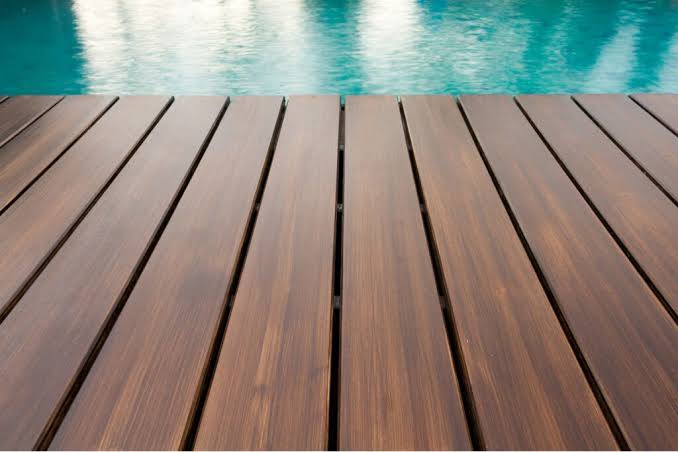
| Wood-Effect Porcelain Planks | Long, narrow tiles (e.g., 1200x300mm or 1200x200mm) mimicking natural timber grain and decking. | Modern garden dining zones, poolside surrounds, and rustic-contemporary patios. |
Slab Cost: £30–£55 / m² Installed Total: £125–£165 / m² Effort: High (requires spacer leveling clips to prevent lippage) |
| Pedestal Dry-Tile System | 20mm slabs mounted dry onto adjustable polypropylene pedestals over a concrete pad or roof deck. | Flat balconies, rooftop terraces, or surfaces with buried utilities. |
Slab Cost: £30–£60 / m² Installed Total: £110–£160 / m² Effort: Low-Moderate (no mortar or wet jointing required) |
| Modular Mixed-Pack Patterns | Multi-sized slab packs (e.g., combining 900×600, 600×600, 600x290mm) laid in staggered bonds. | Traditional or cottage-style gardens seeking organic stone layouts. |
Slab Cost: £25–£50 / m² Installed Total: £120–£160 / m² Effort: High (puzzle-like layout increases labor laying time) |
How to Choose Between Categories
Selection depends on aesthetic goals, space scale, site accessibility, and structural requirements. Standard 900x600mm slabs represent the best overall financial value, providing simple handling and manageable waste factors. Large format slabs suit modern minimalist properties but incur higher labor costs due to their weight and the need for precision sub-base leveling. Wood-effect planks work well when transitioning from indoor timber flooring to outdoor patio spaces, while pedestal systems are essential when installing over damp-proof membranes or elevated roof decks where wet mortar beds are impractical.
Practical Installation & Design Scenarios
Scenario 1: Standard Suburban Rear Garden Patio Replacement (25 m²)
-
Context: Replacing a worn 25 m² concrete block patio in a flat rear garden with standard 900x600x20mm grey porcelain slabs.
-
Component List:
-
Removal and disposal of old concrete flags via skip hire (£250–£350).
-
Excavation to 150mm depth and laying non-woven geotextile membrane.
-
100mm compacted MOT Type 1 sub-base aggregate (£15–£20 / m²).
-
30mm full wet mortar bed (4 parts sharp sand to 1 part cement).
-
SBR slurry primer coat applied to back of every slab.
-
Standard 900x600mm vitrified porcelain slabs (£22 / m²).
-
External tile leveling spacers and 2-part brush-in resin jointing compound (£6–£10 / m²).
-
-
Relevance: Illustrates a typical residential upgrade. Flat site access allows standard daily output rates, keeping installation costs near national averages (£110–£135 per m² total).
Scenario 2: Modern Flush Indoor-Outdoor Seamless Transition (35 m²)
-
Context: Creating a single-level threshold connection between kitchen bi-fold doors and an outdoor porcelain dining terrace.
-
Component List:
-
Deep excavation with subterranean linear slot channel drainage installed along the house wall.
-
Recessed drainage channel tied into the main storm sewer network.
-
1200x600mm large-format rectified porcelain slabs matching indoor tile glaze (£45 / m²).
-
Two-part slurry primer and exterior flexible tile adhesive/mortar bed.
-
Fine-point exterior epoxy or polymer grout matching internal joint lines.
-
-
Relevance: Demonstrates a high-complexity build where drainage management, threshold protection, and large-format tile handling increase specialized labor demands (£150–£190 per m² total).
Scenario 3: Elevated Sloped Garden with Retaining Steps & Edging (30 m²)
-
Context: Constructing a level porcelain dining terrace on a sloped garden requiring retaining wall steps and decorative border edging.
-
Component List:
-
Site earthworks, soil excavation, and installation of a concrete block retaining wall (£85–£200 per m² of wall area).
-
Bullnose porcelain step tread slabs for integrated steps (£20–£40 per linear meter).
-
Aluminum or matching porcelain kerb edging along garden borders (£20–£45 per linear meter).
-
600x600mm anti-slip (R11 rated) porcelain field slabs laid over a reinforced concrete sub-slab.
-
-
Relevance: Highlights how vertical masonry, earth retaining structures, specialized step coping, and sloped site access increase overall project budgets beyond standard flat patio quotes.
                 SCENARIO COMPLEXITY & COST PROFILE

      Standard Garden Patio (25 m²)        Indoor-Outdoor Transition (35 m²)
      +----------------------------+      +---------------------------------+
      | Flat Site Access           |      | Recessed Linear Slot Drainage   |
      | Standard 900x600 Slabs     |      | Threshold Flashing Protection   |
      | National Average Labor     |      | Large Format 1200x600 Slabs     |
      | £110 - £135 / m² Total     |      | £150 - £190 / m² Total          |
      +----------------------------+      +---------------------------------+
Comparison of Scenarios
Scenario 1 achieves standard cost efficiency by utilizing flat ground, standard tile formats, and simple site access. Scenario 2 requires precise engineering to manage threshold drainage, preventing rainwater from penetrating house wall sub-structures. Scenario 3 introduces structural masonry work, step fabrication, and soil management, making vertical hardscaping features a primary driver of total costs.
Comprehensive Budgeting & Cost Considerations

When planning a budget for Porcelain patio slabs installation cost per m2 UK projects, total quotes must account for ground preparation, aggregate materials, specialized chemical consumables, waste management, and regional labor variations. Labor rates in London and South East England typically carry a 20% to 35% premium compared to the Midlands, North England, Wales, or Scotland.
       TYPICAL ALL-IN INSTALLED COST RANGES PER M² (UK)

  Midlands & North England
  [Materials £35-£65] + [Labor & Prep £65-£85]   --->  £100 - £150 / m² Total

  London & South East England
  [Materials £40-£70] + [Labor & Prep £90-£120]  --->  £130 - £190+ / m² Total
Sample Project Budget Model (25 m² Patio, UK Average)
| Category | Cost Range (£) / Effort | Explanation | Optimization Tips |
| Site Excavation & Skip Hire | £350 – £600 | Removal of existing surface, soil excavation to 150mm depth, and waste disposal. | Check if excavated soil can be repurposed elsewhere in garden grading. |
| Sub-Base Aggregates | £300 – £500 | 100mm MOT Type 1 aggregate, sharp sand, Portland cement, and geotextile membrane. | Order bulk bags rather than small bags to reduce material delivery costs. |
| Porcelain Slabs (Supply Only) | £520 – £1,250 | 20mm vitrified porcelain slabs (based on £20–£50/m² plus 10% waste cut allowance). | Select standard 900x600mm formats over large custom shapes to keep waste low. |
| Primers, Spacers & Jointing | £180 – £320 | Polymer slurry primer, tile leveling clips, and exterior resin jointing mortar. | Ensure slurry primer is applied correctly to avoid costly slab delamination later. |
| Installation Labor & Machinery | £1,250 – £2,200 | Skilled landscaper daily rates (£200–£350/day per person; 3–5 days team effort). | Clear side passage access prior to work starting to speed up material transit. |
| Estimated Total Installed | £2,600 – £4,870 | National average total installed range equates to approx. £104 to £195 per m² all-in. | Note: Figures serve as illustrative baseline examples and vary by region and site layout. |
Strategies, Specialized Tools, and Support Systems
Installing porcelain paving differs significantly from traditional sandstone or concrete installations. Professional installers utilize specialized mechanical tools and chemical bonding techniques to ensure structural longevity.
1. Polymer Slurry Primer Application Strategy
-
Description: Applying a 1mm–2mm coat of polymer-modified cementitious slurry primer (SBR or specialized porcelain primer) to the underside of every slab immediately before placement onto the mortar bed.
-
Advantages: Creates a chemical bridge between non-porous vitrified porcelain and the mortar bed, preventing slab lifting or thermal detachment.
-
Disadvantages: Adds £3 to £6 per m² in material cost and requires extra handling labor during laying.
2. Continuous Rim Diamond Wet Blade Cutting
-
Description: Utilizing a bench-mounted wet tile saw or angle grinder fitted with a specialized continuous-rim diamond blade explicitly rated for hard porcelain.
-
Advantages: Produces clean, chip-free edge cuts without fracturing dense, brittle porcelain tiles.
-
Disadvantages: Requires water suppression equipment, personal protective equipment (PPE), and slower cutting speeds compared to cutting soft sandstone.
                  BONDING & CUTTING STRATEGY

        Standard Sandstone Method               Porcelain Vitrified Method
      +---------------------------+          +---------------------------+
      | Natural Porous Stone      |          | Non-Porous Porcelain Tile |
      |---------------------------|          |===========================| <--- Slurry Primer
      | Wet Mortar Bed (Absorbs)  |          | Wet Mortar Bed (Chemical) |
      |---------------------------|          |---------------------------|
      | Mechanical Key Connection |          | Chemical Bond Connection  |
      +---------------------------+          +---------------------------+
3. Tile Leveling Clip & Wedge Systems
-
Description: Plastic interlocking clips and wedges inserted between slab joints during laying, tightened with pliers, and snapped off once mortar sets.
-
Advantages: Eliminates edge “lippage” (uneven height between adjacent tile edges), maintaining a flat surface across large format slabs.
-
Disadvantages: Consumable expense adding £2 to £4 per m²; requires clean joint gaps prior to grout curing.
4. Resin-Bound / Two-Part Epoxy Jointing Compounds
-
Description: Pre-mixed brush-in resin sand or two-part epoxy grouts engineered specifically for narrow (3mm–6mm) outdoor porcelain joints.
-
Advantages: Highly permeable, frost-resistant, wash-out resistant, and prevents weed germination between joints.
-
Disadvantages: Requires completely dry tile surfaces during application to prevent resin haze staining on glaze surfaces.
Common Risks, Structural Pitfalls, and Mitigation
Failing to adhere to specific porcelain installation guidelines can result in early patio failure, tile cracking, or dangerous water accumulation.
+------------------------------------------------------------------------+
|                     RISK & FAILURE MITIGATION MATRIX                   |
+------------------------------------------------------------------------+
| ISSUE / RISK       | ROOT CAUSE               | PREVENTION & MITIGATION|
+--------------------+--------------------------+------------------------+
| Tile Delamination  | Omitting slurry primer;  | Apply SBR slurry coat  |
| / Lifting          | laying slabs directly on | to back of every tile  |
|                    | dry or plain mortar beds.| before laying.   |
+--------------------+--------------------------+------------------------+
| Corner Cracking    | "Spot dabbing" mortar    | Lay tiles on a 100%    |
| & Point Failures   | void pockets underneath  | full solid wet mortar  |
|                    | tile corners.            | bed.             |
+--------------------+--------------------------+------------------------+
| Surface Water      | Inadequate fall/slope    | Ensure a minimum 1:60  |
| Pooling & Ice      | integrated into patio    | fall (approx. 17mm per |
|                    | grading.                 | linear meter) away.    |
+--------------------+--------------------------+------------------------+
| Edge Chipping &    | Using dry segment blades | Use continuous-rim wet |
| Rough Cut Edges    | or excessive blade pressure| diamond blades; cool  |
|                    | during tile cuts.        | blade with water spray.|
+------------------------------------------------------------------------+
Long-Term Maintenance and Management
While porcelain requires significantly less ongoing maintenance than natural stone (eliminating annual sealing requirements), regular upkeep preserves slip resistance and joint stability.
                   PORCELAIN 10-YEAR CARE TIMELINE

  Installation     Quarterly Wash       Bi-Annual Check        Year 5 - 10
  [Initial Set] -> [Warm Water Clear]-> [Joint Inspection] -> [Deep Power Wash]
       |                  |                    |                    |
  Verify Slurry   Sweep Leaf Debris    Inspect Resin Joints   Wash Anti-Slip
  Bond Curing     & Prevent Staining   for Fine Cracks        Texture Surface
Recommended Maintenance Protocols
-
Seasonal Sweeping (Monthly): Sweep away leaves, pine needles, and organic matter using a soft-bristle broom to prevent atmospheric dirt from settling in anti-slip surface textures.
-
General Surface Washing (Quarterly): Clean the surface using warm water and a neutral pH outdoor tile cleaner. Unlike natural sandstone, porcelain is resistant to acid-based cleaners, but harsh chemicals are rarely necessary.
-
Pressure Washing Guidelines: Porcelain can withstand high-pressure jet washing (up to 180 bar) due to its dense, scratch-resistant surface. Direct high-pressure nozzles away from joint lines to avoid eroding brush-in resin compounds.
-
Winter Algae Prevention: Though porcelain is non-porous and resists deep mold penetration, surface biofilm can accumulate in damp, shaded British gardens. Apply a spray-on outdoor cleaner before winter to maintain slip resistance (R11 rating).
Project Documentation and Quality Verification
Maintaining accurate project records helps property owners protect installer warranties, verify British Standards compliance, and present proof of value during property sales.
                 PROJECT DOCUMENTATION DOSSIER

  +-------------------------------------------------------------+
  |  1. Detailed Itemized Contractor Quote & Scope of Work      |
  |  2. Tile Delivery Invoices (Manufacturer, Batch, & Glaze ID)|
  |  3. Technical Data Sheets (20mm Thickness & R11 Slip Rating)|
  |  4. As-Built Photos Showing MOT Sub-Base & Slurry Primer    |
  |  5. Guarantee Certificate for Workmanship & Drainage        |
  +-------------------------------------------------------------+
Illustrative Documentation Examples
Example 1: Resale Valuation & Standards Verification
A homeowner installs a 30 m² porcelain terrace in their garden. They keep an archive containing contractor receipts, MOT Type 1 delivery tickets, and photos documenting the slurry primer application on the back of the slabs. When selling the property, this dossier confirms to the buyer’s surveyor that the patio was laid on a professional full wet bed rather than temporarily spot-dabbed.
Example 2: Batch Matching for Future Extensions
A property owner completes a small 15 m² porcelain patio seating area. Two years later, they decide to extend the paved space by an additional 20 m². Because they kept the original tile batch code and manufacturer product sheet, their landscaper orders matching batch-colored tiles, preventing visual shade variations across the expanded terrace.
Closing Summary
Evaluating the Porcelain patio slabs installation cost per m2 UK landscape requires balancing initial capital expenditure against long-term maintenance savings. While porcelain paving requires a higher initial investment than basic concrete flags or budget sandstone—averaging £100 to £180+ per m² installed—its non-porous composition, frost resistance, and stain resistance eliminate the need for annual sealers or frequent slab replacements. By ensuring installers adhere to full wet mortar beds, apply polymer slurry primers, and install appropriate drainage falls, homeowners secure a durable outdoor living space.
Frequently Asked Questions (FAQ)
What is the average total cost per m2 to install porcelain patio slabs in the UK?
The average total cost to supply and install porcelain patio slabs in the UK ranges from £100 to £180+ per square meter (m²). This includes excavation, MOT Type 1 sub-base, cement mortar, slurry primer, 20mm vitrified porcelain slabs, resin jointing, and professional labor.
Why is labor for installing porcelain slabs more expensive than Indian sandstone?
Porcelain is extremely dense and non-porous, requiring specialized continuous-rim diamond wet saws for cutting and an extra step of applying polymer slurry primer to the back of every slab to ensure adhesion. Additionally, porcelain requires precise leveling clip systems to eliminate edge lippage, increasing laying time and skilled labor requirements.
Can 20mm outdoor porcelain patio slabs be laid directly onto soil or sand?
No, 20mm outdoor porcelain slabs should never be laid directly onto raw soil, loose sand, or artificial turf. Because porcelain lacks the weight and thickness of heavy 50mm concrete flags, it requires a rigid sub-structure consisting of a compacted MOT Type 1 gravel base and a full 30mm wet sand-and-cement mortar bed with slurry primer to prevent cracking under foot traffic.