Composite Decking vs. Pressure-Treated Wood Cost per Sq. Ft. (USA Guide)
Composite Decking vs. Pressure-Treated Wood Cost per Square Foot in the USA
Deciding between composite materials and pressure-treated lumber is one of the most critical decisions a homeowner or property developer makes when planning an outdoor living space. The material chosen dictates not only the initial construction expense, but also long-term maintenance requirements, aesthetic appeal, and structural durability over several decades. Understanding how these options compare in up-front pricing and ongoing lifecycle costs helps property owners make practical, budget-conscious investments tailored to their long-term goals.
Evaluating Composite decking vs pressure treated wood cost per square foot USA (USA) involves looking closely at initial material pricing, local labor expenses, structural framing requirements, and routine maintenance costs. While pressure-treated wood remains the traditional choice due to its low initial material cost, composite materials continue to gain popularity for their minimal maintenance needs and long warranties. This detailed guide breaks down material comparisons, financial planning models, installation scenarios, and long-term maintenance strategies to help you evaluate both decking options effectively.
Understanding Composite Decking vs. Pressure-Treated Wood Cost per Square Foot USA
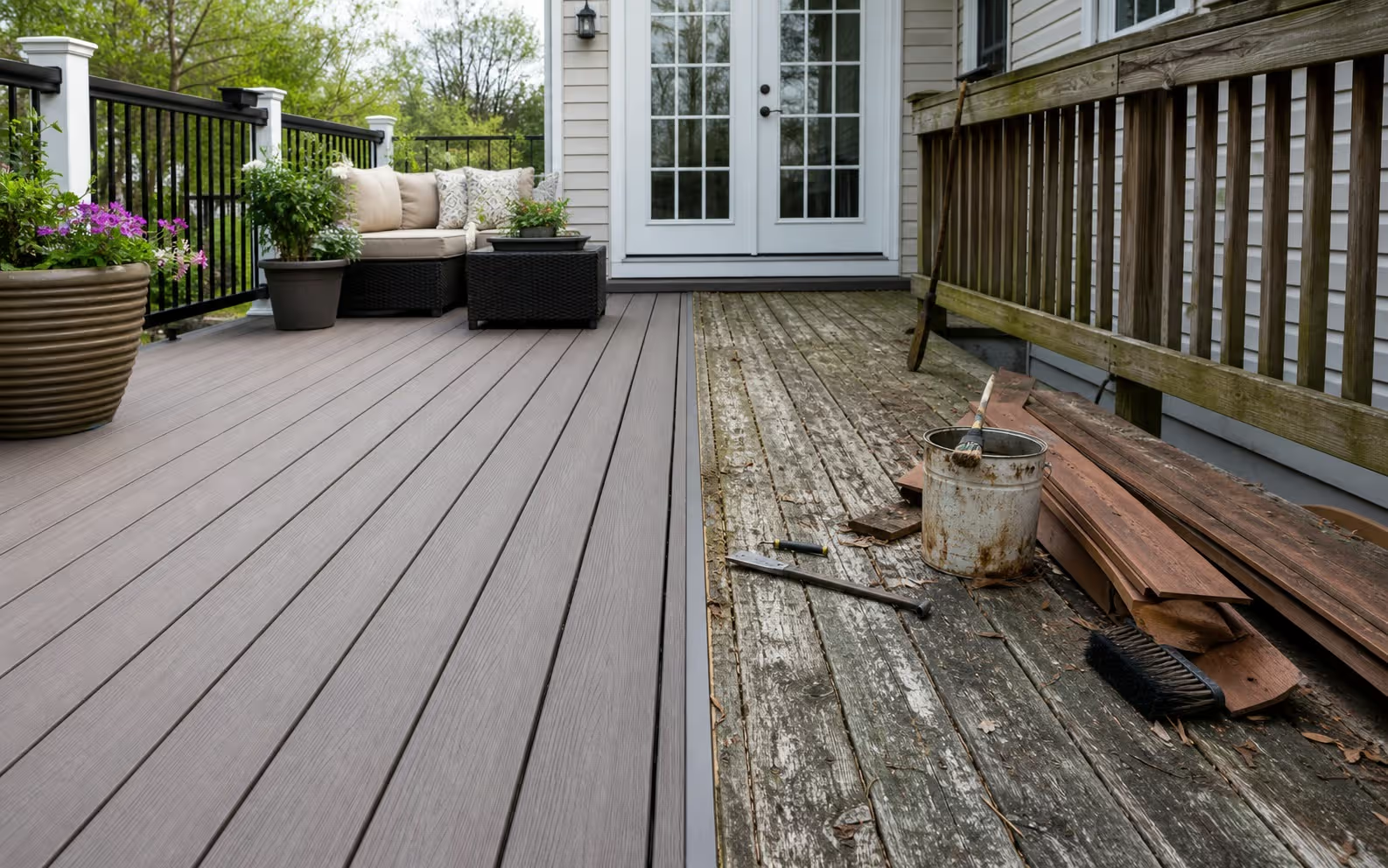
![How Much Does Deck Replacement Cost? [2023]](https://www.timbertech.com/ideas/deck-replacement-cost/media_1aa27dd9fc8f9e549f30a3037ef4fd7762b3e1864.jpg?width=750&format=jpg)
Evaluating Composite decking vs pressure treated wood cost per square foot USA (USA) requires analyzing two distinct manufacturing and financial models. Pressure-treated wood is natural softwood (typically Southern Yellow Pine or Douglas Fir) chemically treated under high pressure with preservatives to resist rot, fungal decay, and wood-boring insects. Because raw timber is widely harvested and processed domestically, its initial cost per square foot remains low. However, its natural organic structure leaves it susceptible to moisture absorption, thermal expansion, warping, splinters, and UV degradation over time.
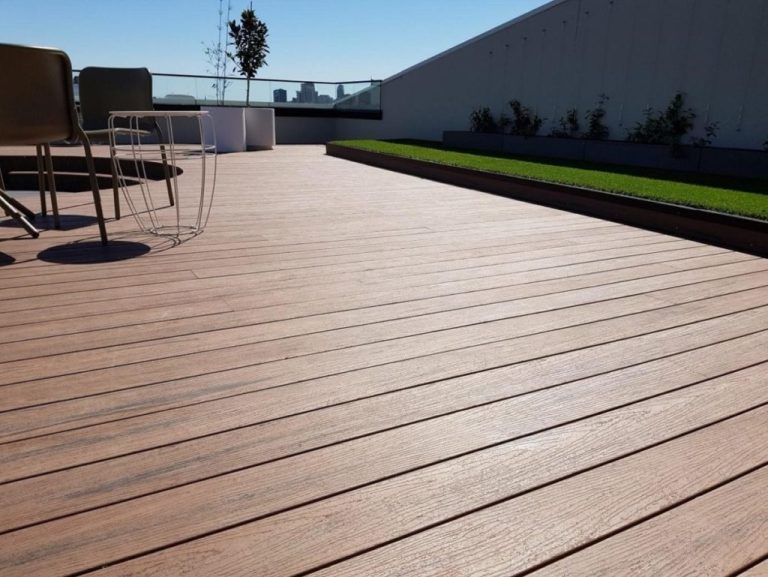
Composite decking is an engineered material manufactured from a blend of recycled plastic resins (such as HDPE or PVC) and reclaimed wood fibers. High-performance composite boards feature a co-extruded outer polymer cap that encapsulates the core on three or four sides. This design makes the material highly resistant to water infiltration, fading, staining, and insect damage. The primary objective when evaluating Composite decking vs pressure treated wood cost per square foot USA (USA) is balancing higher initial capital expenditure against predictable, low long-term maintenance expenses.
                    DECISION MATRIX: LIFECYCLE VS. UPFRONT COST

      [ Pressure-Treated Wood ]             [ Capped Composite Decking ]
      +-----------------------+             +--------------------------+
      | Low Initial Cost      |             | High Initial Cost        |
      | High Maintenance      |             | Low Maintenance          |
      | Organic / Splinters   |             | Engineered / Uniform     |
      | 10–15 Year Lifespan   |             | 25–30+ Year Lifespan     |
      +-----------------------+             +--------------------------+
                 |                                       |
                 +-------------------+-------------------+
                                     |
                          [ 10-Year Total Cost ]
                        Often Normalizes Across
                          Both Material Types
Key Material Categories & Options
When planning a decking project in the United States, several material tiers exist within both the wood and composite categories. The baseline structural substructure (joists, posts, and beams) is almost universally built using pressure-treated lumber due to its structural strength and affordability, regardless of whether natural wood or composite boards are installed on top.
| Category / Type | Description | Common Use Case | Relative Cost & Effort Level |
| Standard Pressure-Treated Wood (#2 Grade) | Chemical-infused pine with visible knots and natural grain variations. | Budget-conscious residential decks, temporary structures, and rental properties. |
Cost: Low ($2.50–$4.50/sq. ft. materials) Effort: High (requires frequent sealing/staining) |
| Premium / Select Pressure-Treated Wood | Higher-grade pine with fewer knots, pre-dried (KDAT) to reduce warping. | High-traffic family decks seeking natural wood look with better stability. |
Cost: Moderate ($4.00–$6.50/sq. ft. materials) Effort: High (regular maintenance required) |
| Basic Uncapped / Entry Composite | Wood-plastic composite without protective outer cap layer. | Budget composite installations in low-moisture environments. |
Cost: Moderate ($5.00–$8.00/sq. ft. materials) Effort: Low-Moderate (susceptible to staining) |
| Mid-Tier Capped Composite | Core blend encapsulated in polymer shell on 3 sides with realistic grain textures. | Standard residential decks balancing durability, style, and long warranties. |
Cost: High ($8.00–$12.00/sq. ft. materials) Effort: Low (periodic wash only) |
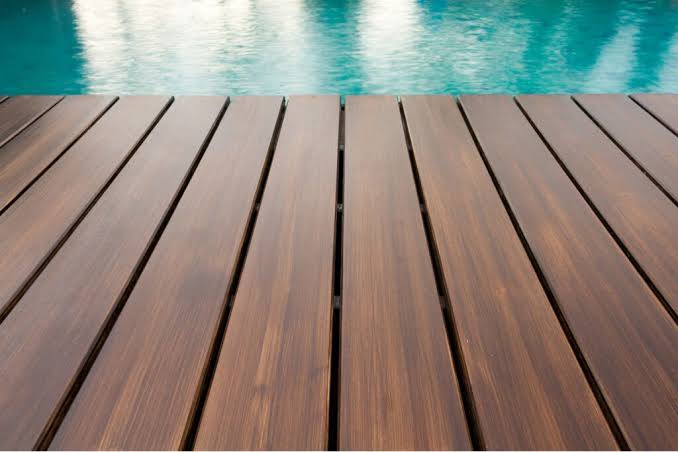
| High-End / Capped Polymer (PVC) | Advanced non-wood PVC or 4-side capped composite with wood-grain aesthetics. | Luxury installations, poolside decking, and coastal regions with high humidity. |
Cost: Very High ($12.00–$18.00+/sq. ft. materials) Effort: Very Low (scratch and heat resistant) |
How to Choose Between Material Options
Selecting the right material depends on intended property ownership duration, climate exposure, and physical maintenance capacity. Property owners planning to keep a home for fewer than five years often opt for premium pressure-treated wood to minimize upfront costs while maintaining curb appeal. Conversely, owners planning to stay long-term, or those building in humid, coastal, or high-UV regions, typically benefit from capped composite or PVC options due to reduced labor and maintenance demands over time.
Practical Installation & Design Scenarios
Scenario 1: Standard Ground-Level Suburban Deck (14×20 ft / 280 sq. ft.)
-
Context: A flat suburban backyard requiring a low-profile platform deck accessed via a single step from a rear patio door.
-
Component List:
-
Ground-contact pressure-treated joists ($2.00–$3.00/sq. ft.)
-
Surface decking boards (Pressure-treated pine vs. Entry composite)
-
Surface-driven exterior deck screws or hidden deck fasteners
-
Perimeter fascia boards
-
-
Relevance: Ground-level builds have limited ventilation underneath. Selecting materials that handle ground-level moisture without rotting or warping is essential.
Scenario 2: Elevated Second-Story Deck with Railings (16×20 ft / 320 sq. ft.)
-
Context: An elevated deck attached to a second-story living space requiring support posts, stairs, and code-compliant guardrail systems.
-
Component List:
-
Heavy-duty support posts ($6×6 pressure-treated), ledger board, and flashing
-
High-grade surface decking boards
-
Code-compliant railing system (composite posts with aluminum balusters or wooden balusters)
-
Stringers, treads, and risers for stairs
-
-
Relevance: Elevated decks incur significant structural and safety labor costs. Material choice directly impacts total weight, joist spacing needs, and railing integration.
Scenario 3: High-Humidity Coastal or Poolside Deck (12×16 ft / 192 sq. ft.)
-
Context: A deck surrounding a swimming pool or exposed to ocean air, intense UV radiation, and constant splash zones.
-
Component List:
-
Marine-grade stainless steel hardware and fasteners
-
4-sided capped composite or PVC decking boards (heat and slip-resistant)
-
Composite or aluminum railing with moisture-proof mounting brackets
-
-
Relevance: Harsh environmental conditions accelerate wood decay, nail popping, and splintering. Non-porous materials are critical for long-term safety and structural integrity.
                  SCENARIO STRUCTURAL COMPARISON

      Ground-Level (280 sq ft)     Elevated + Stairs (320 sq ft)
      +----------------------+     +----------------------------+
      | Low Structural Cost  |     | High Structural & Post Cost|
      | High Moisture Risk   |     | Safety/Code Compliant Rail |
      | Simple Fastening     |     | Complex Framing Labor      |
      +----------------------+     +----------------------------+
Comparative Analysis of Scenarios
Ground-level decks yield the lowest total cost but demand materials with strong moisture resistance. Elevated decks shifting to composite decking see a smaller percentage increase in total project cost because structural labor, posts, framing, and code compliance remain constant regardless of the surface material chosen. Coastal and poolside applications offer the highest return on investment for high-end composite or PVC materials, as wood degrades quickly under continuous water exposure.
Planning, Cost, or Resource Considerations

Accurate budgeting requires separating surface material expenses from underlying structural framing, local permits, and labor costs. Across the United States, labor for deck construction averages $15.00 to $35.00 per square foot, depending on regional market dynamics and project complexity.
        COMPOSITE VS. PRESSURE-TREATED: TOTAL INSTALLED COST RANGE

  Pressure-Treated Wood
  [Material $10-$18] + [Labor $15-$25]  --->  $25 - $43 / sq. ft. Total

  Mid-Tier Capped Composite
  [Material $18-$28] + [Labor $17-$30]  --->  $35 - $58 / sq. ft. Total
Sample Project Budget Model (300 sq. ft. Deck, USA Average)
| Category | Pressure-Treated Wood | Mid-Tier Composite | Explanation & Optimization Tips |
| Substructure Framing | $1,200 – $1,800 | $1,200 – $1,800 | Includes joists, beams, concrete footings, and hardware. Framing is almost identical for both. |
| Surface Decking Boards | $900 – $1,500 | $2,700 – $3,900 | Main difference in raw material pricing per square foot. |
| Fasteners & Hardware | $150 – $300 | $350 – $600 | Composite uses specialized hidden fastener clips; wood uses exterior screws. |
| Railings & Stairs | $800 – $1,400 | $1,800 – $3,200 | Wood railings are economical; composite or aluminum systems add material cost. |
| Installation Labor | $4,500 – $7,500 | $5,100 – $8,500 | Composite labor is slightly higher due to precise handling and hidden clip installation. |
| Initial Staining/Sealing | $400 – $800 | $0 | Wood requires drying time and initial sealing post-installation. |
| Estimated Total Installed Cost | $7,950 – $13,300 | $11,150 – $18,000 | Figures are baseline estimates (approx. $26–$44/sq.ft. for wood vs. $37–$60/sq.ft. for composite). |
Strategies, Tools, or Support Options
Choosing the right structural strategy and fastening system impacts long-term installation stability and ongoing maintenance needs.
1. Traditional Face-Screwing Strategy
-
Description: Fastening deck boards directly through the top surface into underlying joists using coated exterior screws.
-
Advantages: Straightforward, cost-effective, and allows easy removal of individual boards if damage occurs.
-
Disadvantages: Leaves exposed screw heads that can accumulate water, cause splintering in wood, or mushroom in composite boards.
2. Hidden Clip Fastening Systems
-
Description: Plastic or stainless-steel clips fitted into grooved board edges, secured to framing joists out of sight.
-
Advantages: Creates a smooth surface free of visible screw heads, ensures uniform spacing, and reduces water intrusion points.
-
Disadvantages: Higher initial hardware costs and slightly longer installation time.
       FACE-SCREWING                           HIDDEN CLIP
    +-----------------+                     +-----------------+
    |   [v]     [v]   |  <-- Exposed Screws |     [   ]       |  <-- Clean Surface
    |=================|                     |======|===|======|
    |      Joist      |                     |      |Clip|     |
    +-----------------+                     +-----------------+
3. Joist Tape & Substructure Protection
-
Description: Self-adhesive butyl or asphalt tape applied along the top edge of wooden framing joists before board installation.
-
Advantages: Prevents water from settling in screw holes and joist tops, extending framing life to match 25+ year composite warranties.
-
Disadvantages: Adds $100–$250 in material expense and requires meticulous surface preparation.
4. Kiln-Dried After Treatment (KDAT) Wood Strategy
-
Description: Pressure-treated lumber dried in a kiln before sale to remove excess moisture infused during treatment.
-
Advantages: Significantly reduces warping, shrinking, and cupping post-installation; can be stained immediately.
-
Disadvantages: Costs 30% to 50% more than standard wet pressure-treated pine.
Safety, Risks, or Common Challenges
When evaluating Composite decking vs pressure treated wood cost per square foot USA (USA), long-term performance risks must be accounted for during design and installation:
+-----------------------------------------------------------------------+
|                    COMMON RISKS & PREVENTION MATRIX                   |
+-----------------------------------------------------------------------+
| RISK ISSUE         | ROOT CAUSE              | MITIGATION STRATEGY    |
+--------------------+-------------------------+------------------------+
| Thermal Expansion  | Composite expands in    | Follow manufacturer    |
| & Contraction      | heat, contracts in cold | gapping rules at butt  |
|                    |                         | joints and structures. |
+--------------------+-------------------------+------------------------+
| Surface Heat       | Dark composite absorbs  | Choose lighter colors  |
| Retention          | direct sunlight         | or cooler PVC blends   |
|                    |                         | for bare feet.         |
+--------------------+-------------------------+------------------------+
| Moisture Trap      | Wood boards installed   | Maintain 1/8 to 1/4"  |
| & Rot              | too close together      | side-to-side spacing   |
|                    |                         | for water drainage.    |
+--------------------+-------------------------+------------------------+
| Joist Spacing      | Composite used on 24"   | Keep joists at 16"     |
| Sagging            | center wood framing     | center (12" diagonal). |
+-----------------------------------------------------------------------+
Maintenance, Best Practices, or Long-Term Management
A core factor in assessing Composite decking vs pressure treated wood cost per square foot USA (USA) is the recurring maintenance required over a 10 to 20-year lifespan.
                   10-YEAR MAINTENANCE TIMELINE

  Pressure-Treated Wood:
  Year 1       Year 2       Year 4       Year 6       Year 8       Year 10
  [Stain/Seal] [Clean]      [Stain/Seal] [Stain/Seal] [Stain/Seal] [Stain/Seal]
  (Requires ongoing sanding, washing, and re-application of protective stain)

  Capped Composite Decking:
  Year 1       Year 2       Year 4       Year 6       Year 8       Year 10
  [Wash]       [Wash]       [Wash]       [Wash]       [Wash]       [Wash]
  (Requires only periodic soap-and-water scrub or mild pressure wash)
Ongoing Maintenance Protocol Checklist
For Pressure-Treated Wood Decks:
-
Annual Inspection: Check for popped screws, raised nail heads, splitting boards, and signs of rot around ledger boards and posts.
-
Deep Cleaning (Every 12–18 Months): Apply an exterior wood cleaner or brightener and scrub to remove mildew, tannins, and ground-in dirt.
-
Staining & Sealer Re-Application (Every 2–3 Years): Apply a high-quality semi-transparent or solid oil/water-based stain to block UV rays and repel water.
For Composite Decks:
-
Seasonal Cleaning (Bi-Annually): Wash with warm soapy water and a soft-bristle brush to clear pollen, leaves, and surface debris.
-
Spot Maintenance: Promptly clean food spills, grease, or oil stains using household degreasers to prevent surface discoloration.
-
Clear Airflow Path: Keep the gaps between boards clear of leaves and debris to maintain proper drainage and prevent mold growth on joists.
Documentation, Reporting, or Tracking Project Outcomes
Maintaining thorough project documentation protects warranties, assists with future home sales, and simplifies long-term property maintenance.
                   PROJECT DOCUMENTATION DOSSIER

  +---------------------------------------------------------------+
  |  1. Material Invoices & Receipts                              |
  |  2. Contractor Agreements & Permits                           |
  |  3. Manufacturer Warranty Certificates (10-30 yr)             |
  |  4. As-Built Structural Layout Sketches                       |
  |  5. Annual Maintenance & Staining Logs                        |
  +---------------------------------------------------------------+
Practical Documentation Examples
Example 1: Homeowner Warranty Dossier
A homeowner installs a mid-tier composite deck. They create a digital folder containing the contractor’s original invoice, city building permit, receipt for hidden fasteners, and the manufacturer’s 25-year stain-and-fade warranty card. When selling the home seven years later, providing these verified records justifies a higher asking price.
Example 2: Landlord Maintenance Tracking Log
A rental property owner installs a pressure-treated pine deck. They maintain a simple spreadsheet logging each stain application, cost incurred ($450 every two years), and contractor receipts. This log helps track ongoing maintenance expenses accurately for tax deductions and capital depreciation.
Closing Summary
When comparing Composite decking vs pressure treated wood cost per square foot USA (USA), pressure-treated wood offers an affordable upfront cost ($25–$43/sq. ft. installed) but requires ongoing maintenance expenses and labor every few years. Composite decking carries a higher initial investment ($35–$60+/sq. ft. installed) but balances this with minimal maintenance needs and long manufacturer warranties (25–30+ years). Balancing your project budget, local climate demands, maintenance availability, and long-term property plans will help you select the ideal decking material for your outdoor living space.
Frequently Asked Questions (FAQ)
Is composite decking worth the extra upfront cost compared to pressure-treated wood?
For property owners planning to remain in their home for more than 5 to 7 years, composite decking often recovers its initial price difference by eliminating the recurring cost of stains, sealers, sanding equipment, and structural board replacements.
Can you install composite decking boards over an existing wooden framing structure?
Yes, provided the existing frame is structurally sound, free of rot, and code-compliant. However, composite boards require joist spacing of no more than 16 inches on center (12 inches for diagonal layouts), and applying joist tape to exposed wood frames is strongly recommended.
How much hotter does composite decking get compared to pressure-treated wood in direct sunlight?
First-generation or dark-colored composite decking can get significantly hotter under direct summer sunlight than natural wood. However, modern light-colored capped composites and advanced PVC boards incorporate heat-reflective pigments that remain comfortable underfoot.