Hardwood vs ModWood Decking Cost per m2 Australia Guide
Hardwood Decking vs. ModWood Composite Decking Cost per m2 in Australia
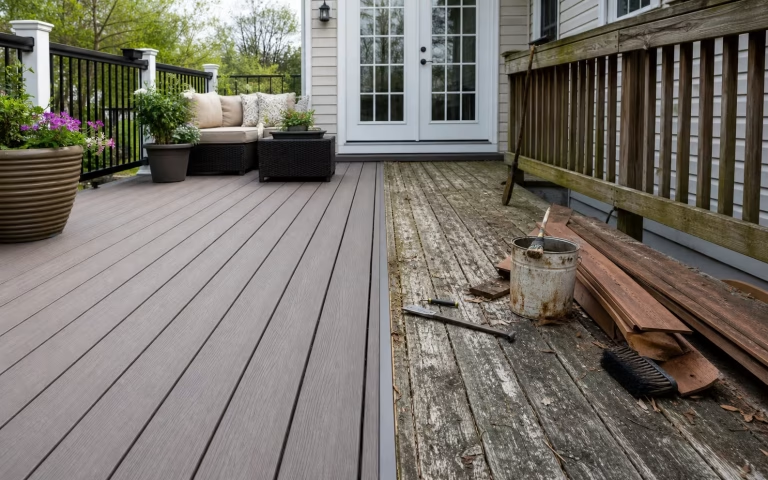
Constructing an outdoor deck is one of the most popular ways for Australian property owners to extend their living space and capitalize on favorable weather. When selecting materials, builders and homeowners frequently compare traditional native Australian hardwoods—such as Spotted Gum, Blackbutt, Merbau, and Jarrah—against manufactured wood-plastic composite alternatives like ModWood. Both material classes offer distinct structural properties, aesthetic characteristics, and maintenance demands that directly influence both upfront installation budgets and long-term operating costs.
Evaluating Hardwood decking vs ModWood composite decking cost per m2 Australia requires looking past the initial retail price per lineal meter or square meter. A complete financial analysis incorporates substructure framing materials, specialized fastening systems, site preparation, professional installation labor, Bushfire Attack Level (BAL) compliance, and recurring maintenance expenses like oiling, sanding, and cleaning over a 15- to 30-year lifespan. This guide provides an objective, comprehensive breakdown of material specifications, cost structures, practical scenarios, and maintenance guidelines across the Australian market.
Overview of Hardwood Decking vs ModWood Composite Decking Cost per m2 Australia
Understanding the core concepts of Hardwood decking vs ModWood composite decking cost per m2 Australia requires examining the fundamental physical differences between harvested timber and engineered composite boards. Australian native hardwoods are naturally dense, high-durability timbers (often Durability Class 1 or 2) harvested from managed forests. Species like Spotted Gum, Ironbark, and Blackbutt offer high natural resistance to rot, weathering, and insect attack. However, as organic timber, hardwood absorbs and releases atmospheric moisture, leading to natural movement, tannin leaching, surface checking, and color fading if left unsealed.
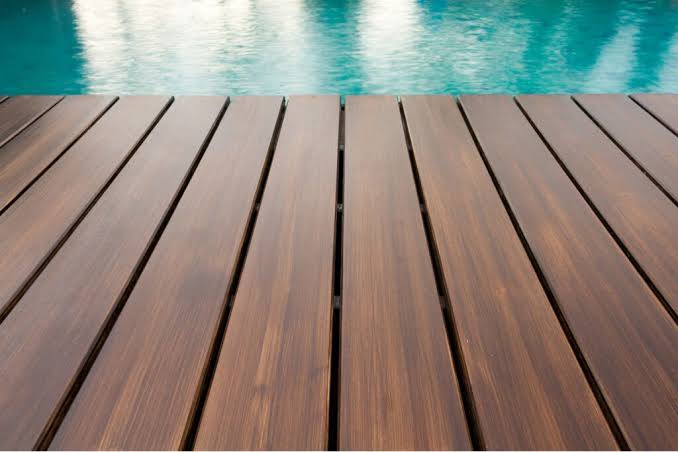
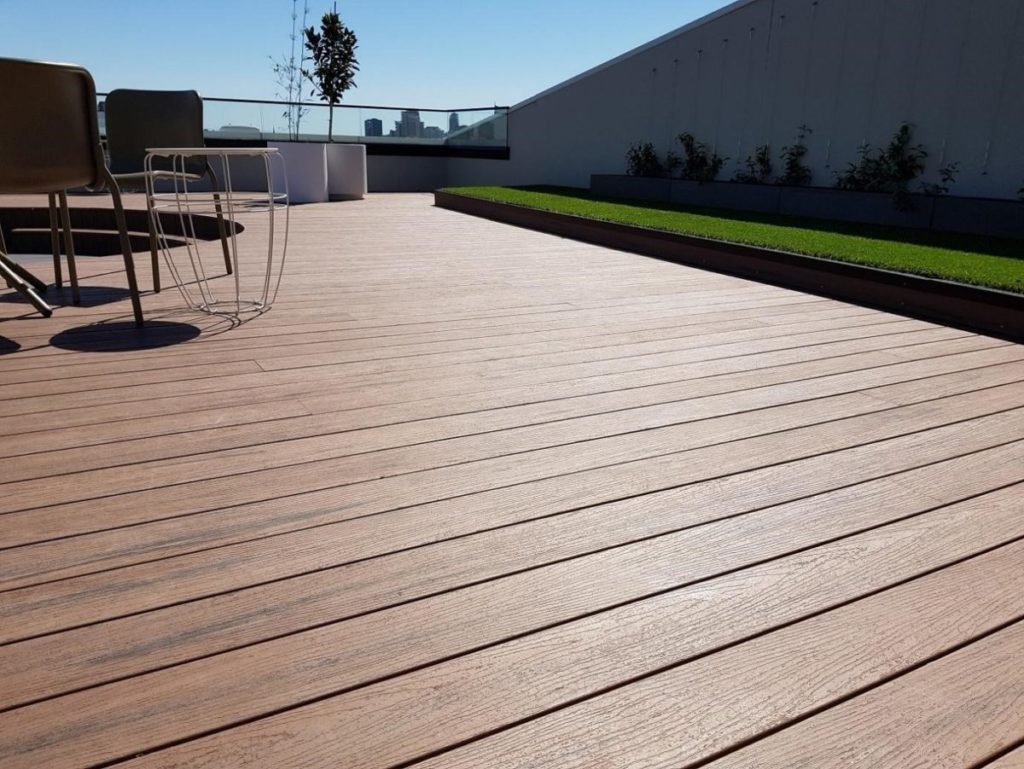
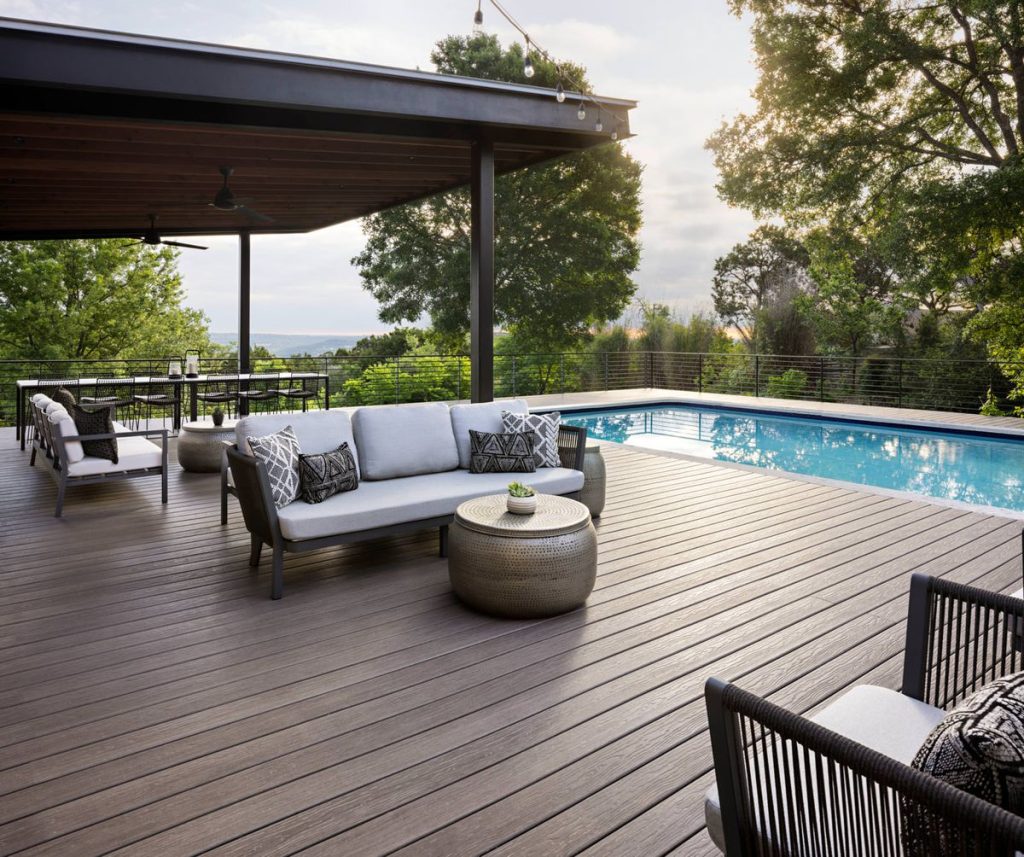
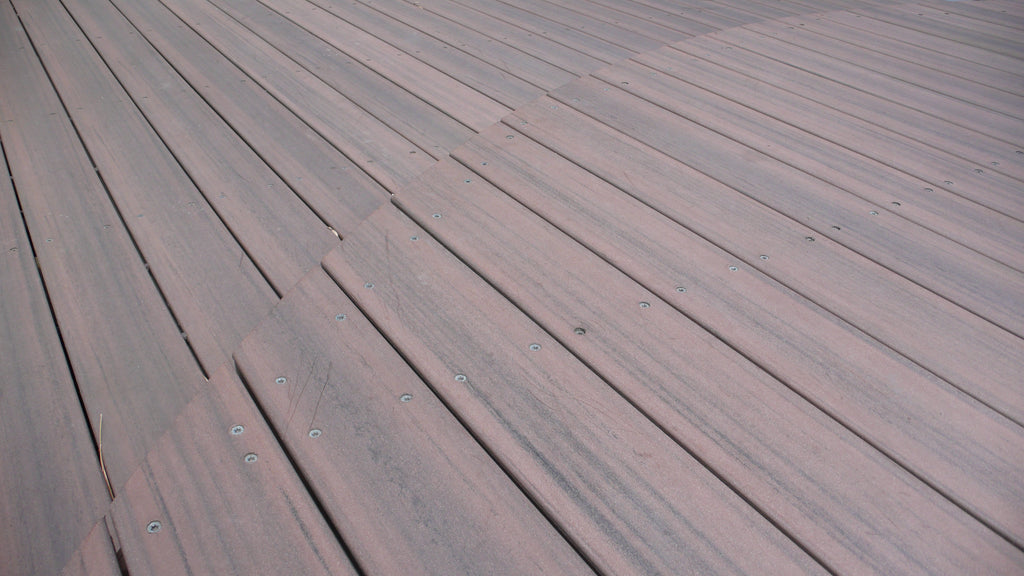
ModWood is an Australian-made wood-plastic composite (WPC) manufactured from a blend of recycled ground wood flour and reclaimed high-density polyethylene (HDPE) plastics. It is engineered to provide a uniform plank appearance that resists splintering, rotting, termite damage, and moisture absorption without requiring oiling, painting, or staining. ModWood boards are available in solid and grooved profiles, standard and wide widths (such as 88x23mm and 137x23mm), and flame-retardant variants like the Xtreme Guard (XTG) range suited for high bushfire risk areas.
                 DECISION MATRIX: LIFECYCLE VS. UPFRONT COST

      [ Australian Native Hardwood ]             [ ModWood Composite Decking ]
      +----------------------------+             +---------------------------+
      | Variable Material Pricing  |             | Consistent Manufactured $ |
      | Higher Labor (Pre-Drill)   |             | Fast Labor (Klevaklip)    |
      | Tannin Leaching & Check    |             | Zero Tannins / Splinters  |
      | Annual Oiling & Care       |             | Low Wash-Only Maintenance |
      | 15–25+ Year Lifespan       |             | 10–25 Year Warranty       |
      +----------------------------+             +---------------------------+
                    |                                          |
                    +--------------------+---------------------+
                                         |
                            [ 8 to 12-Year Parity Point ]
                         Cumulative Maintenance Normalizes
                          Total Cost of Ownership (TCO)
Across Australia, supply-only material costs for hardwood decking boards generally range from $60 to $180 per m² depending on species, grade, and board width. ModWood decking boards typically cost between $90 and $160 per m² for supply. When factoring in substructure framing (treated pine or steel), fixings, and professional trade labor, total installed rates average $280 to $500 per m² for hardwood and $320 to $480 per m² for ModWood. While hardwood is often less expensive to buy upfront in basic grades, ModWood often closes the total cost gap within 8 to 12 years by eliminating annual timber staining and oiling expenses.
Key Categories, Material Variations, and System Options
Evaluating Hardwood decking vs ModWood composite decking cost per m2 Australia options involves comparing various hardwood timber species and ModWood board configurations.
| Category / Type | Description | Common Use Case | Time / Cost / Effort Level |
| Standard Hardwood (Merbau / Jarrah) | Imported or native dense timbers (85–90mm width) with rich reddish-brown hues and class 1-2 durability. | Suburban residential decks, verandahs, and patio extensions on a moderate budget. |
Material Cost: $60–$90 / m² Installed Total: $280–$420 / m² Effort: High (pre-drilling and annual oiling) |
| Premium Native Hardwood (Spotted Gum / Blackbutt) | High-density Australian eucalyptus species (86–135mm width) with interlocked grain and high natural BAL rating. | Architectural homes, bushfire-prone zones (up to BAL-29), and luxury alfresco areas. |
Material Cost: $90–$180 / m² Installed Total: $350–$550+ / m² Effort: High (heavy timber handling and pre-drilling) |
| Standard ModWood (Natural Grain 88x23mm) | Entry-level composite board featuring a brushed timber-grain texture and un-capped WPC core. | General residential pool surrounds, garden walkways, and low-maintenance patio decks. |
Material Cost: $90–$120 / m² Installed Total: $320–$420 / m² Effort: Low-Moderate (uses Klevaklip system) |
| Wide-Board ModWood (Natural Grain 137x23mm) | Wider composite profile designed to cover larger square meterages faster with fewer visible joint lines. | Medium to large outdoor entertaining platforms and commercial boardwalks. |
Material Cost: $110–$140 / m² Installed Total: $350–$460 / m² Effort: Low-Moderate (fast coverage) |
| ModWood Xtreme Guard (XTG Range) | Capped composite board with an advanced polymer shell for superior fade, stain, and scratch resistance. | High-traffic entertainment decks, full-sun exposures, and seaside properties. |
Material Cost: $130–$170 / m² Installed Total: $380–$500+ / m² Effort: Low-Moderate (low ongoing care) |
How to Choose Between Material Variations
Choosing between natural timber and composite options depends primarily on maintenance willingness, site climate, proximity to swimming pools, and architectural preference. Homeowners seeking natural grain variation, warm organic aesthetics, and low initial board prices often select standard Australian hardwoods or Merbau. Conversely, property owners seeking a splinter-free surface around swimming pools, zero tannin bleeding onto adjacent stone, and freedom from annual sanding or oiling generally opt for ModWood or ModWood XTG profiles.
Practical Scenarios or Thematic Applications
Scenario 1: Standard Ground-Level Suburban Deck (30 m²)
-
Context: A flat suburban backyard in Melbourne or Sydney replacing a worn lawn with a 30 m² outdoor dining platform connected to an alfresco area.
-
Component List:
-
H3 treated pine subframe joists (450mm centers for timber; 400mm max for ModWood)
-
Surface decking boards (90x19mm Spotted Gum vs. ModWood 137x23mm Natural Grain)
-
Fastening hardware (304 stainless steel face screws vs. Klevaklip hidden fastening system)
-
Perimeter fascia boards and edge trims
-
-
Relevance: Demonstrates a baseline residential installation where subframe costs remain relatively uniform, highlighting the impact of board pricing and labor time on the overall quote.
Scenario 2: Elevated Sloped-Block Deck with Railings & Stairs (40 m²)
-
Context: Constructing an elevated second-story deck on a sloping block requiring concrete footings, structural posts, safety balustrades, and stairs.
-
Component List:
-
Concrete stump footings with steel stirrups and H4 treated pine support posts
-
Heavy-duty bearer and joist subframe matrix
-
Surface decking (137x19mm Blackbutt vs. ModWood 137x23mm XTG Fire Brick)
-
Powder-coated aluminum balustrade system with stainless steel wire infill
-
-
Relevance: Illustrates how structural posts, site excavation, and safety balustrades increase total project expenses, making the material choice a smaller percentage of the total budget.
Scenario 3: Poolside Surround adjacent to Light Travertine Paving (25 m²)
-
Context: Building a low-clearance deck surrounding an in-ground saltwater swimming pool adjoining light-colored natural stone paving.
-
Component List:
-
Low-clearance aluminum or ground-contact treated pine substructure with joist tape
-
316 marine-grade stainless steel fixings and clips
-
Surface decking (ModWood 88x23mm Silver Gum vs. Pre-oiled Jarrah)
-
-
Relevance: Highlights a sensitive application where tannin runoff from un-aged hardwood presents a risk of staining adjacent travertine stone, making non-bleeding ModWood a functional choice.
                 SCENARIO ENGINEERING & COST COMPARISON

      Ground-Level (30 m²)             Elevated + Stairs (40 m²)
      +----------------------+         +----------------------------+
      | Low Subframe Expense |         | High Post & Footing Cost   |
      | Standard Joist Grid  |         | Safety Balustrade Required |
      | Fast Trade Execution |         | Structural Engineering     |
      | $280 - $420 / m²     |         | $400 - $600+ / m²          |
      +----------------------+         +----------------------------+
Comparison of Scenarios
Scenario 1 allows the initial material and labor differences between hardwood and ModWood to show clearly in contractor quotes. In Scenario 2, structural engineering, concrete footings, and balustrades account for most of the overall expenditure, reducing the percentage impact of the decking material selection. Scenario 3 focuses on risk mitigation—such as preventing tannin stains and pool chemical corrosion—where performance characteristics take priority over upfront board cost.
Planning, Cost, or Resource Considerations
Accurately evaluating Hardwood decking vs ModWood composite decking cost per m2 Australia requires separating upfront supply and construction costs from long-term operating costs. Across Australia, licensed decking carpenters charge between $80 and $120 per hour or $100 to $180 per m² for labor alone, depending on site access, region, and structural complexity.
        MATERIAL VS. INSTALLED COST RANGES (AUSTRALIAN AVERAGES)

  Standard Native Hardwood (e.g., Merbau / Jarrah)
  [Board Material $60-$90] + [Framing & Labor $220-$330]  --->  $280 - $420 / m² Total

  Premium Native Hardwood (e.g., Spotted Gum / Blackbutt)
  [Board Material $90-$180] + [Framing & Labor $260-$370] --->  $350 - $550+ / m² Total

  ModWood Composite (Natural Grain / XTG Range)
  [Board Material $90-$170] + [Framing & Labor $230-$330] --->  $320 - $500 / m² Total
Sample Project Budget Model (30 m² Deck, Australian Averages)
| Category | Native Hardwood (Spotted Gum) | ModWood Composite (Natural) | Financial & Operational Notes |
| Subframe Timber & Concrete | $1,200 – $1,800 | $1,200 – $1,800 | H3 treated pine joists (450mm vs 400mm centers), bearers, and posts. |
| Decking Boards (30 m² + 10% Waste) | $3,300 – $5,400 | $3,000 – $4,200 | Board supply (Spotted Gum $100–$160/m² vs ModWood $90–$130/m²). |
| Fasteners & Hardware | $300 – $500 | $450 – $800 | Stainless face screws (Hardwood) vs Klevaklip hidden clips (ModWood). |
| Trade Labor (Carpenter) | $3,000 – $5,100 | $2,700 – $4,200 | Hardwood labor is higher due to pre-drilling every fixing point. |
| Initial Coating / Cleaning | $300 – $500 | $0 | Tannin wash, timber cleaner, and initial oil coat for hardwood. |
| Estimated Upfront Cost | $8,100 – $13,300 | $7,350 – $11,000 | Upfront Installed Total (~$270–$440/m² Hardwood vs $245–$365/m² ModWood). |
| Est. 10-Year Maintenance Cost | $3,500 – $6,500 | $200 – $500 | Hardwood oil & cleaner ($350–$650/yr) vs ModWood soap wash ($20–$50/yr). |
| 10-Year Total Cost of Ownership | $11,600 – $19,800 | $7,550 – $11,500 | ModWood provides total cost savings over a 10-year lifecycle. |
Note: Figures serve as illustrative national baseline averages in AUD (including GST) and may vary based on site access, geographic location, council permits, and trade availability.
Strategies, Tools, or Support Options
Choosing appropriate installation hardware and board handling methods affects both initial construction speed and long-term structural performance.
1. Klevaklip Hidden Fastening System (ModWood)
-
Description: A continuous metal or polypropylene clip track fixed along joists that holds grooved ModWood boards from underneath without visible face screws.
-
Advantages: Creates a smooth, screw-free deck surface, automatically sets uniform expansion gaps, and speeds up board installation.
-
Disadvantages: Increases hardware material costs and requires careful joist alignment during initial subframe layout.
2. Pre-Drilling and Countersinking (Hardwood)
-
Description: Drilling pilot holes and countersinking every screw location before driving stainless steel screws into dense Australian hardwood boards.
-
Advantages: Prevents timber splitting at board ends, reduces screw head shearing, and ensures a flush finish.
-
Disadvantages: Increases trade labor hours and installation cost per square meter.
       FACE-SCREWED HARDWOOD                     KLEVAKLIP MODWOOD
    +------------------------------+       +------------------------------+
    |   [v]                  [v]   |       |        [   ]                 |
    |==============================|       |========|===|=================|
    |      Subframe Joist          |       |        |Clip| Subframe Joist |
    +------------------------------+       +------------------------------+
    (Pre-drilled exposed screws)           (Clean surface; auto spacing)
3. Joist Protection Flashing Tape
-
Description: A self-adhesive butyl rubber tape applied across the top face of timber subframe joists prior to board attachment.
-
Advantages: Prevents water from pooling in joist screw holes, extending subframe structural life to match composite warranties.
-
Disadvantages: Adds $100 to $250 in material costs for a standard residential deck.
4. Tannin Extraction and Weathering Strategy (Hardwood)
-
Description: Applying specialized chemical cleaners or allowing 6 to 8 weeks of natural rainfall weathering to extract surface tannins before applying sealer.
-
Advantages: Opens wood pores for better oil absorption and reduces tannin staining on surrounding hardscaping.
-
Disadvantages: Delays final project completion and requires careful containment near stone or concrete.
Common Risks, Structural Pitfalls, and Mitigation
Both natural hardwood and manufactured ModWood composite present distinct installation and environmental risks under Australian climate conditions.
+------------------------------------------------------------------------+
|                     RISK & FAILURE MITIGATION MATRIX                   |
+------------------------------------------------------------------------+
| ISSUE / RISK       | ROOT CAUSE               | PREVENTION & MITIGATION|
+--------------------+--------------------------+------------------------+
| Thermal Expansion  | ModWood boards laid end- | Maintain 4–6mm side and|
| & Board Buckling   | to-end without adequate  | 6–10mm end expansion   |
|                    | expansion gaps [1.1.3].  | gaps per spec [1.1.3]. |
+--------------------+--------------------------+------------------------+
| Tannin Bleeding &  | Hardwood extractives     | Pre-wash timber or use |
| Stone Staining     | leaching in rain onto    | non-bleeding ModWood   |
|                    | light pavers [1.2.2].    | near stone [1.1.2].    |
+--------------------+--------------------------+------------------------+
| Subframe Joist     | Installing ModWood on    | Reduce joist spacing to|
| Sagging / Flexing  | 600mm centers meant for  | 400mm max for ModWood  |
|                    | thick timber [1.1.3].    | boards [1.1.3, 1.1.4]. |
+--------------------+--------------------------+------------------------+
| Surface Checking   | Hardwood un-oiled, dried | Apply quality oil every|
| & Splintering      | out under intense        | 12 months; scrub with  |
|                    | Australian UV [1.2.2].   | cleaner [1.2.2, 1.2.5].|
+------------------------------------------------------------------------+
Long-Term Maintenance and Management
A key consideration in the Hardwood decking vs ModWood composite decking cost per m2 Australia comparison is the ongoing maintenance required over a 10- to 20-year lifespan.
                    10-YEAR MAINTENANCE TIMELINE

  Australian Native Hardwood:
  Year 1       Year 2       Year 4       Year 6       Year 8       Year 10
  [Oil/Stain]  [Oil/Stain]  [Oil/Stain]  [Sand/Oil]   [Oil/Stain]  [Sand/Oil]
  (Requires ongoing washing, sanding, and oiling every 12 months)

  ModWood Composite Decking:
  Year 1       Year 2       Year 4       Year 6       Year 8       Year 10
  [Wash]       [Wash]       [Wash]       [Wash]       [Wash]       [Wash]
  (Requires only periodic soap-and-water scrub or hose-down)
Ongoing Care Protocols
For Hardwood Timber Decks:
-
Annual Maintenance Inspection: Check for raised screw heads, splitting boards, and signs of moisture retention around ledger boards.
-
Chemical Deep Cleaning: Wash with a specialized timber cleaner (sodium percarbonate) to remove dirt, oxidation, and aged oil coatings.
-
Oil Re-Application: Apply 2 coats of water-based or oil-based timber finish annually. Materials cost approximately $100 to $250 annually for DIY, or $35 to $65 per m² for professional trade application.
For ModWood Composite Decks:
-
Seasonal Cleaning (2–3 Times Annually): Scrub with warm water, mild household detergent, and a soft-bristle broom to remove surface dust, pollen, and leaf dirt.
-
Ventilation Clearance: Keep side and end gaps clear of leaf litter to preserve subframe airflow and prevent mold accumulation underneath.
-
Spill Care: Clean oil, grease, or food spills promptly using household degreasers to prevent surface discoloration on un-capped profiles.
Project Documentation and Outcome Tracking
Keeping complete project records helps property owners support warranty claims, document structural compliance, and provide verification during property sales.
                 PROJECT DOCUMENTATION DOSSIER

  +-------------------------------------------------------------+
  |  1. Detailed Itemized Builder Contract & Scope of Work      |
  |  2. Material Purchase Invoices (Species, Grade, Batch ID)   |
  |  3. Manufacturer Warranty Certificate (10–25 Years)         |
  |  4. Local Council Building Permit & Inspection Sign-Offs    |
  |  5. Maintenance Logbook (Oiling Dates & Product Receipts)   |
  +-------------------------------------------------------------+
Illustrative Documentation Examples
Example 1: Resale Property Valuation Verification
A homeowner builds a 35 m² ModWood Natural Grain deck. They compile builder tax invoices, local council building permits, and ModWood’s 10-year commercial/residential warranty documentation into a home records portfolio. When selling the property years later, this documentation verifies professional trade construction and confirms warranty protection for the prospective buyer.
Example 2: Warranty Claim Processing
A property manager notices isolated surface swelling on several composite deck boards. Because they retained original material delivery dockets and batch number receipts, they submit a claim directly to the manufacturer. The supplier confirms a manufacturing anomaly and supplies replacement boards under warranty without administrative delay.
Closing Summary
Evaluating the Hardwood decking vs ModWood composite decking cost per m2 Australia decision involves balancing upfront capital outlay against long-term maintenance preferences. Australian native hardwoods offer low initial board supply costs ($60–$180/m²), natural organic beauty, and high structural strength. However, their requirement for annual oiling ($350–$650/year) and risk of tannin leaching increase their total 10-year cost of ownership. ModWood composite decking carries a higher board supply price ($90–$170/m²) but eliminates oiling, staining, and splintering, making it a lower-maintenance, cost-effective asset over a 10- to 20-year operational life.
Frequently Asked Questions (FAQ)
Is ModWood composite decking cheaper per m2 than Australian hardwood?
ModWood composite boards ($90–$170/m² supply) sit near the middle-to-high price range of hardwood timber ($60–$180/m² supply). However, because ModWood installs quickly using hidden clip systems and requires no initial or annual oiling, its total installed and 10-year ownership costs are often lower than premium hardwoods like Spotted Gum or Blackbutt.
Does ModWood require narrower joist spacing than timber decking?
Yes. ModWood composite boards generally require a maximum joist spacing of 400mm center-to-center for residential applications (or 300mm for heavy commercial/diagonal layouts), whereas standard 19mm hardwood boards can span up to 450mm centers. Always consult the manufacturer’s span tables during subframe construction.
Can ModWood decking be used in bushfire-prone areas in Australia?
ModWood standard boards meet lower Bushfire Attack Level (BAL) requirements, while specialized capped lines like ModWood Xtreme Guard (XTG) are engineered to meet higher flame-resistance standards suitable for BAL-rated properties. Always verify the specific BAL rating required by your local council before purchasing materials.