Is a Sunroom Addition Worth the ROI in USA Homes? (Guide)
Is a Sunroom Addition Worth the ROI in USA Homes?
Homeowners exploring ways to expand their living space frequently evaluate whether adding a sunroom yields a strong financial and functional return on investment. Sunrooms bridge the gap between indoor comfort and outdoor views, offering natural light and extra floor space for dining, lounging, or home offices. However, because building an addition requires significant capital outlay, understanding the financial dynamics of resale value, square footage calculations, and ongoing maintenance is essential for making an informed real estate decision.
Evaluating Is a sunroom addition worth the ROI in USA homes requires analyzing both tangible financial returns at resale and intangible lifestyle utility. Unlike standard bedroom or bathroom additions, the cost-to-value ratio of a sunroom depends heavily on whether it is built as an unheated three-season space or a fully insulated, climate-controlled four-season addition. This comprehensive educational guide breaks down financial return metrics, appraisal guidelines, regional cost factors, construction categories, and long-term asset management strategies across the United States.
Overview of Is a Sunroom Addition Worth the ROI in USA Homes
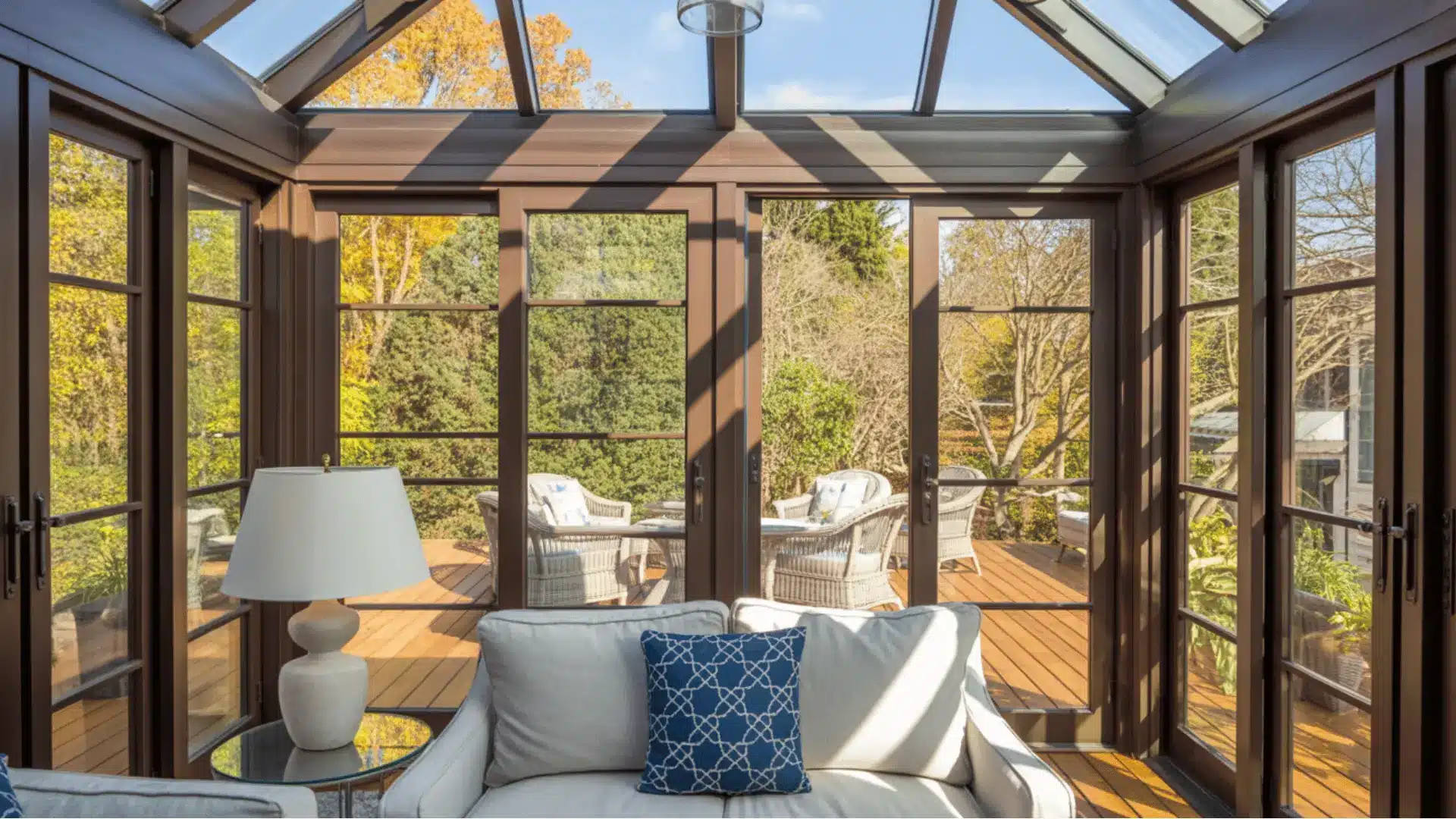
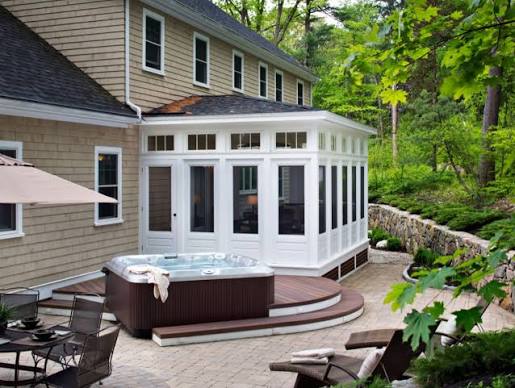
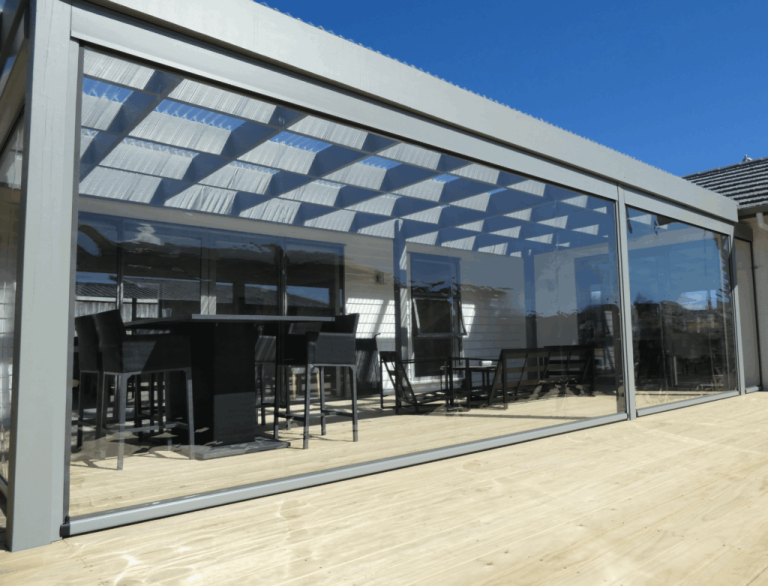
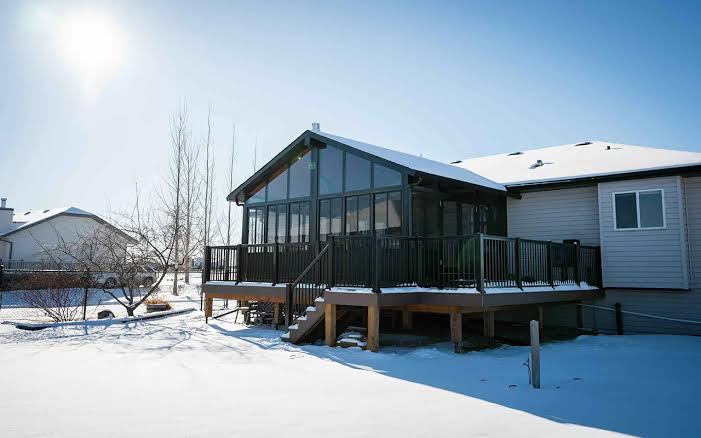
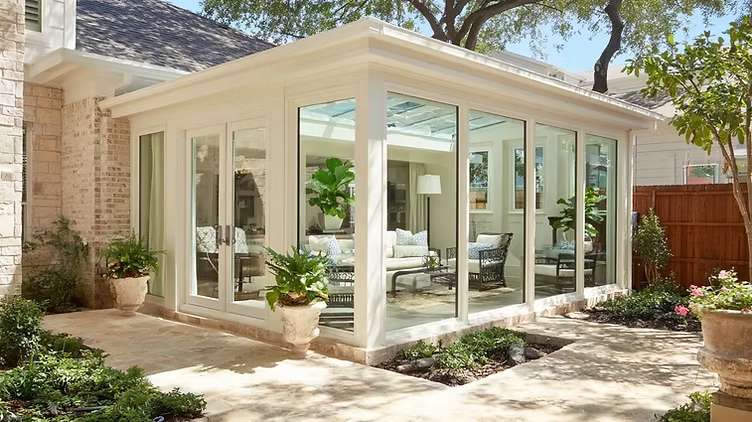
Understanding Is a sunroom addition worth the ROI in USA homes requires examining how residential real estate appraisers, buyers, and tax authorities calculate property value. In financial terms, return on investment (ROI) represents the percentage of initial construction costs recovered at the time of home resale. According to national real estate remodeling data, sunroom additions generally recoup between 45% and 75% of their initial construction costs upon resale. This places sunroom additions in a mid-tier cost-recovery category—typically lower than kitchen remodels or primary suite additions, but comparable to upscale deck builds and patio enclosures.
                 SUNROOM VALUATION & ROI CONTINUUM

      [ Three-Season Sunroom ]                  [ Four-Season Sunroom ]
   +---------------------------+             +---------------------------+
   | Unconditioned Space       |             | Fully Conditioned Living  |
   | Single / Double Glass     |             | Low-E Double/Triple Glass |
   | Non-GLA Appraised Space   |             | Counts Toward Official GLA|
   | Lower Upfront Cost        |             | Higher Upfront Capital    |
   | 45% – 60% Resale Recoup   |             | 55% – 75% Resale Recoup   |
   | $15,000 – $40,000 Total   |             | $35,000 – $90,000+ Total  |
   +---------------------------+             +---------------------------+
The financial return is largely dictated by how the space is classified under American National Standards Institute (ANSI) appraisal guidelines. To count toward a home’s official Gross Living Area (GLA)—the square footage used by appraisers to determine market value—a space must be fully conditioned (permanently heated and cooled), structurally continuous with the main home, and constructed with materials equivalent to the rest of the dwelling. Consequently, four-season sunrooms provide higher dollar-for-dollar value adjustments during appraisal than unconditioned three-season rooms, even though four-season additions require a significantly higher initial investment.
Structural Categories and Cost vs. Value Metrics
When assessing whether Is a sunroom addition worth the ROI in USA homes, property owners must distinguish between different construction methods, thermal performance levels, and capital investment tiers.
| Category / Type | Description | Common Use Case | Time / Cost / Effort Level |
| Enclosed Porch / Retrofit (3-Season) | Converting an existing covered deck or porch frame into a glass-enclosed space using single/double-pane windows. | Budget-conscious weather protection over an existing footprint. |
Recoup: 40% – 55% Cost: $8,000 – $25,000 Effort: Low-Moderate |
| Prefabricated Sunroom Kit (3-Season) | Factory-engineered aluminum or vinyl frame panels erected on a new concrete pad; unconditioned. | Seasonal dining, plant displays, and bug-free relaxation (spring to fall). |
Recoup: 45% – 60% Cost: $15,000 – $35,000 Effort: Moderate |
| Custom Stick-Built (3-Season) | Wood-framed structure matching main home siding with double-pane glass; no permanent HVAC. | Architectural aesthetic match without year-round heating expenses. |
Recoup: 50% – 62% Cost: $25,000 – $50,000 Effort: High |
| Prefabricated / System (4-Season) | Thermally broken frames with Low-E double glass, insulated roof panels, and mini-split HVAC. | Year-round home office or sun lounge with predictable thermal control. |
Recoup: 55% – 70% Cost: $35,000 – $65,000 Effort: High |
| Custom Stick-Built Addition (4-Season) | Full conventional addition with deep frost footings, drywall, insulation, and tied-in central ductwork. | Permanent expansion of primary living space counting toward official GLA. |
Recoup: 60% – 75% Cost: $45,000 – $100,000+ Effort: Very High |
How to Choose Between Categories
Choosing between these categories depends on climate zone, target holding period, and personal lifestyle needs. Homeowners in Sunbelt regions (such as Florida, Texas, or Arizona) can achieve high utility from three-season sunrooms or screen retrofits because winter freezes are brief. Conversely, homeowners in northern freeze-thaw climates (such as the Midwest or Northeast) require four-season, fully insulated construction to maintain usability during winter, making four-season additions the preferred option for protecting resale value in cold regions.
Practical Application Scenarios
Scenario 1: Suburban Sunbelt Home Conversion for Lifestyle Equity (180 sq. ft.)
-
Context: A homeowner in Georgia with an existing covered rear patio converts the space into a three-season sunroom to eliminate insects and humidity.
-
Component List:
-
Concrete slab inspection and moisture barrier sealant
-
Extruded aluminum wall tracking system with double-pane sliding glass panels
-
LVP (Luxury Vinyl Plank) waterproof flooring
-
Surface-mounted electrical outlets and ceiling fan
-
-
Relevance: Demonstrates a project where low initial capital outlay ($12,000 to $18,000) generates high lifestyle satisfaction, even though the unconditioned space does not add to official GLA square footage.
Scenario 2: Northern Suburban 4-Season Home Office Addition (240 sq. ft.)
-
Context: A homeowner in Ohio builds a custom four-season sunroom addition to create a year-round home office that enhances property appraisal value.
-
Component List:
-
Excavated concrete frost-wall foundation below local frost line
-
2×6 wood wall framing with R-21 insulation and R-38 roof insulation
-
Energy Star Low-E double-pane vinyl windows
-
Independent ductless mini-split heat pump system (12,000 BTU)
-
Finished drywall, electrical wiring, and hardwood subfloor
-
-
Relevance: Illustrates a project where full thermal compliance enables the space to be included in official appraised GLA, resulting in a 65% to 75% cost recovery upon home sale.
Scenario 3: Coastal Vacation Home Three-Season Glass Lounge (200 sq. ft.)
-
Context: A coastal residence in the Carolinas adding a three-season sunroom kit to maximize ocean views while protecting outdoor furniture from salt air.
-
Component List:
-
Helical screw pile footings engineered for coastal wind loads
-
Thermally broken aluminum frame panels with impact-resistant tempered glass
-
Composite deck flooring
-
Wall-mounted infrared space heaters for cool spring evenings
-
-
Relevance: Highlights how specialized coastal engineering and view preservation enhance buyer demand in resort markets, achieving strong marketability even without year-round HVAC integration.
                 SCENARIO APPRAISAL & SCOPE PROFILE

      Sunbelt Conversion (Scenario 1)       Northern 4-Season Addition (Scenario 2)
      +----------------------------+       +------------------------------------+
      | Low Capital Outlay         |       | Full Frost Wall Foundation         |
      | Unconditioned Space        |       | R-21/R-38 Thermal Insulation       |
      | Excluded from Official GLA |       | Included in Official Appraised GLA |
      | High Lifestyle Utility     |       | High Resale Recoup (65%–75%)       |
      | $12,000 – $18,000 Total    |       | $45,000 – $80,000 Total            |
      +----------------------------+       +------------------------------------+
Comparison of Scenarios
Scenario 1 focuses on cost minimization, delivering immediate lifestyle benefits while keeping financial risk low. Scenario 2 targets maximum equity recovery by building a fully compliant four-season space that expands official living area. Scenario 3 demonstrates that in leisure or coastal real estate markets, view enhancement and weather protection can generate strong buyer demand regardless of official GLA status.
Planning, Cost, or Resource Considerations
:max_bytes(150000):strip_icc()/sunroom-additions-vs-stick-built-additions-1821277-hero-99f876b4ac394a5db1057d35d4cdbd00.jpg)
Evaluating whether Is a sunroom addition worth the ROI in USA homes requires a comprehensive financial analysis that includes site excavation, framing, glazing specifications, electrical wiring, HVAC integration, permits, and property taxes. On average, trade labor represents 40% to 60% of total project expenditure.
        NATIONAL AVERAGE COST VS. RECOUPMENT RANGE (USA)

  Three-Season Sunroom (New Build)
  [Cost $15,000 - $35,000]  --->  Recoups $7,500 - $19,000 at Resale (50%-55%)

  Four-Season Sunroom (Full Addition)
  [Cost $35,000 - $80,000+] --->  Recoups $22,000 - $56,000 at Resale (60%-70%)
Sample Financial Planning Model (220 sq. ft. Addition, US National Averages)
| Category | Three-Season Build | Four-Season Build | Financial & ROI Explanation |
| Site Prep & Foundation | $2,000 – $4,500 | $5,500 – $12,000 | Simple slab vs. deep frost-line footings required for code compliance. |
| Framing & Insulation | $3,500 – $7,000 | $8,000 – $16,000 | Lightweight aluminum/vinyl vs. insulated 2×6 wood framing. |
| Windows & Glazing | $6,000 – $12,000 | $12,000 – $24,000 | Basic glass sliders vs. Low-E argon double/triple-pane units. |
| Electrical & HVAC | $1,200 – $2,500 | $3,500 – $8,000 | Outlets/fan vs. dedicated circuit, recessed lighting, and mini-split HVAC. |
| Interior Finish & Trim | $1,800 – $4,000 | $4,500 – $9,500 | Exterior siding/decking vs. drywall, baseboards, paint, and matched flooring. |
| Permits & Design Fees | $400 – $1,000 | $900 – $2,500 | Simple building permit vs. stamped engineering and energy calculations. |
| Total Estimated Build Cost | $14,900 – $31,000 | $34,400 – $72,000 | National average total installed cost estimates. |
| Estimated Resale Value Add | $7,450 – $17,000 | $22,360 – $50,400 | Estimated equity recovery based on 50% (3-Season) vs. 65% (4-Season) averages. |
Key Valuation Strategies and Material Systems
Maximizing financial return on a sunroom addition requires strategic choices regarding construction materials, location, and climate control options.
1. Energy Star Low-E Glazing Strategy
-
Description: Selecting double- or triple-pane window assemblies with Low-Emissivity (Low-E) coatings and argon gas fill.
-
Impact on ROI: Reduces summer solar heat gain and winter heat loss, lowering monthly utility bills and appealing to energy-conscious buyers.
-
Cost Factor: Adds 20% to 35% to raw window costs but substantially improves year-round usability.
2. Independent Ductless Mini-Split Heat Pumps
-
Description: Installing an independent, wall-mounted mini-split heat pump to condition four-season sunrooms.
-
Impact on ROI: Avoids overloading the home’s existing central HVAC furnace or air conditioner while satisfying appraiser requirements for permanently conditioned living area.
-
Cost Factor: Adds $2,500 to $4,500 in equipment and electrical installation expenses.
                 OFFICIAL GLA APPRAISAL REQUIREMENTS

     Non-Conditioned 3-Season Space          Conditioned 4-Season Space
   +--------------------------------+     +--------------------------------+
   | Unheated or Portable Heater    |     | Permanent HVAC / Mini-Split    |
   | Light Aluminum Wall Panels     |     | Continuous Thermal Envelope    |
   | Appraised as "Patio Enclosure" |     | Appraised as Official "GLA"    |
   | Recoups 45% – 55% at Resale    |     | Recoups 60% – 75% at Resale    |
   +--------------------------------+     +--------------------------------+
3. Matching Main Home Architectural Lines
-
Description: Designing the sunroom roofline, exterior siding, roof shingles, and window grids to mirror the existing primary home.
-
Impact on ROI: Eliminates the “tacked-on” appearance common with budget kits, creating cohesive curb appeal that buyers favor.
-
Cost Factor: Increases architectural and custom framing expenses by 15% to 25%.
Risks, Appraisal Pitfalls, and Financial Challenges
Improper planning, unpermitted work, or over-building relative to the local neighborhood can diminish financial returns.
+------------------------------------------------------------------------+
|                     RISK & FAILURE MITIGATION MATRIX                   |
+------------------------------------------------------------------------+
| ISSUE / RISK       | ROOT CAUSE               | PREVENTION & MITIGATION|
+--------------------+--------------------------+------------------------+
| Exclusion from     | Lacks permanent heating/ | Install mini-split     |
| Appraised GLA      | cooling or continuous    | HVAC and code-level    |
|                    | wall insulation.         | insulation [1.1.2, 1.1.4].|
+--------------------+--------------------------+------------------------+
| Over-Improvement   | Building a $90,000 room  | Cap construction costs |
| Capital Loss       | in a neighborhood where  | at 8%–12% of total home|
|                    | home values peak lower.  | market value [1.1.2].  |
+--------------------+--------------------------+------------------------+
| Unpermitted Build  | Skipping permits; space  | Secure municipal       |
| Sale Penalties     | flagged during buyer     | building permits and   |
|                    | home inspections.        | pass inspections [1.1.4].|
+--------------------+--------------------------+------------------------+
| Excessive Utility  | Installing clear glass   | Specify Low-E argon    |
| Operating Costs    | without solar tinting in | glass; install ceiling |
|                    | hot climates [1.1.2].    | fans/shades [1.1.2].   |
+------------------------------------------------------------------------+
Long-Term Maintenance and Management Protocols
Sustaining the structural integrity and aesthetic clarity of a sunroom protects its financial contribution to property value over time.
                   SUNROOM LIFECYCLE MANAGEMENT

  Initial Build     Bi-Annual Wash        Annual Inspection      Year 5 - 7
  [Permit Sign-Off]->[Glass & Track Wash]->[Check Sealants] ----> [Reseal / HVAC Service]
       |                 |                    |                      |
  Verify Insulation Clean Weep Holes      Inspect Window Seals   Service Mini-Split Unit
  & GLA Inclusion   & Track Drainage      for Fogging & Leaks    Re-caulk Exterior Joints
Recommended Maintenance Protocols
-
Seasonal Window and Track Cleaning (Bi-Annually): Wash glass panels using non-abrasive cleaners. Clear dirt, leaves, and debris from sliding track weep holes to ensure rainwater drains properly.
-
Caulk and Flashing Seal Verification (Annually): Inspect exterior caulking where the sunroom roof joins the main house siding. Re-apply polyurethane sealant every 3 to 5 years to prevent water intrusion.
-
Glass Seal Monitoring: Inspect double-pane window units for interior fogging or moisture accumulation, which signals a failed insulated glass unit (IGU) seal requiring glass unit replacement.
-
HVAC Filter Servicing: Clean or replace ductless mini-split filters every 1 to 3 months to maintain heating efficiency and protect indoor air quality.
Documentation, Tax Reporting, and Appraisal Tracking
Maintaining detailed records ensures that the cost of a sunroom addition is accurately recognized during tax assessments, home appraisals, and property insurance updates.
                 PROJECT DOCUMENTATION DOSSIER

  +-------------------------------------------------------------+
  |  1. Detailed Itemized Builder Contract & Invoices           |
  |  2. Approved Municipal Permits & Inspection Sign-Off Cards  |
  |  3. Architectural Framing Plans & Engineering Stamps        |
  |  4. Window NFRC Energy Ratings & Warranty Certificates      |
  |  5. HVAC Specifications Proving Permanent Conditioning      |
  +-------------------------------------------------------------+
Practical Documentation Examples
Example 1: Real Estate Appraisal Verification
A homeowner constructs a 250 sq. ft. four-season sunroom featuring energy-efficient Low-E glass, continuous insulation, and mini-split heat pump integration. They compile building permits, contractor tax invoices, and HVAC installation certificates into a digital home dossier. When selling the property, the appraiser reviews these documents and includes the 250 square feet in the home’s official Gross Living Area, increasing the appraised market value accordingly.
Example 2: Capital Improvement Tax Adjustment
When selling a home, capital gains tax liability depends on the home’s cost basis. A homeowner retains all tax invoices and contracts ($55,000) for a four-season sunroom addition. Adding this capital improvement cost to the original purchase price increases the home’s tax basis, legally reducing taxable capital gains upon resale.
Closing Summary
Evaluating Is a sunroom addition worth the ROI in USA homes involves balancing financial cost-recovery metrics against long-term lifestyle enjoyment. While sunrooms generally recoup 45% to 75% of their initial construction costs at resale, four-season additions deliver higher equity recovery (60% to 75%) than unconditioned three-season rooms (45% to 60%) because four-season spaces count toward official appraised Gross Living Area. By capping build budgets at 8% to 12% of total home market value, selecting Energy Star Low-E glass, ensuring permanent HVAC integration, and obtaining municipal building permits, property owners create a light-filled living space that protects equity.
Frequently Asked Questions (FAQ)
What is the average ROI for a sunroom addition in the USA?
On average, sunroom additions recoup between 45% and 75% of their initial construction costs upon resale. Four-season sunrooms yield higher financial returns (60% to 75%) than three-season rooms (45% to 60%) because four-season rooms count toward a home’s official appraised Gross Living Area (GLA).
Does a three-season sunroom count as square footage during an appraisal?
No. Under standard ANSI appraisal guidelines, a three-season sunroom does not count toward a home’s official Gross Living Area (GLA) because it lacks permanent heating/cooling integration and continuous thermal envelope insulation. Appraisers evaluate three-season rooms as “patio enclosures” or finished accessory space.
How much should a homeowner spend on a sunroom relative to home value?
Real estate advisors generally recommend capping a sunroom addition budget at 8% to 12% of the home’s overall market value. Spending beyond this threshold increases the risk of over-improving the property relative to the surrounding neighborhood, which can lower percentage ROI at resale.